Protocol Archives • Browse all History titles in HD
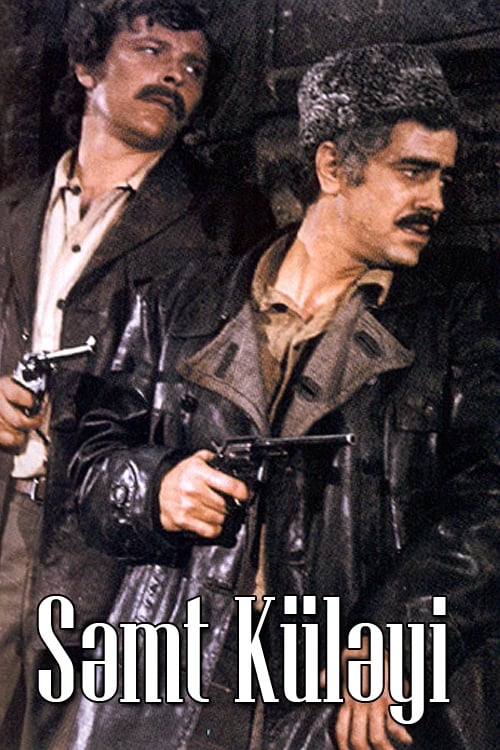
Jan Vacek, a revolutionary of Czech origin, organizes the retreat of communist troops in Baku after the Bolshevik Revolution, following the fall of the local commune...

A fantastic film depicting the exploits of the Black Whirlwind knight, Li Kwai: the legendary double axe fighter from the Water Margin.

A documentary short featuring quotes from Argentine national heroes set against footage from Leonardo Favio's films.
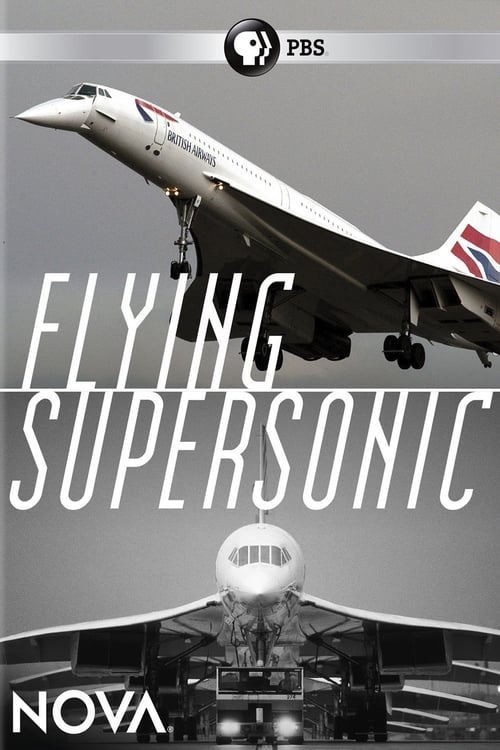
Thundering across the sky on elegant white wings, the Concorde was an instant legend. But behind the glamour of jet setting at Mach 2 were stunning scientific innovations and political intrigue. Fifteen years after Concorde's final flight, this documentary takes you inside the historic international race to develop the first supersonic airliner. Hear stories from those inside the choreographed effort to design and build Concorde in two countries at once - and the crew members who flew her.

Centered on true events when Cuban revolution leader Fidel Castro visited New York City and stayed in Harlem in 1960.

In the early 1830s Texas was about to explode. Although ruled by Mexico, the region was home to more than 20,000 U.S. settlers agitated by what they saw as restrictive Mexican policies. Mexican officials, concerned with illegal trading and immigration, were prepared to fight hard to keep the province under their control. Caught in the middle were the area's 4,000 Mexican Texans or Tejanos. With war on the horizon, the Tejanos had to pick a side. Many chose to fight with their Anglo neighbors against an army sent by Mexico City. The conflict pitted brother against brother and devastated the community. The Tejano gamble for a more prosperous future in an independent Texas proved tragic. Following the revolution, the Tejanos were overwhelmed by a surge of Anglo immigration -- leaving them foreigners in a land they had fought to defend.

Three decades after the nuclear explosion, almost everything has been said about this ecological and sanitary disaster that made Pripiat a part of History. How did the greatest industrial disaster change the course of History, disrupt global geopolitics and, directly or indirectly, redistribute the balances and power relations of the twentieth century? The world will never be the same again. By retracing the incredible battle waged by the Soviet Union against radiation, this film proposes to retrace and enlighten an extraordinary story, while exploring the historical stakes in the medium and long-term…
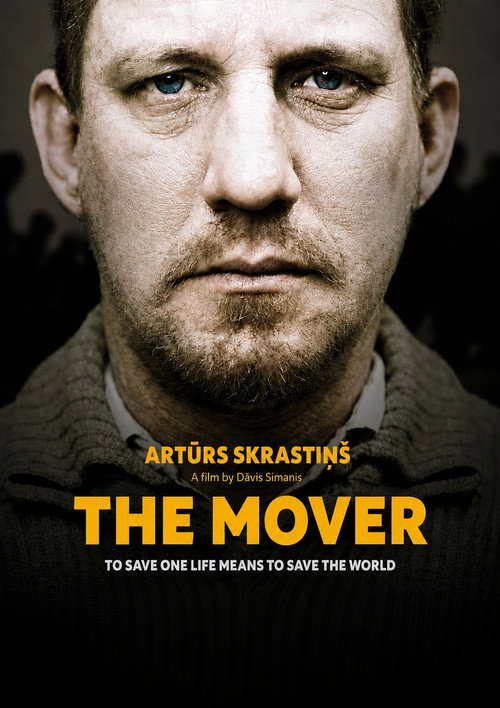
Žanis Lipke, an ordinary blue-collar worker in Latvia, embarks on a covert operation. Despite his family’s hardship under successive Soviet and German occupations, Lipke tries to save local Jews from Nazi persecution and certain death, moving them from the Riga ghetto to an underground bunker hidden on his property.
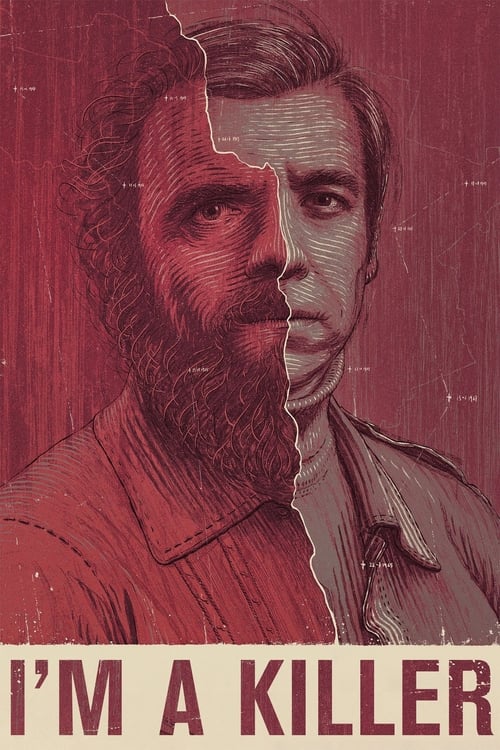
Inspired by true events from the 1970s, the story revolves around a young detective who becomes the head of a police unit focused on catching a rampant serial killer of women, nicknamed 'The Silesian Vampire'.
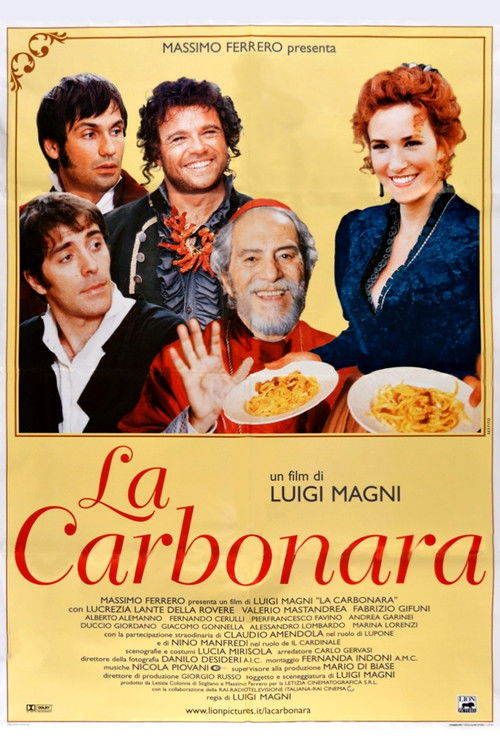
Cecilia is a commoner who runs an inn, where the specialty is the "spaghetti alla carbonara". Moreover, the woman is tied to the movement of young patriots, named "Carbonari", who want a united Italy, and are struggling against the power of the pope. Cecilia believes she lost her husband in a fatal accident, and has made a new lover: Fabrizio, who is also a patriot. One day the guy's saved by a monk, when he is about to be imprisoned by the soldiers of Cardinal Rivarola. The monk is the husband of Cecilia, not dead in the accident, and now he helps her to fight against the power of Rome with the Carbonari.
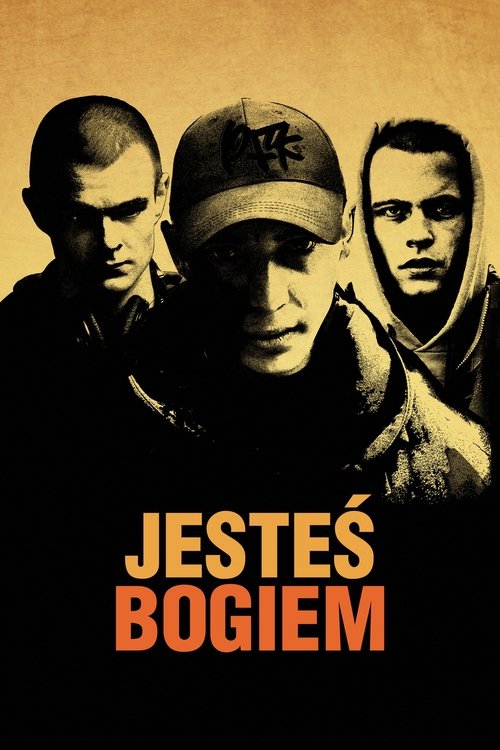
The story of the late 90s generation and the three friends behind the music: Magik, Fokus and Rahim. The fact-based film charts the relentless struggle for success of Paktofonika, against the backdrop of crumbling traditional values in dreary 90s Silesia.
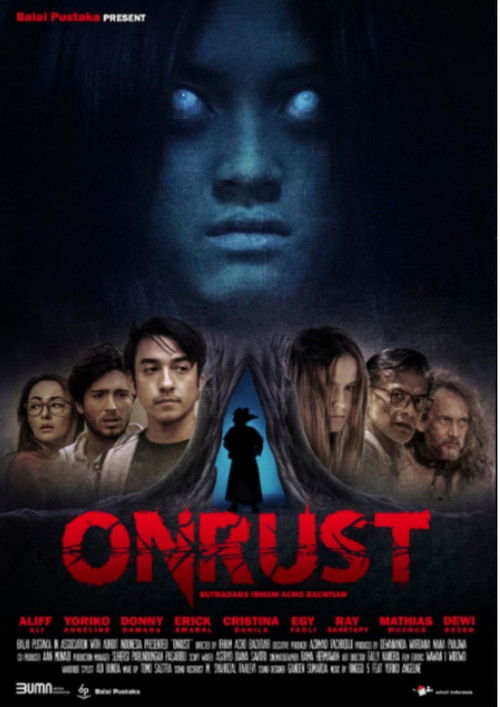
On a trip to the island of Onrust, Bramanto Putra discovered an ancient diary while idly looking for historical objects. It belonged to the lover of Maria Van De Velde, who disappeared under mysterious circumstances. Bram and another archeology student named Susan decide to do some research on the owner of the diary, leading to fatal consequences as they accidentally unleash a dark spell upon the island.

The series follows Cyril and Methodius, two Byzantine Greek brothers born in the 9th century. They became missionaries of Christianity and influenced the cultural development of the Great Moravian territory.
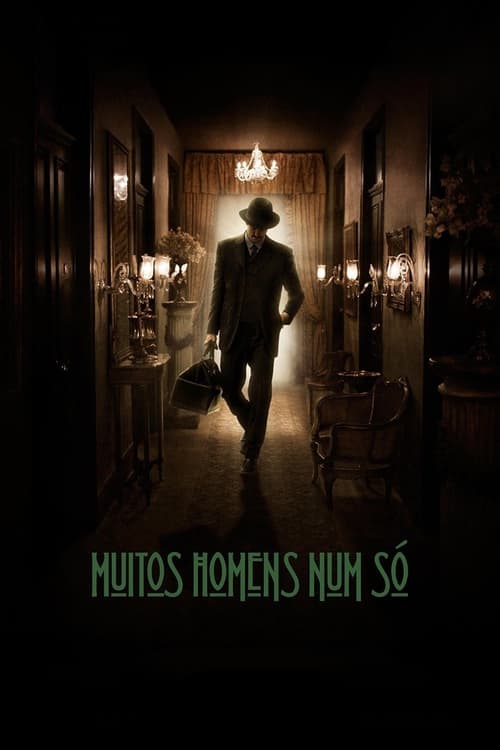
A pickpocket assumes various identities to steal from the aristocracy in early-20th-century Rio de Janeiro.
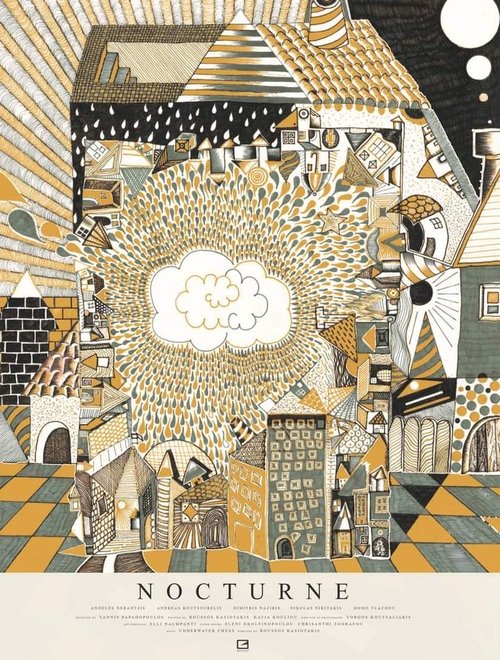
When the taps of a remote town stop running, its inhabitants seek salvation in the repetition of an informal sacrifice.
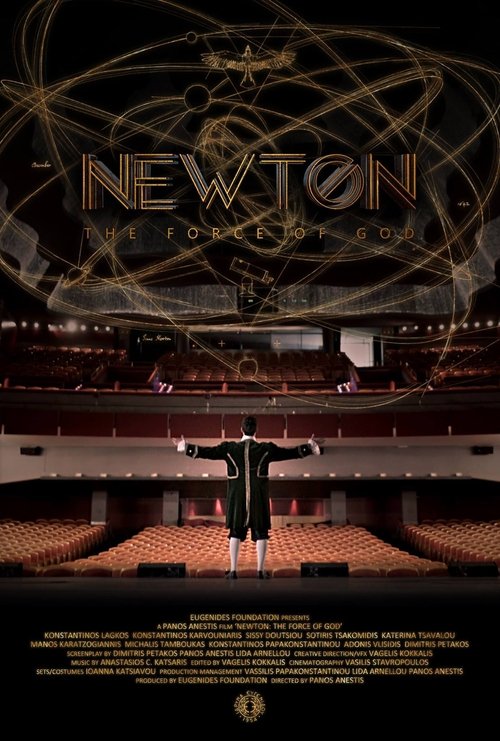
In 1642, amidst the flames of English civil war, Isaac Newton was born. He was the one who would unite Heavens and Earth. A natural philosopher, mathematician, theologian and alchemist, with inexhaustible patience and persistence, Newton was seeking throughout his entire life how God's Design was imprinted in nature. Forged in a hard childhood, defiant and unbowed, confrontational and loner, an endless source of inspiration and creativity, Newton sealed with his work the entire 18th century. The political and social conflicts of the time, Royal Society's establishment, constant changes in political power and the complexities of Newton's personality offer a complete picture of the conditions that led to the emersion of his work.
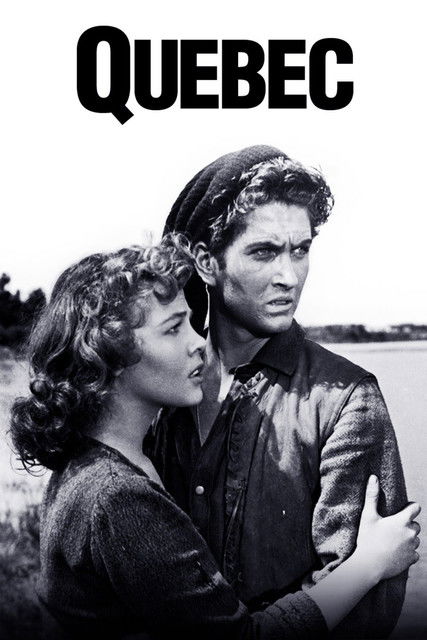
Story of a revolt against England in 1830s Canada.
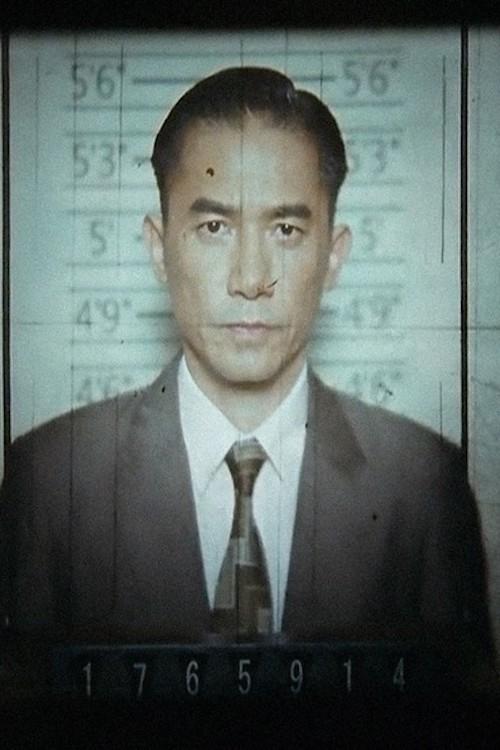
The Nameless revolves around the story of a man named Lai Teck, one of the 50 known aliases of the Secretary-General of the Malayan Communist party from 1939 to 1949. Lai Teck's real name and background have never been confirmed, but evidence suggests that he was born in Vietnam to a Chinese mother and served as a spy to both the French and British. Piecing together found footage from several Hong Kong films starring actor Tony Leung Chiu-wai, The Nameless acts as a fragmentary portrait of Lai Teck, the film star's likeness standing in for the ambiguous political figure. Ominous and shadowy, the film features Leung (as Lai) in times of distress and introspection, interspersed with repeated motifs of smoke, water, torture and death.