Protocol Archives • Browse all History titles in HD

Mexico, early 70s. Gonzalo and Fabiola are a young couple caught between love and disillusionment. As she chases her dream of becoming an artist in a country boiling with unrest, he clings to fear and routine. After their farewell, Fabiola disappears during the Halconazo protests. Since then, Gonzalo is haunted by guilt—and by the demons inside his own mind.
1828. After witnessing the brutal repression of revolutions in monarchist South, three young friends join Giuseppe Mazzini's patriotic cause, seeking to finally unify Italy under a republican government. Their idealism will clash with the inevitable disillusionment as they grow apart over the following decades.


An animated telling of Kobe Bryant's titular poem, signaling his retirement from the sport that made his name.
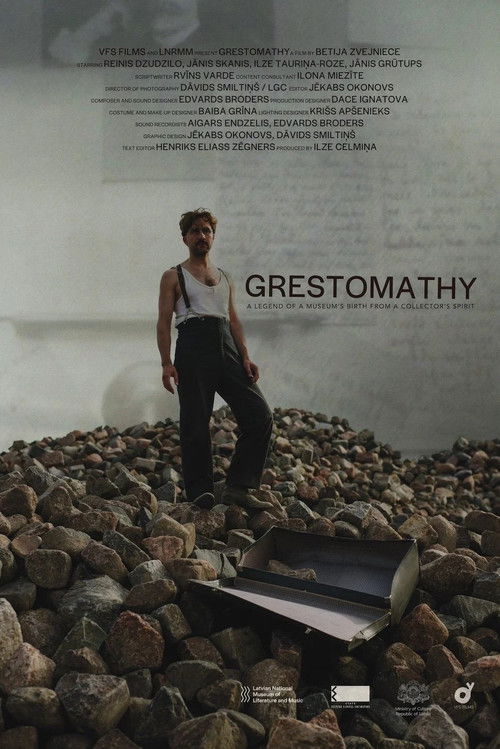
Jānis Greste collected various objects throughout his life and hoped that they would be useful for education in the future. His energy was harder than a rock. A hundred years ago, he created the the beginning of the modern Latvian National Museum of Literature. That is why even today we can see a piece of soap that Emīls Dārziņš used to wash himself with, or a board on which Rainis wrote.

Parisian authorities clash with the Front de Libération Nationale (FLN) in director Alain Tasma’s recounting of one of the darkest moments of the Algerian War of Independence. As the war wound to a close and violence persisted in the streets of Paris, the FLN and its supporters adopted the tactic of murdering French policemen in hopes of forcing a withdrawal. When French law enforcement retaliated by brutalizing Algerians and imposing a strict curfew, the FLN organizes a peaceful demonstration that drew over 11,000 supporters, resulting in an order from the Paris police chief to take brutal countermeasures. Told through the eyes of both French policemen as well as Algerian protestors, Tasma’s film attempts to get to the root of the tragedy by presenting both sides of the story.
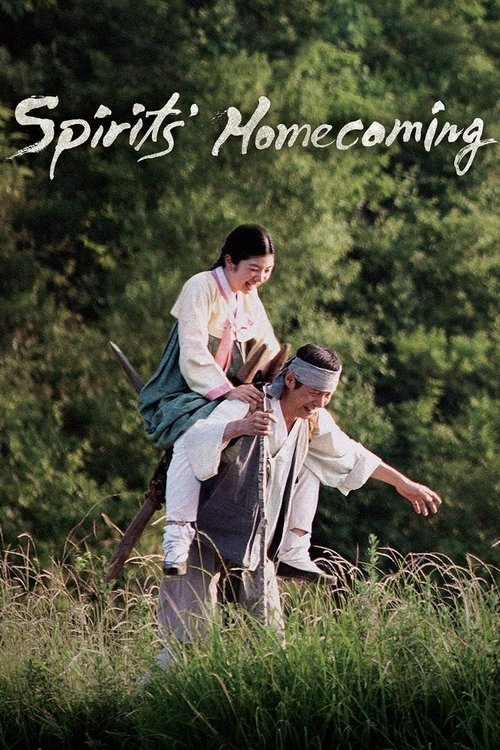
After the Japanese kidnap two Korean teenagers and take them to a comfort station to join other girls who are serving as sex slaves, only one of them survives. Decades later, the elderly woman tries to reunite with her friend's spirit.
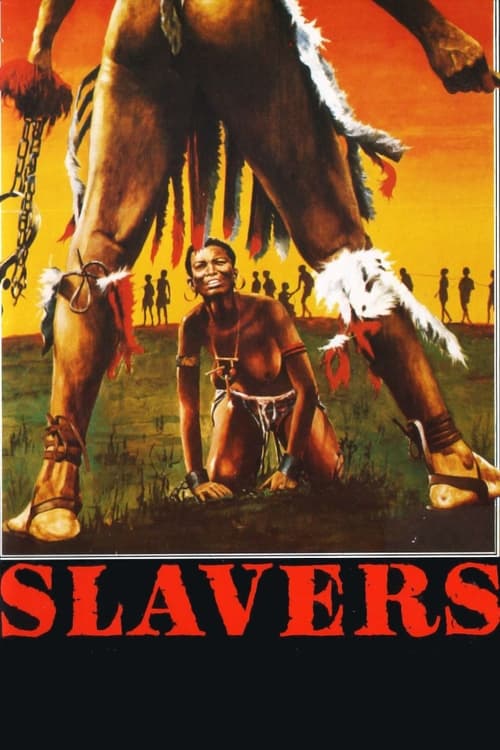
A story about slave hunting, colonialism, revenge and love.
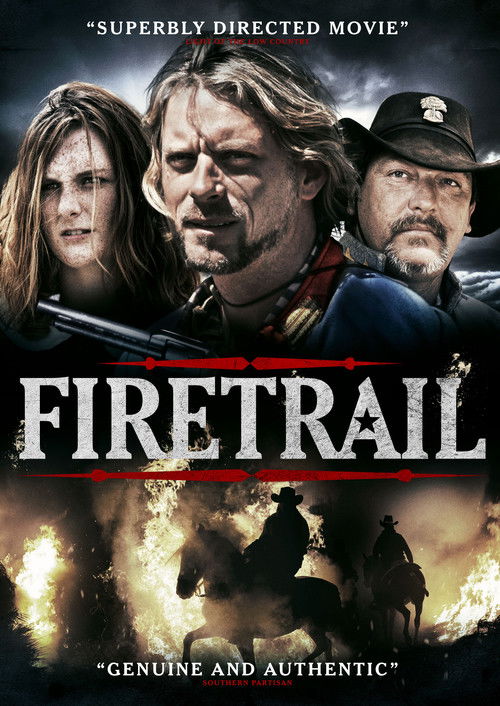
A Confederate Civil War captain faces challenges as the Union army storms through South Carolina, destroying everything in its path. When he is sent to the front lines his home life suffers, which only compounds the soldier's troubles.
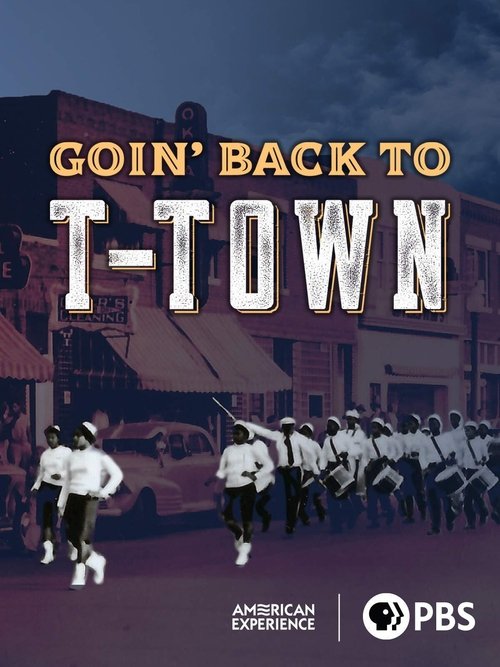
Goin’ Back to T-Town tells the story of Greenwood, an extraordinary Black community in Tulsa, Oklahoma, that prospered during the 1920s and 30s despite rampant and hostile segregation. Torn apart in 1921 by one of the worst racially-motivated massacres in the nation’s history, the neighborhood rose from the ashes, and by 1936 boasted the largest concentration of Black-owned businesses in the U.S., known as “Black Wall Street.” Ironically, it could not survive the progressive policies of integration and urban renewal of the 1960s. Told through the memories of those who lived through the events, the film is a bittersweet celebration of small-town life and the resilience of a community’s spirit.
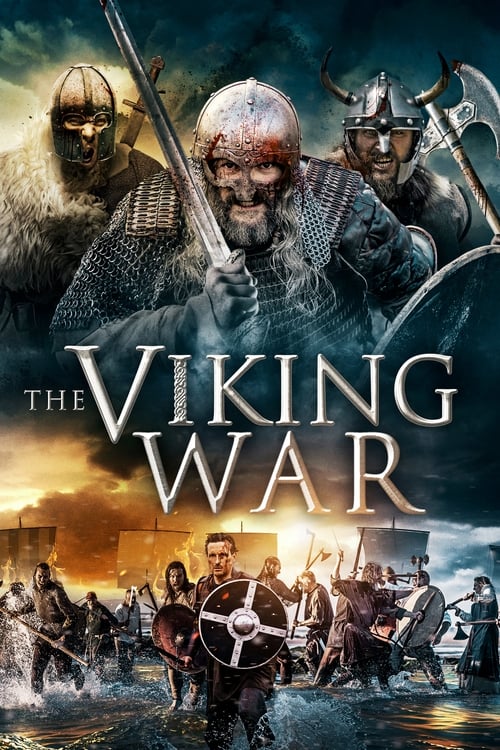
Ingrid and her siblings are on the run from the Beserkers who have begun invading the villages, taking over, savagely using the residents on a game where they vs a Beserker, and if they win, they get to survive - only, no one ever wins. The siblings are trying to escape the Beserkers after they violently murdered and took over their town. However, the Beserkers are on their trail, and want to put them in the game.

I don’t choose any means to … The masturbation path of women of all eras! I’ll tell you everything you don’t know! Told as a lascivious story of a rakugo artist, all about masturbation, learning while cohooning!

Inspired by the audacious true story of the American government’s plot to steal a Soviet spacecraft during a 1959 exposition in Mexico City.
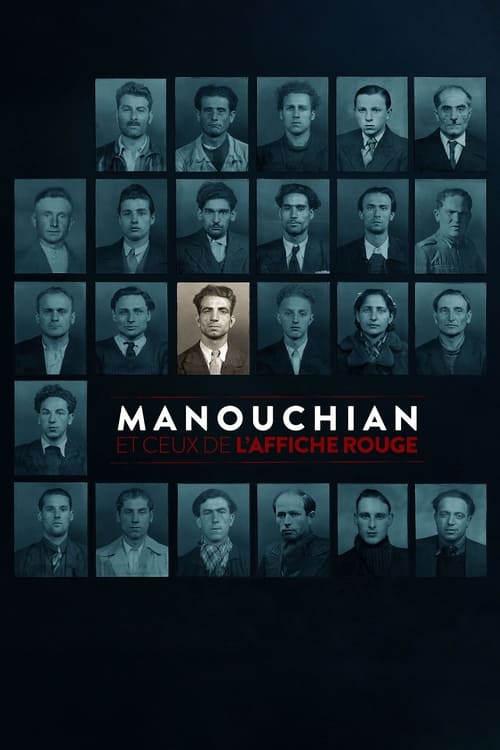
In February 1944, in a courtyard at Fresnes Prison, the Germans staged a spectacle to stigmatize a group of communist resistance fighters—all foreigners and mostly Jewish—who had been arrested a few weeks earlier. The propaganda aimed to discredit these fighters, portraying them as terrorists and criminals, even though they had managed to carry out numerous attacks against the occupiers in Paris. The red poster, plastered in thousands of copies across the country, would immortalize them in legend. They were subsequently executed at Mont-Valérien, near Paris. Missak Manouchian, the Armenian who led these fighters, now embodies this group in the collective memory as he is enshrined in the Panthéon, on behalf of all his comrades, 80 years after their execution.

In the year 1716 a mysterious epidemic stickens men in the country of Japan, dropping the population of men to 1/4th of its prior state. With the drastic reduction of men, the gender roles have become reversed in Japan. Woman become the dominant members of society and males are sought out for the ability to produce children. A young man named Unoshin Mizuno hopes to marry childhood sweetheart Onobu, but due to class differences realizes this is almost impossible. To raise his social status and also save his poor family, Unoshin Mizuno enters the Ohoku (inner chambers of the Shugun's castle) and attempts to vie among 3,000 other men for the affection of the female shogun. What Unoshin Mizuno quickly learns about the Ohoku is that the men there are all beautiful, but highly ambitious and conniving. In this environment, the 7th shogun Tokugawa passes away and the new shogun Yoshimune Tokugawa takes the thrown and enters the Ohoku.

The true life story of the rise to power of Glasgow gangster Paul Ferris.

In 1937, near the border between the Dominican Republic and Haiti, a young Haitian woman named Marie is expecting her first child with Frank, her doting Dominican husband. After her mother's burial, she is awakened in the middle of the night by distant screams. The immediate execution of all Haitians on Dominican soil has been ordered — the so-called “Cut” — and what seals a victim’s fate is whether or not they can pronounce "perejil" (parsley). Marie takes off to find Frank in the next town over, with nothing but the clothes on her back.
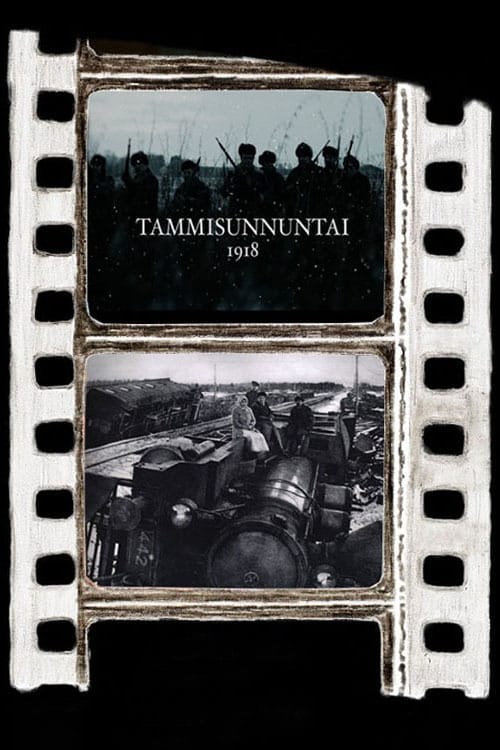
Dramatized documentary of the early hours of Finland's Civil War in January 1918.