Protocol Archives • Browse all History titles in HD
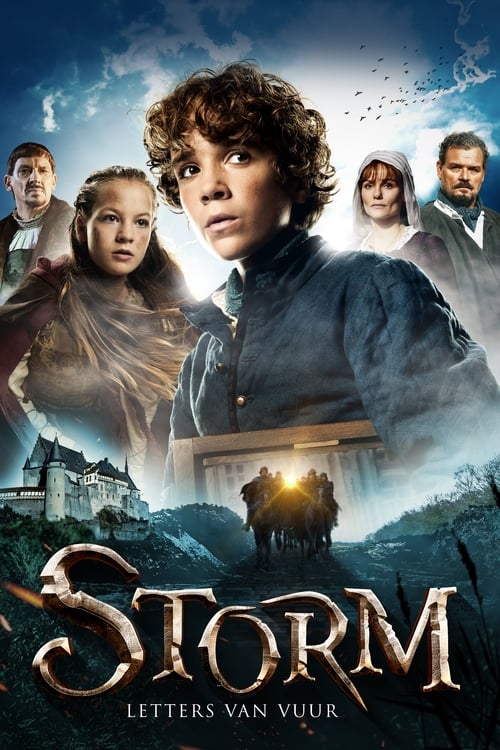
The film is set in 1521 Antwerp, in a Europe ravaged by religious wars, and during the early years of the Reformation. It tells the story of the twelve year old, Falko Voeten – a printer’s son. When Falko’s father, Klaas Voeten, a printer of forbidden literature, is caught by the Inquisition for printing a letter written by Maarten Luther; Falko is unwittingly propelled into helping his father and into searching for the letter. Threatened by the Inquisition but aided by Marieke, a Catholic orphan girl from the underground sewers, Falko is faced with a race against time if he is to save his father from being executed for heresy.
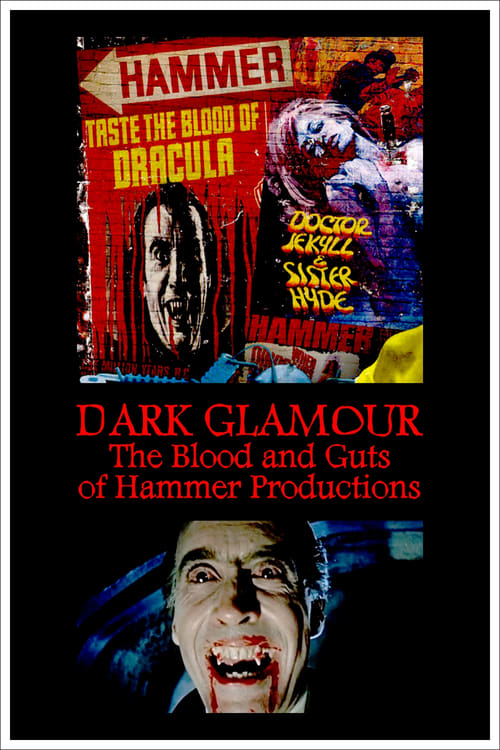
The greatness, fall and renaissance of Hammer, the flagship company of British popular cinema, mainly from 1955 to 1968. Tortured women and sadistic monsters populated oppressive scenarios in provocative productions that shocked censorship and disgusted critics but fascinated the public. Movies in which horror was shown in offensive colors: dreadful stories, told without prejudices, that offered fear, blood, sex and stunning performances.
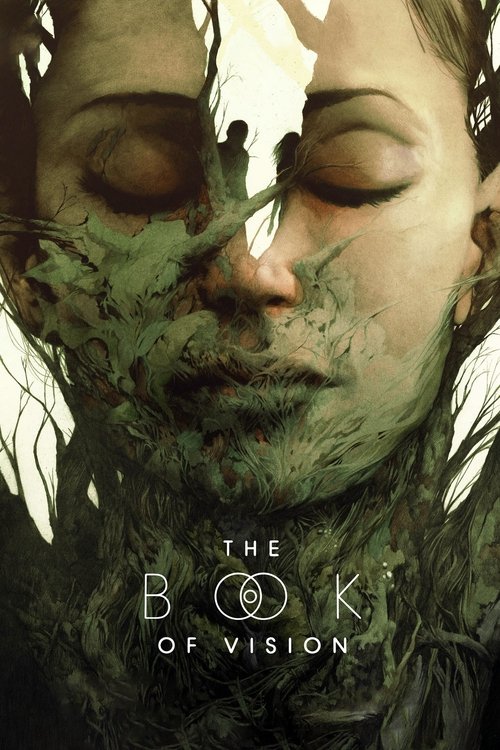
Eva, a mysterious doctor, searches for an answer to her urgent dilemma as she unravels Dr. Anmuth's Book of Vision. Henry gets involved in her life and is forced to confront his own nature, as Eva faces the biggest decision of her life.
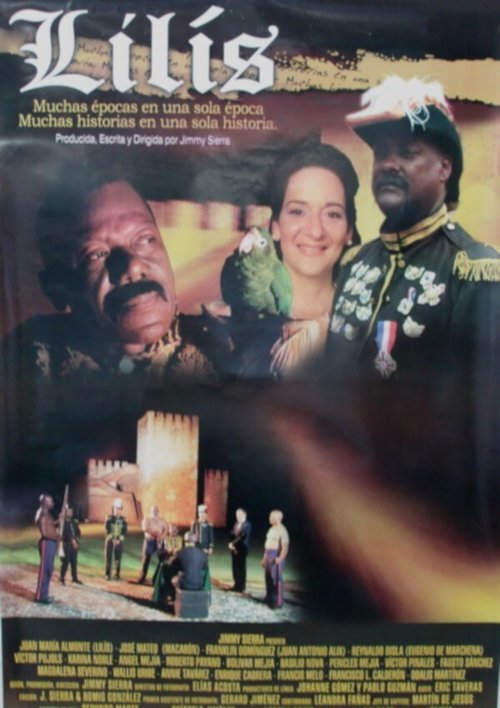
The story of 19th-century Dominican dictator, Ulises Heureaux, from the start of his presidency in 1882 until his assassination in 1899.
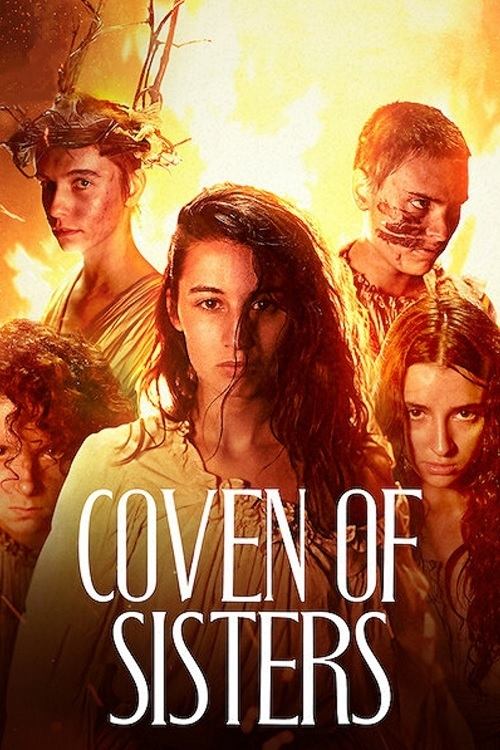
French Basque Country, year 1609. The men of a small fishing village have gone to sea. Judge Rostegui, who has been charged by the king with ridding the country of the devil's wiles, arrests Ana and her friends and accuses them of witchcraft.
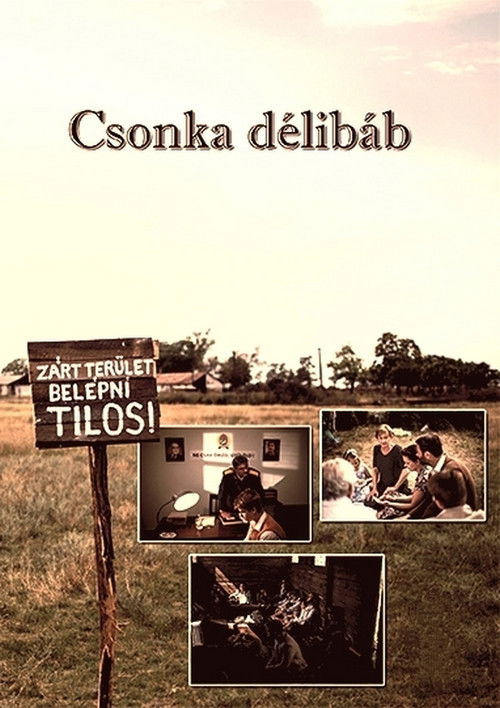
One of the darkest chapters of the communist dictatorship of the 1950s was the Hortobágy labour camps, where thousands of people were deported without any trial, mostly families living on the western and southern borders. The complex of institutions, which was established in the farmland of the lowlands in strict secrecy, existed until 1953, but even after that it was not openly discussed. The film is based on real documents and recollections, which make the story real and true to life, told from the point of view of the thirteen-year-old son of a displaced family. Andris's family is summoned one morning by the ÁVH. An evacuation order has been issued and the whole family must leave their home. They are given an hour to pack their 50 kg of personal belongings, and the wagons are already on their way to the unknown, to Hortobágy, where they will be sent to a large camp.
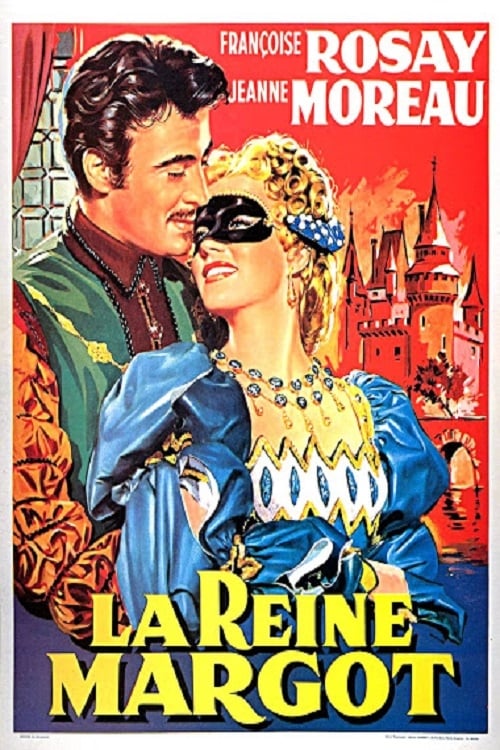
Marguerite de Valois, daughter of Catherine de Médicis, celebrates her wedding with Henri de Navarre. Officially, it's a rapprochement between the League and the Huguenots. In fact, it was an opportunity to bring all the Huguenots to Paris and kill them all at once. King Charles IX fails in his attempt on Coligny's life. Queen Margot tries to save her husband from the St. Bartholomew's Day massacre by preventing the annulment of his marriage, forcing Henri to share her bed. Two knights from opposing camps are wounded and, saved în extremis, are hidden together by the queen and her cousin. Margot falls in love with one of them, but has to run to warn her husband of a new attack...
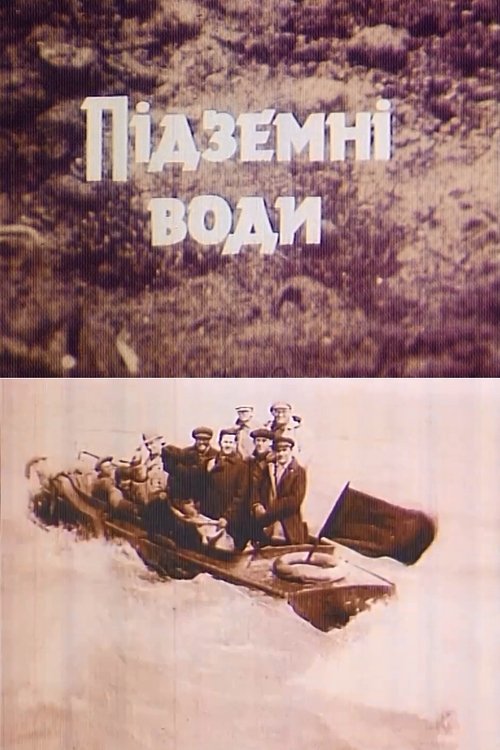
The film revealed the bitter truth about the Ukrainian nation, which in Soviet times was deprived of the right to live near the eternal river - Dnipro, forcibly resettled from native houses in order to flood them with artificial seas and canals. It was the first film before the collapse of the Soviet Union and Ukraine's independence that openly talked about the genocide of the Ukrainian people.

On a college campus in modern America, ideas that have long been neglected as "issues of the past" emerge as racial tensions and frictions grow between different student groups.

Filmmakers investigate 2001 anthrax attacks and uncover a nightmare world.
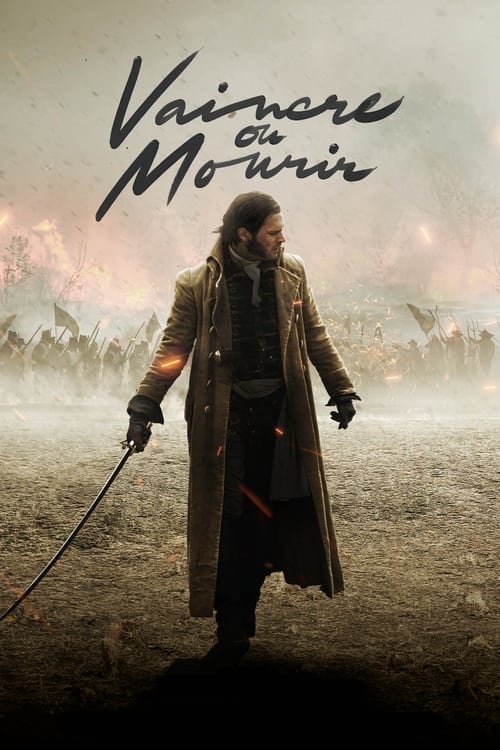
1793, French Revolution. For three years now, Charette, a young man retired from the Royal Navy, has been back home. In the country, the anger of the peasants rumbles: they call on the young retiree to take command of the rebellion. In a few months, the idle sailor becomes a charismatic leader and a shrewd strategist, bringing in his wake peasants, deserters, women, old people and children, of which he makes a formidable army. The fight for freedom has only just begun.
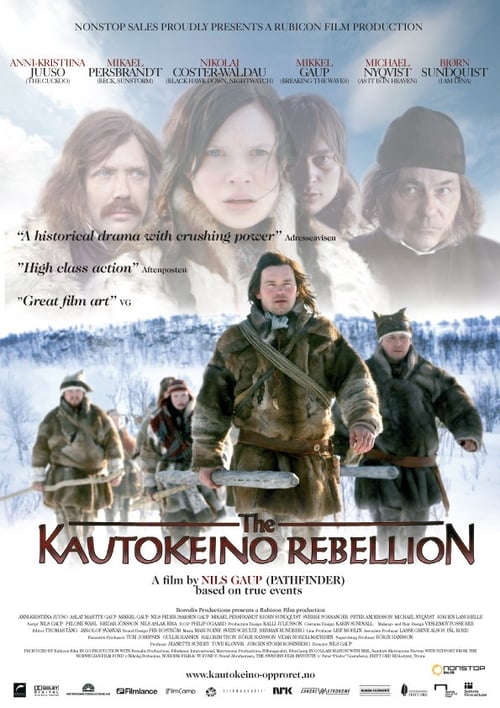
Religious and cultural reawakening inspires rebellion in a 19th century Norwegian village.
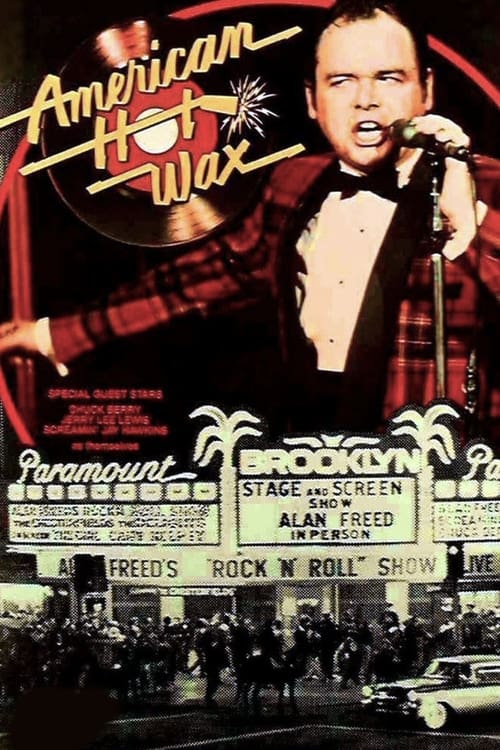
This is the story loosely based on Cleveland disc jockey Alan Freed, who introduced rock'n'roll to teenage American radio audiences in the 1950s. Freed was a source of great controversy: criticized by conservatives for corrupting youth with the "devil's music"; hated by racists for promoting African American music for white consumption; persecuted by law enforcement officials and finally brought down by the "payola" scandals.
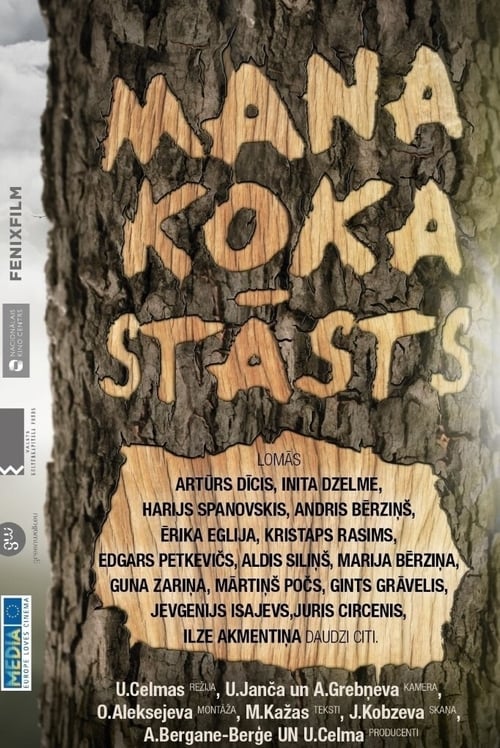
A unique, engaging film that combines documentary footage with narrative cinema to tell the story of four generations of a Latvian family. Sixteen year-old student Jānis has been given an interesting homework assignment – to draw his family tree and explain it. The story of his family begins with his great-great-grandfather who burned down the manors of German landowners during the 1905 revolution. My Family Tree takes us on a journey to various countries and political regimes, showing Jānis’ ancestors to be people of diverse fates and life stories. A rich Latvian trader, a red rifleman loyal to Lenin, a carpenter with the KGB and war refugees in Sweden are only a few branches on his family tree, and the boy has heard something unusual and unforgettable about each and every one of these people.
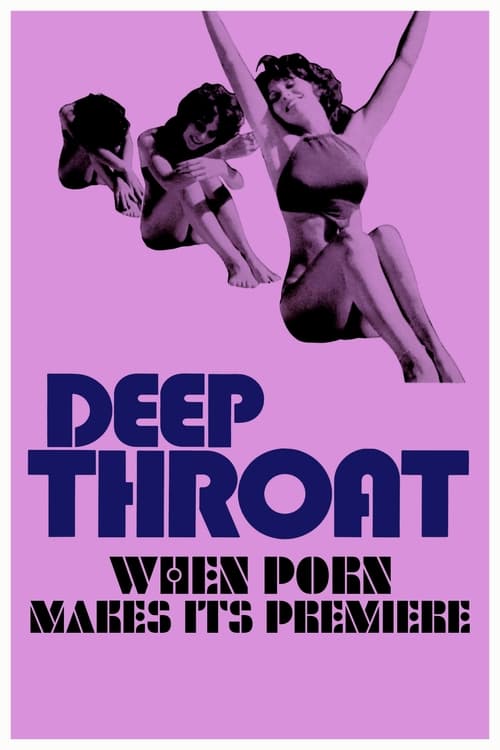
Deep Throat, a pornographic film directed by Gerard Damiano, a film-loving hairdresser, and starring Linda Lovelace, a shy girl manipulated by a controlling husband, was released in 1972 and divided audiences, who began to talk openly about sex, desire and female pleasure; but also about violence and abuse; and about pornography, until then an almost clandestine industry, as a revolutionary cultural phenomenon.
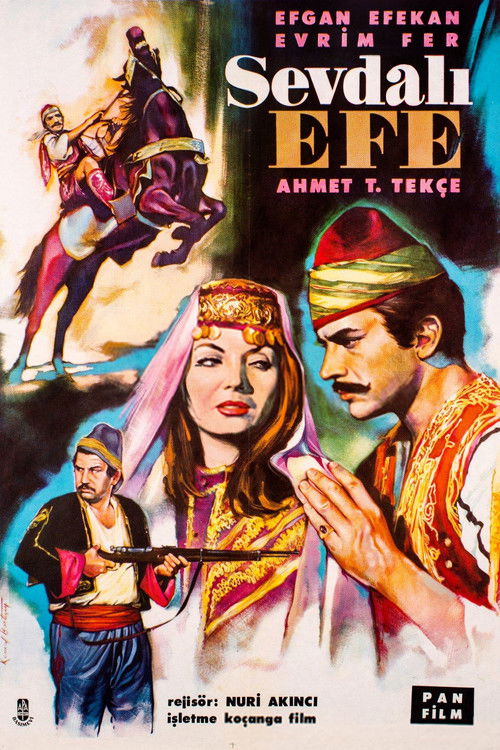

The bold young Prince of Spain, Don Carlos, has always caused jealousy at the court of King Philip II. Now even the Grand Inquisitor is out to get him.
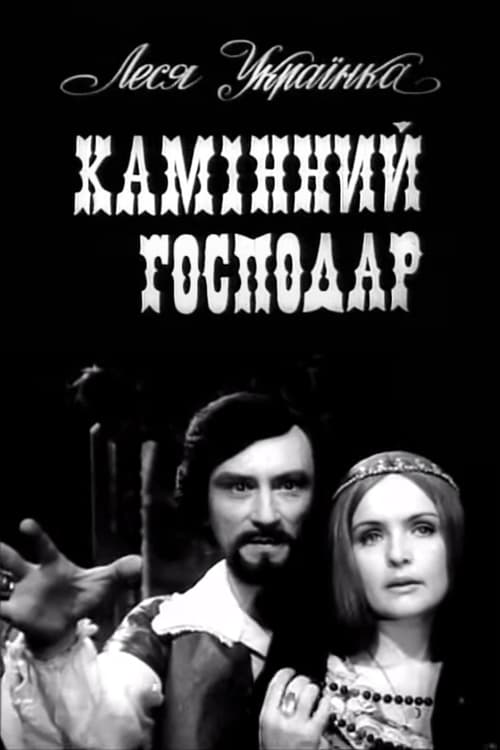
TV adaptation of Lesya Ukrainka's drama, which interprets the plot of Don Juan from a feminist point of view.
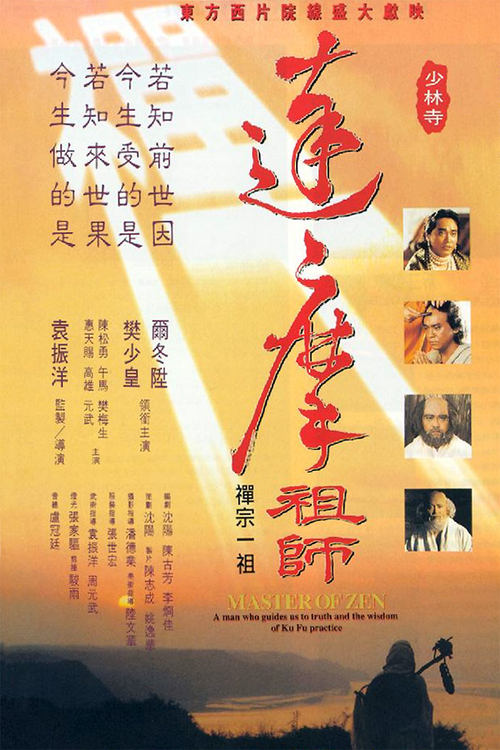
Set in the first century in India, a prince is troubled by visions and a desire to master the ways of Buddha. After his father dies, he forsakes the throne to become a monk and, after studying Buddhism for sixty years, travels to China to preach Zen and teaches the Shaolin monks the exercises that become the foundation of
Live action story that reaches straight to the heart of deaf audiences, along with the visually compelling, animated telling of the life of Jesus. Using a deaf cast, the movie is sure to engage and touch the hearts of many.