Protocol Archives • Browse all History titles in HD
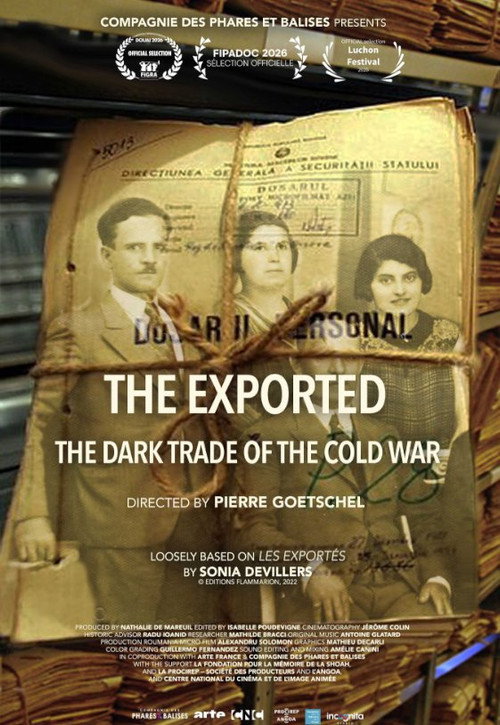
For 30 years, communist Romania was obsessed with obtaining foreign currency. It even went so far as to organize large-scale human trafficking, trading permission for thousands of persecuted Jews to leave the country in exchange for high-quality livestock fattened in Romania and then sold abroad.

Half-timbered houses, storks, wine, sauerkraut, traditional headdresses, the Alsatian accent: these images and clichés of Alsace occupy the imagination of almost all French people. Few other regions can boast such a charming and popular heritage. But behind this apparent prosperity and love of a job well done lies a more painful history. Ravaged by three wars in less than a century, Alsace saw its inhabitants forced to change nationality four times during a single lifetime. A tormented, extraordinary destiny, little known to the rest of the country.
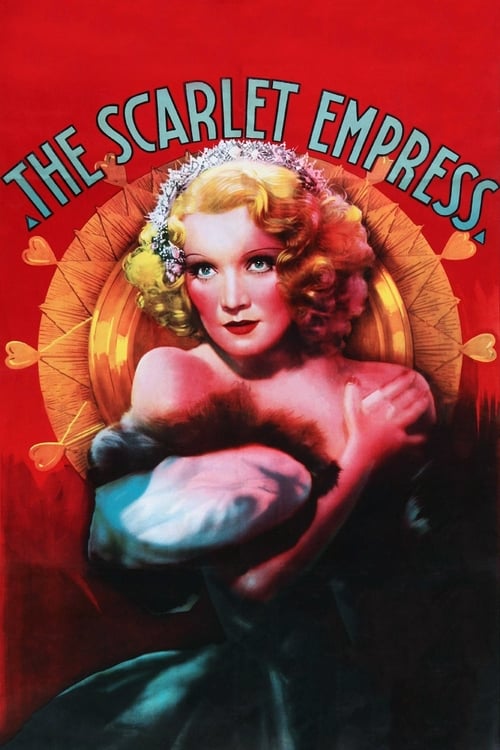
During the 18th century, German noblewoman Sophia Frederica, who would later become Catherine the Great, travels to Moscow to marry the dimwitted Grand Duke Peter, the heir to the Russian throne. Their arranged marriage proves to be loveless, and Catherine takes many lovers, including the handsome Count Alexei, and bears a son. When the unstable Peter eventually ascends to the throne, Catherine plots to oust him from power.
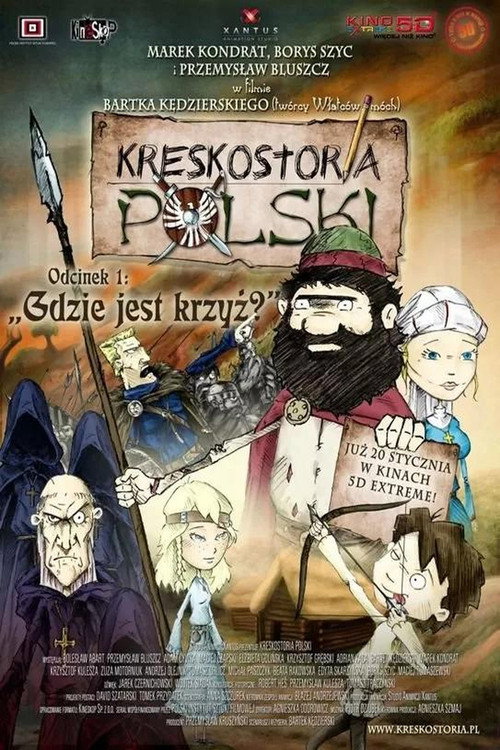
Kreskostoria Polski is a fact based history of Poland told in a completely unexpected way. Sick of dry lessons and emotionless textbook summaries? Curious who first yelled “Where’s the cross?” in Polish? Ready to uncover wild, little-known chapters of Polish history?
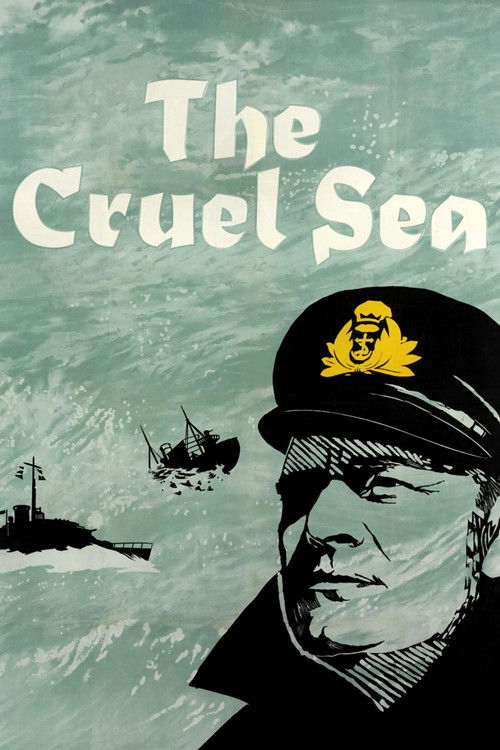
At the start of World War II, Cmdr. Ericson is assigned to convoy escort HMS Compass Rose with inexperienced officers and men just out of training. The winter seas make life miserable enough, but the men must also harden themselves to rescuing survivors of U-Boat attacks, while seldom able to strike back. Traumatic events afloat and ashore create a warm bond between the skipper and his first officer.
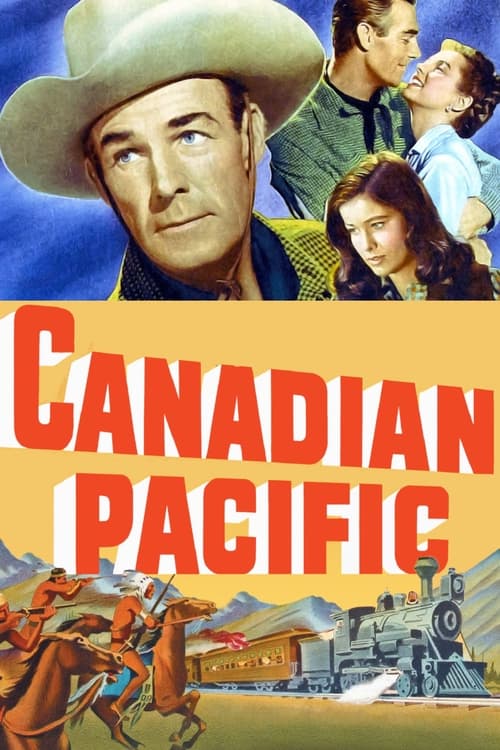
A surveyor for the Canadian Pacific Railroad must fight fur trappers who oppose the building of the railroad by stirring up Indian rebellion.
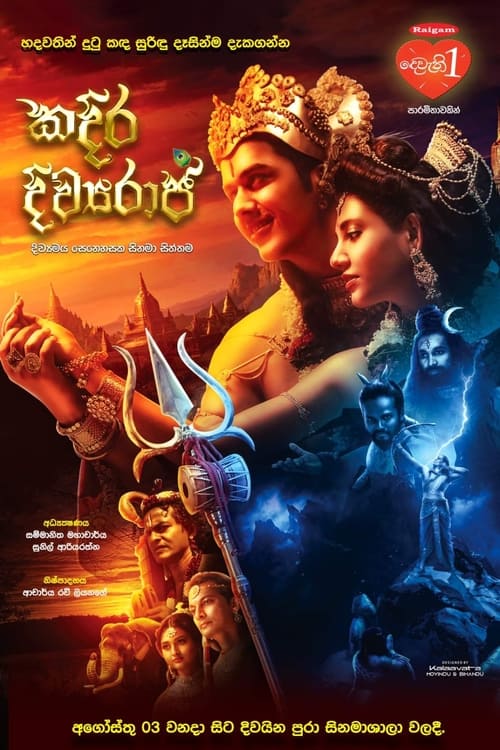
This mythological film depicts the romantic relationship between Hindu god Kartikeya and the aboriginal princess Valli.
Short directed by Bruce Petty.
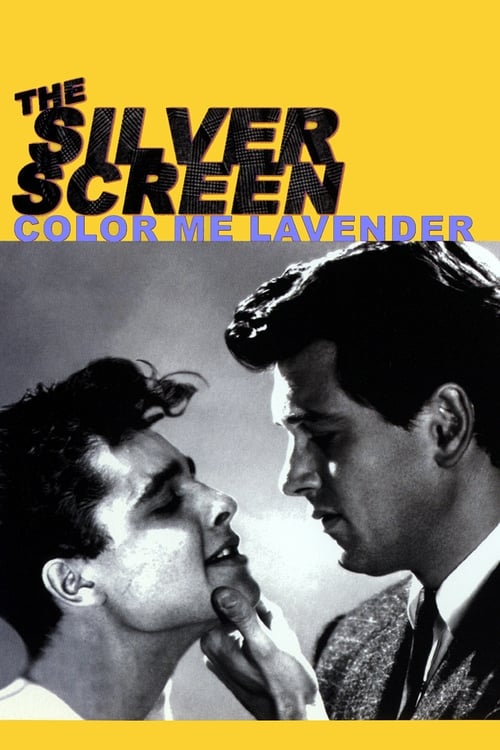
A film scrapbook, images, phrases from our past, hiding their meanings behind veils. Let's lift those veils, one by one, to find how images, at one time seeming innocent, have revealed, after decades, to have homosexual overtones.
A short documentary exploring the lives of historical figures who faced communication challenges and pursued their ambitions despite the obstacles.
Featuring footage spanning from 1901 to 1985, this little-seen footage has been found from all across the UK. This programme allows an exploration into stories of migration, community and also the struggle against inequality, while also providing the opportunity to celebrate black British culture and life on screen. Films in the programme include: Miners Leaving Pendlebury Colliery (1901), Hull Fair (1902), For the Wounded (1915), From Trinidad to Serve the Empire (1916), Hello! West Indies (1943), Mining Review 2nd Year No. 11 (1949), To the Four Corners (1957), Black Special Constable (1964), Black Police Officers (1966), Cold Railway Workers (1964), Nigerian Wedding in Cornwall (1964), Coloured School Leavers (1965), London Line No. 373 (1971), African Student Families (1975), Liverpool 8 (1972), Blood Ah Go Run (1982), The Jah People (1981) and Grove Carnival (1981)
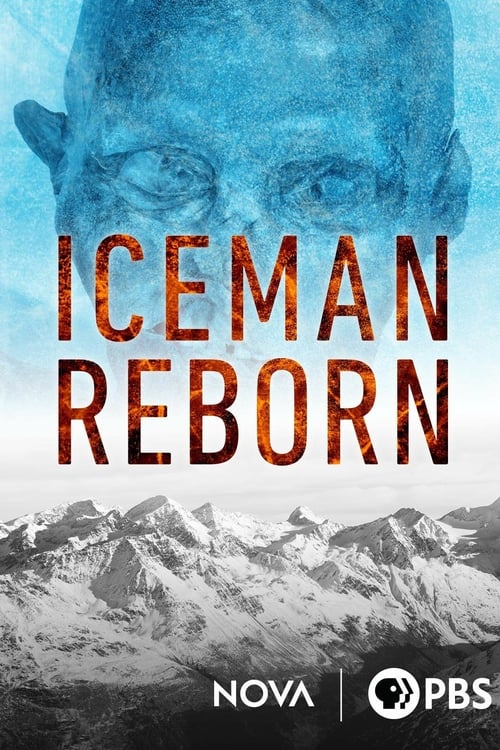
He was stalked, attacked and left to die alone. Murdered more than 5,000 years ago, Otzi the Iceman is Europe’s oldest known natural mummy. Miraculously preserved in glacial ice, his remarkably intact remains continue to provide scientists, historians, and archeologists with groundbreaking discoveries about a crucial time in human history. But in order to protect him from contamination, this extraordinary body has been locked away, out of reach, in a frozen crypt—until now.
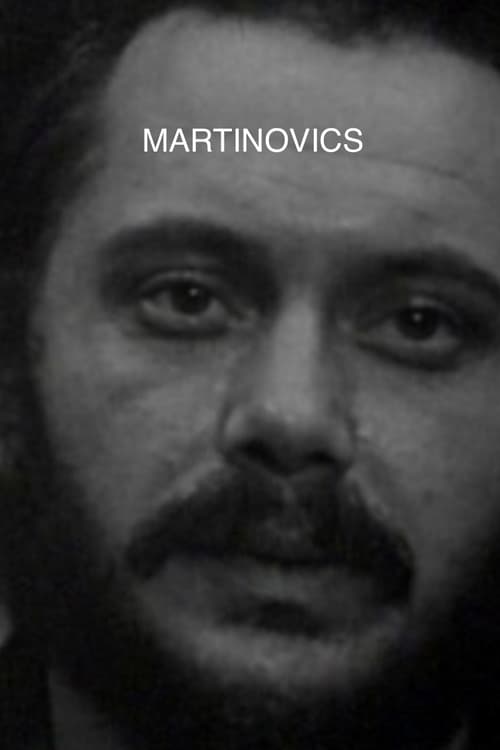
For this austere, clear and sharp telefeature, Judit Elek focused on the last months of Martinovics’ life: his interrogation by the Austrians, the examining Magistrate Schilling in particular, shown as a battle of wits as well as delusions on both sides. Elek had wanted to make this film in the early 1970s, but wasn’t allowed to. When she finally got the chance, the reactions were predictable, as the parallels with recent Hungarian history were simply too obvious for officialdom not to feel anxious. History may not repeat itself, but the variations look eerily similar.

The Battle of Châteauguay, fought in 1813 to push back American troops invading Canada, is recounted in this dramatic short film by the hero of the battle, Lt-Col. Charles-Michel de Salaberry. Recreated battle scenes illustrate de Salaberry's military strategy, while animation is used to relate the events leading up to this important battle (the French and American revolutions, the reign of Napoleon, the naval battles between the English and the Americans, and Yankee expansionist policies).

Young Moldovan nobles try to overthrow King Mihail Sturdza. They plot an assassination and spread flyers. On this backdrop, there is a romance story between Franz Liszt, in tournament, and one of the noblemen's daughter, who is close to the plotters.

On January 6, 1975, TF1 was born following the dissolution of the ORTF. To celebrate its 40th anniversary, a special evening revisits the channel’s most memorable moments, from historic events like the fall of the Berlin Wall to iconic TV shows and unforgettable on-air moments. Hosted by Gilles Bouleau and Christophe Dechavanne, the program takes viewers on a nostalgic journey through four decades of television history.

Russia, 1917, WWI. This is the story of the 1st Russian Women's Battalion of Death, formed as part of an ill-conceived propaganda ploy by the Russian Provisional Government in late May of 1917.
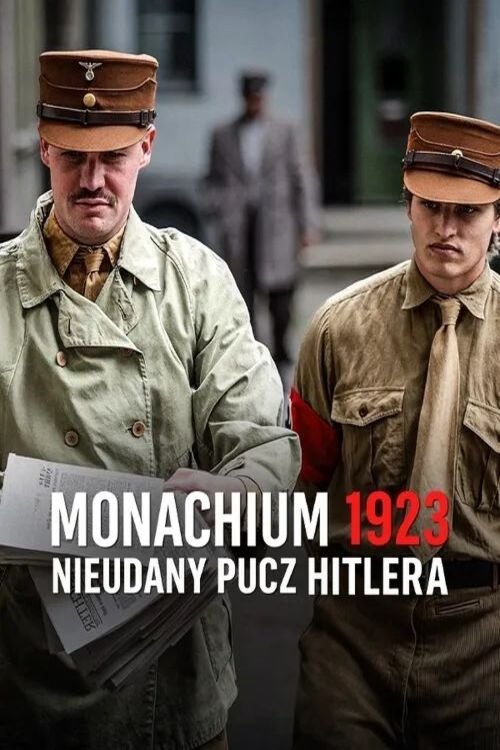
Germany 1923: Inflation, starvation, unstable political conditions. During this time, 24-year-old Paula Schlier goes undercover at the “Völkischer Beobachter”, the Nazi Party’s official newspaper, and gets caught at the centre of Hitler’s attempted coup.
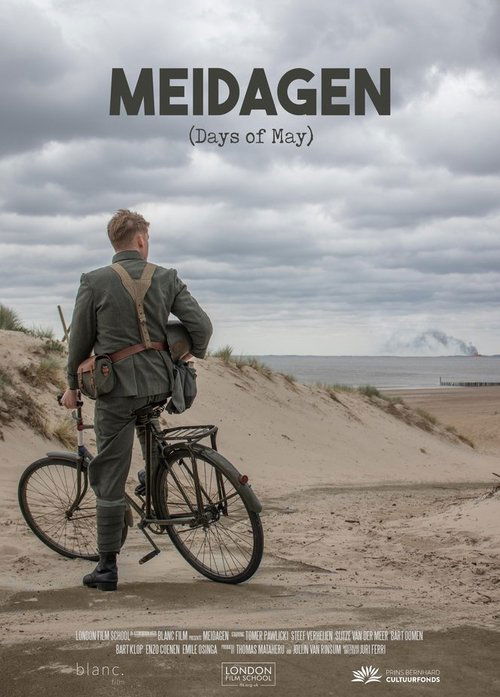
A Dutch soldier experiences the first days of World War II on the Zeeland Flanders coast. Helpless in face of the looming German invasion, his faith in God will be put to a test.

A fascinating exploration of the literary — The Tragedy of Othello, the Moor of Venice, by English playwright William Shakespeare (1604) — and lyrical — Othello, by Italian opera composer Giuseppe Verdi (1887) — myth of Othello, the desperately tragic story of a Moorish general in the army of the Venetian Republic whose absurd jealousy poisons his love for his wife Desdemona.