Protocol Archives • Browse all History titles in HD
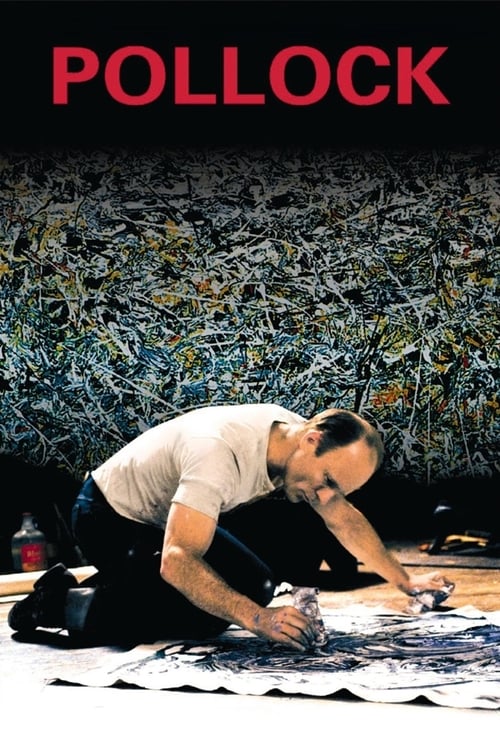
In August of 1949, Life Magazine ran a banner headline that begged the question: "Jackson Pollock: Is he the greatest living painter in the United States?" The film is a look back into the life of an extraordinary man, a man who has fittingly been called "an artist dedicated to concealment, a celebrity who nobody knew." As he struggled with self-doubt, engaging in a lonely tug-of-war between needing to express himself and wanting to shut the world out, Pollock began a downward spiral.
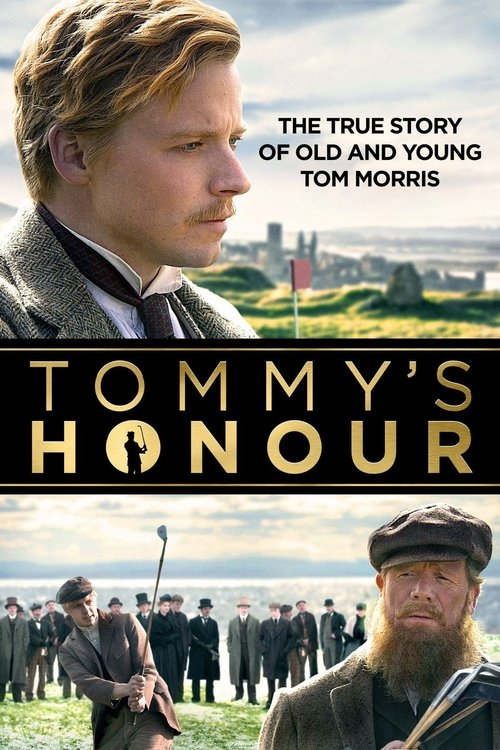
In 1866 St Andrews, Scotland, 15-year-old Tommy Morris is an avid golfer like his legendary and pioneering father, Tom Morris, now greenskeeper for The Royal and Ancient Golf Club of St Andrews, as well as the town's club- and ball-maker. The two-time winner of the first major golf tournament, The Open Championship, which he founded in 1860, Old Tom also established golf's standard of 18 holes per round. But young Tommy is beginning to chafe at his father's dictates, especially in the rapidly changing world they live in. Tommy soon outshines his father, winning The Open three consecutive times.
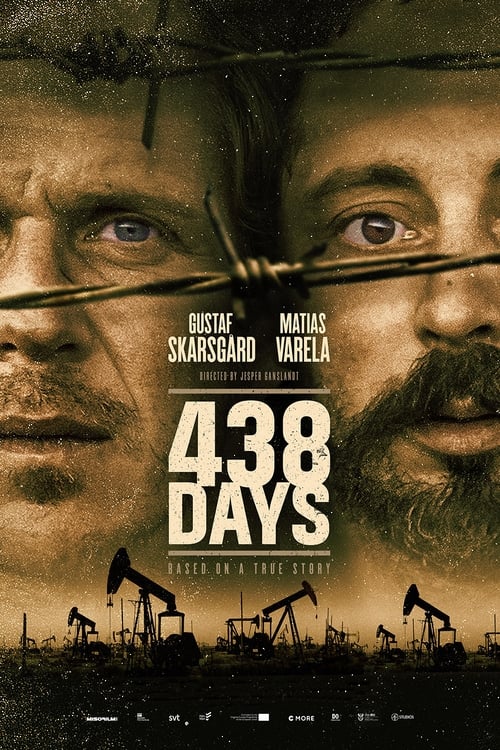
On the eve of June 28th, 2011 Swedish journalists Martin Schibbye and Johan Persson put everything at stake by illegally crossing the border from Somalia into Ethiopia. After months of research, planning and failed attempts, they were finally on their way to report on how the ruthless hunt for oil effected the population of the isolated and conflict-ridden Ogaden region. Five days later they lay wounded in the desert sand, shot and captured by the Ethiopian army. But when their initial reportage died, another story began. A story about lawlessness, propaganda and global politics. After a Kafkaesque trial they were sentenced to eleven years in prison for terrorism. And they were far from alone. Their cellmates were journalists, writers and politicians persecuted for not bowing down to dictatorship. Their reportage about oil was transformed into a story about ink, and their daily lives turned into a fight for survival inside the notorious Kality prison in Addis Ababa.
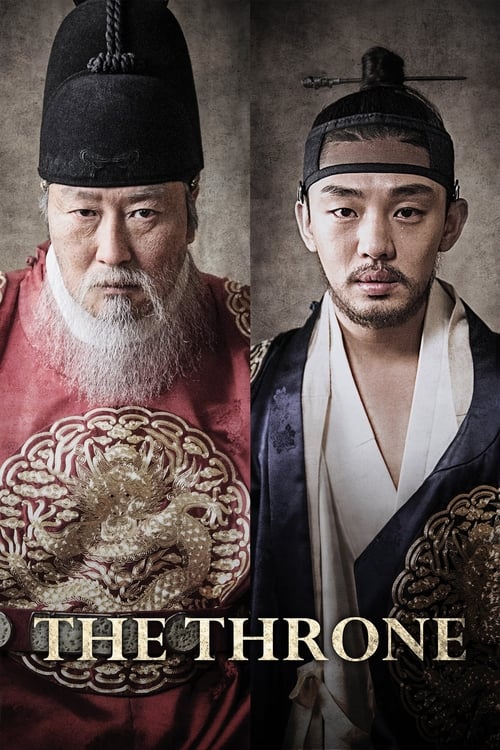
Ancient Korea, July 4, 1762. The Crown Prince Hyojang, posthumously named Sado, son of King Yeongjo of Joseon, is accused of treason. Thus, the king asks him to commit suicide, but his closest vassals prevent it, so the king orders the prince to get inside a wooden rice chest, where he suffers deprivation of food and water.
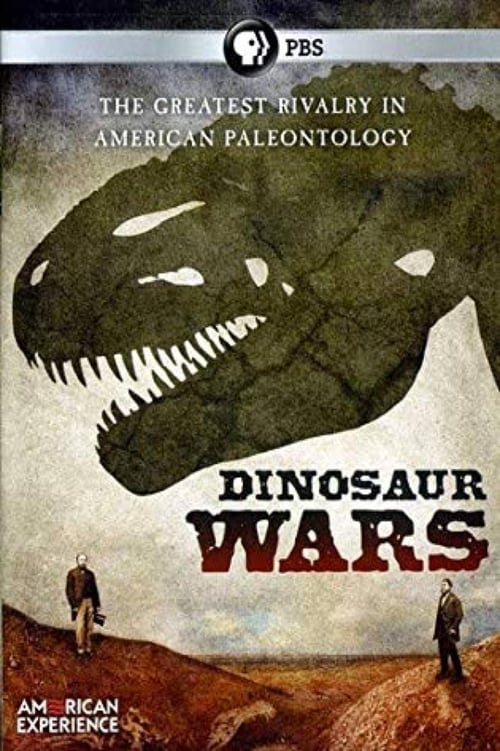
Dinosaur Wars is the story of two talented scientists, O.C. Marsh and Edward Cope, whose once professional rivalry soured into a bitter personal feud. Together, Marsh and Cope were responsible for identifying more than 142 different species and for introducing dinosaurs into the American imagination, but their legacy would be forever marred by two decades of ruthless infighting, espionage, and sabotage.
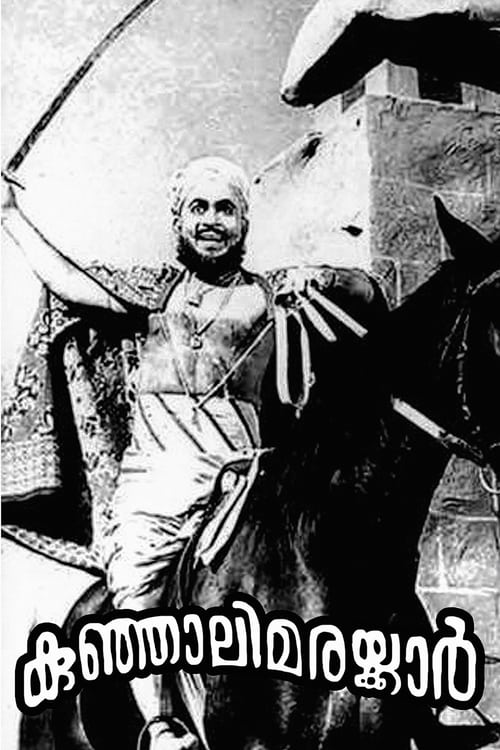
Tells the story of the legendary 16th century naval captain Mohammed, a brave warrior and merchant supported the Samoodiri in his fight against the Portuguese. The Samoodiri honoured Mohammed by making him his naval chief and renaming him ‘Kunjali Marakkar'

By the start of World War II, Paul Robeson had given up his lucrative mainstream work to participate in more socially progressive film and stage productions. Robeson committed his support to Paul Strand and Leo Hurwitz’s political semidocumentary Native Land. With Robeson’s narration and songs, this beautifully shot and edited film exposes violations of Americans’ civil liberties and is a call to action for exploited workers around the country. Scarcely shown since its debut, Native Land represents Robeson’s shift from narrative cinema to the leftist documentaries that would define the final chapter of his controversial film career.
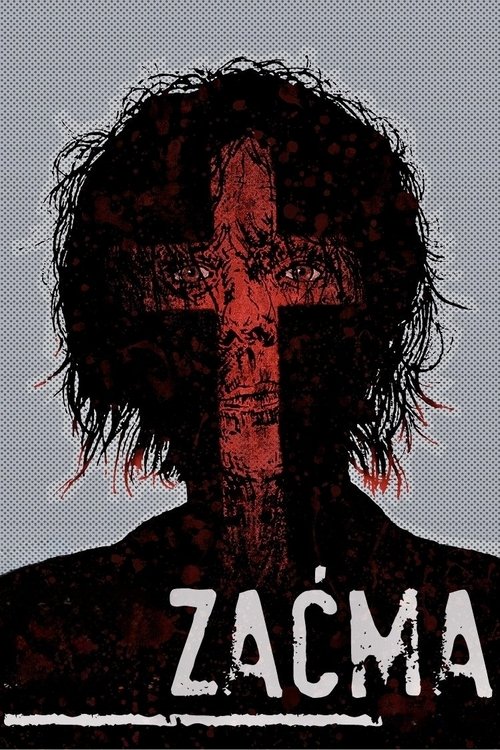
A little known episode from the life of Stalinist security police office Julia Brystiger. Her nickname Bloody Luna was a reference to her incredibly brutal methods of interrogation. In the early 1960s, she appears in a centre for the blind on the outskirts of Warsaw, a place often visited by Cardinal Wyszyński, whose imprisonment in 1953-1956 Brystiger supervised personally. During a difficult and heated discussion with the cardinal, Brystiger denounces the communist ideology and begs for forgiveness for her crimes and for guidance in her search for God.
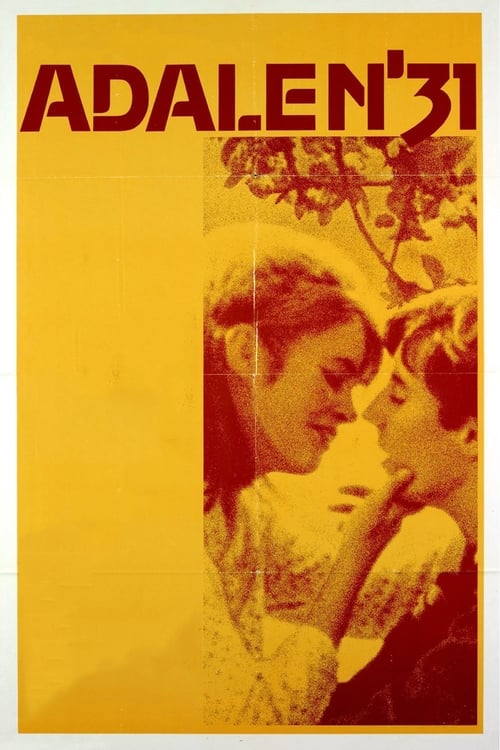
A film about the 1931 Ådalen shootings, in which Swedish military forces opened fire against labour demonstrators in the Swedish sawmill district of Ådalen.
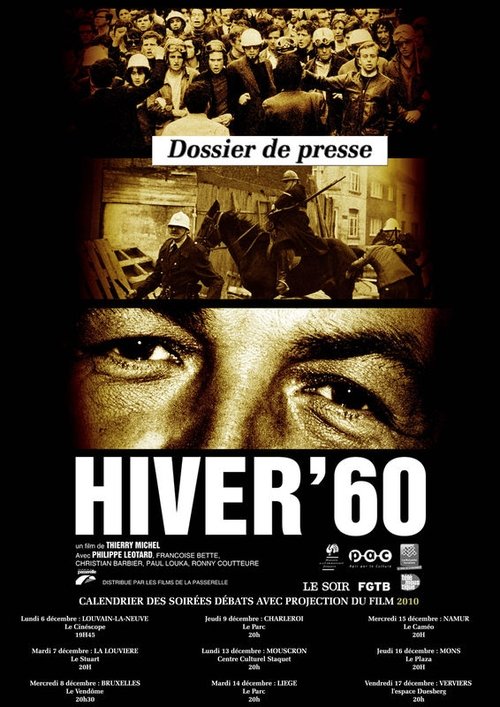
In 1960, the announcement of social regression measures decided by the Belgian government triggered a wildcat strike by workers. Albert and Fred were at the forefront of a struggle that promised to be heated and risky. The great Walloon strike shook Belgium to its core. Violence, demonstrations, internationalists, red flags, Walloon flags. For five weeks, the country was paralyzed by a movement that often took on the air of an insurrection.
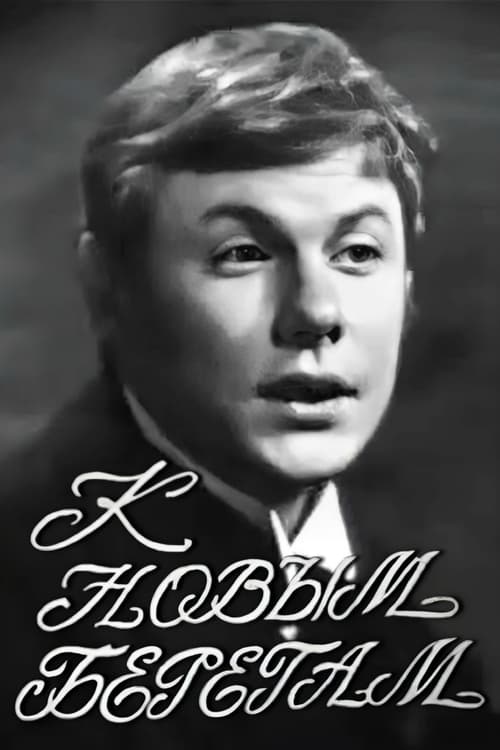
On a gloomy March 1881, an old, sick man was dying in the Nikolaevsky military land hospital in St. Petersburg. Delirium tremens had done its dirty work: there was no hope for recovery. And this “old man” had just turned 42 years old, and it was the great Russian composer Modest Petrovich Mussorgsky. Who knows what visions, what memories swarmed in his fevered imagination in rare moments of enlightenment?
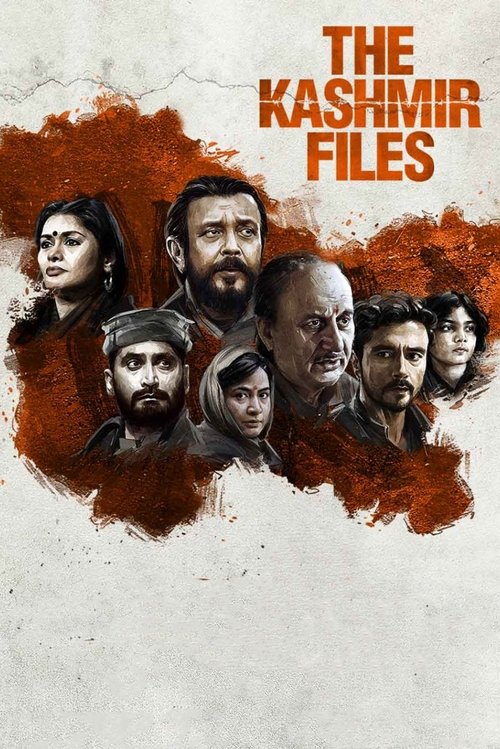
Based on a true tragedy, the emotionally triggering film sheds light on the plight of Kashmiri Pandits (Hindus), a religious minority in the 1990s Kashmir valley, who were compelled to flee their homes by the Islamic militants.
In an isolated 18th-century Estonian village, Elo struggles to survive in a community that offers her neither safety nor kindness.

When she was in high school, Ainun was known as a smart girl and became the target of many male students, including Habibie. In college, Ainun became a popular figure. Ahmad is a man who dared to express his love for Ainun.

A documentary about the sea and memory. Its movement is its form. Its strength.
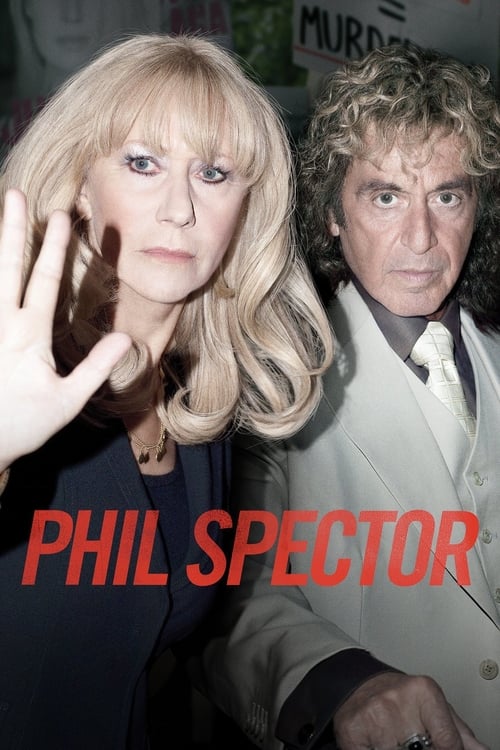
A drama centered on the relationship between Phil Spector and defense attorney Linda Kenney Baden while the music business legend was on trial for the murder of Lana Clarkson.

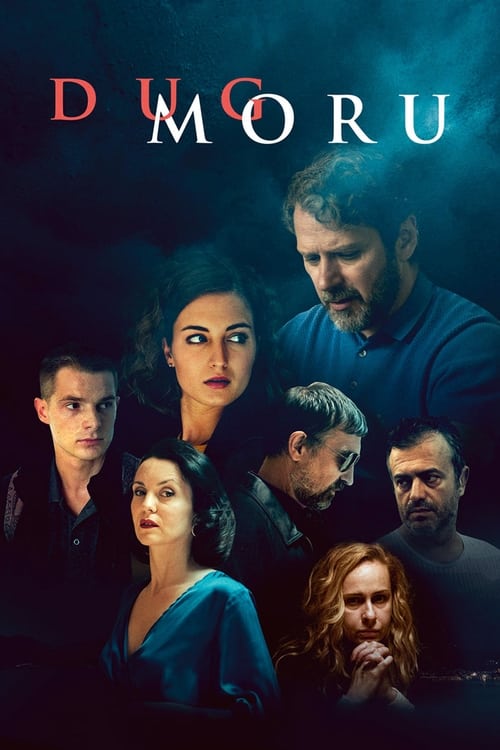
At the very entrance of Boka Kotorska there is fortress named Fortica, which served as border control or quarantine in the past when ships used to dock in the bay. The most common goods taxed was salt. Its geographical position was significant during 1920s as well, while some speculate that the main hero of this story, Perisa, accumulated his fortune exactly in this way...
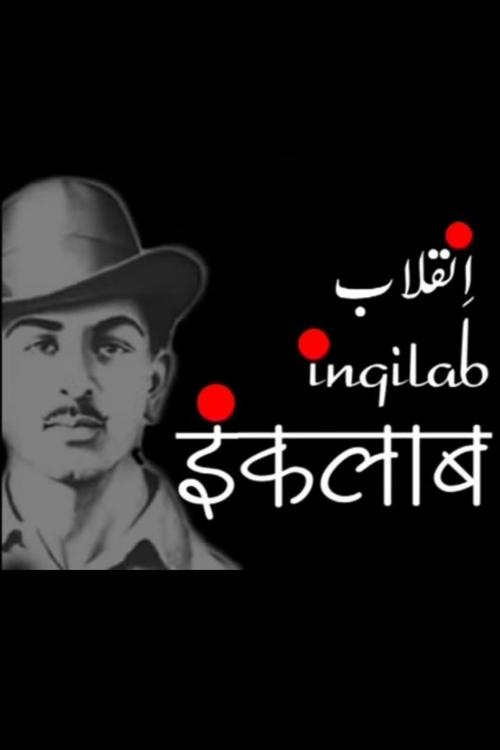
A documentary that traces the life and times of Bhagat Singh, a committed Marxist who most ably exemplified the spirit of revolutionary resistance against British imperialism in undivided India.
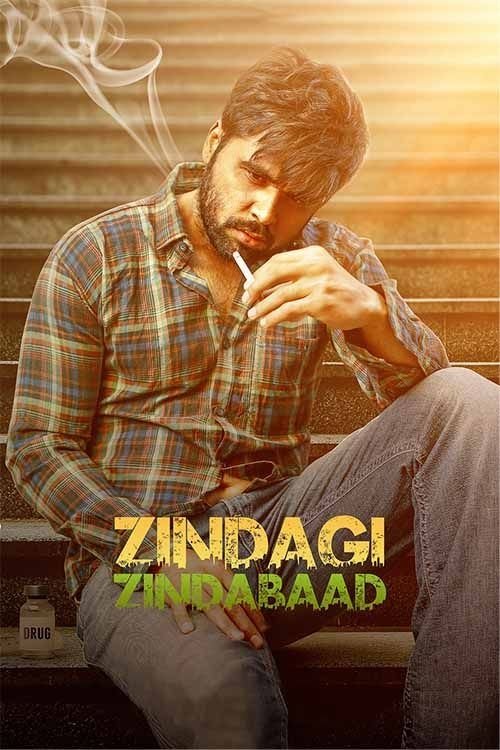
It is always been said that "Addiction to Life is more stronger than an Addiction to Drugs". Zindagi Zindabaad takes us to the deep insights of five individual lives who are chained into the misery of addiction and how these very individuals break free from these chains to live a clean and more realistic colorful lives.