Protocol Archives • Browse all History titles in HD

Chaudhry – The Martyr is an upcoming biopic action film. The film features Tariq Islam, Shamoon Abbasi, Arbaaz Khan, and Zara Abid in lead roles. Chaudhry - The Martyr is directed by Azeem Sajjad.
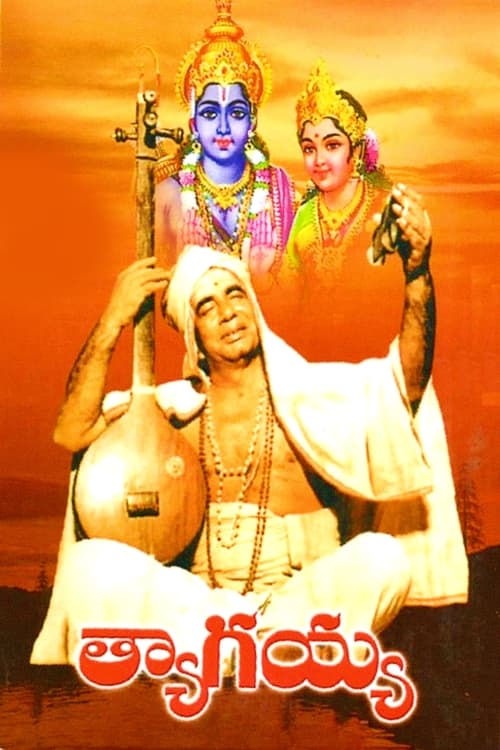
Thyagaraja was a famous composer in South India. This is his story.
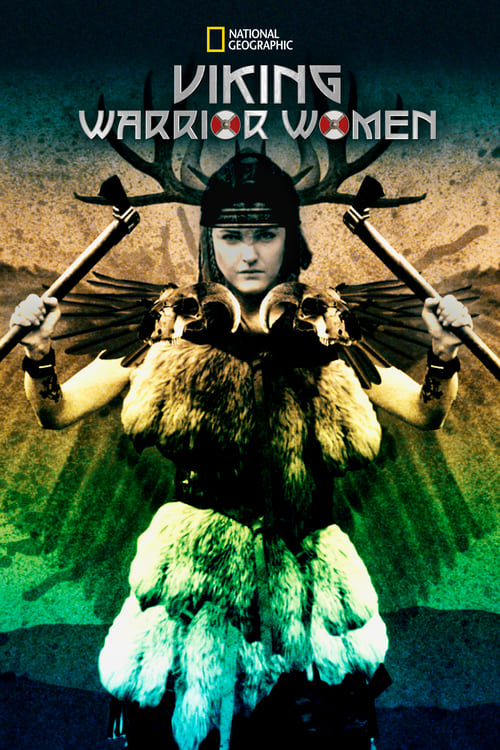
Using original excavation data combined with cutting edge computer graphics, we recreate the grave of a mighty viking warrior woman as never seen before.

The journey of Bhagwan Dada. A common man who rose to the top and became a legend in Indian Cinema.
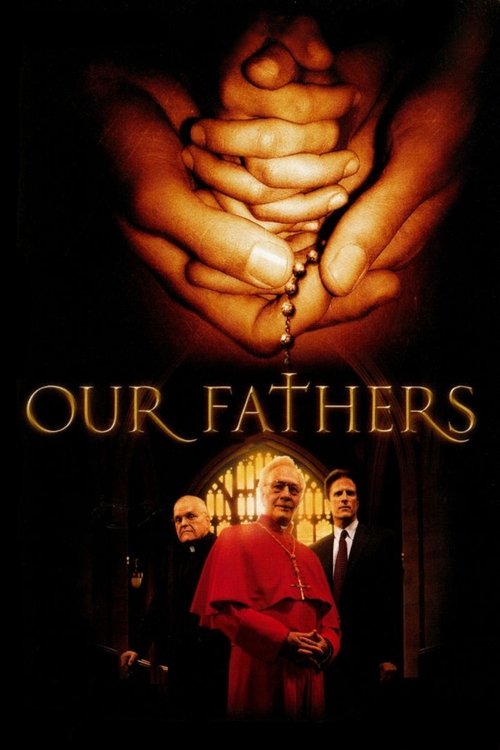
In the '80s, priests and especially the Father Geoghan arrested for sexual abuse of minors. Cardinal Law, also indicted, and the diocese was aware of the actions of these men of the church and was kept secret for years, until the victims decide to seek redress.

A defiant warrior-monk arrives at Kublai Khan's court in chains and soon earns his tragic nickname in this 30-minute origin story.
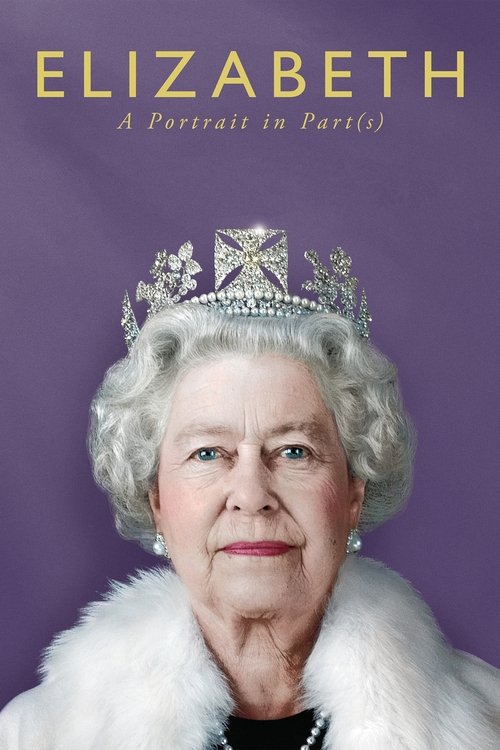
Elizabeth is an archive-based documentary film about the Queen. A celebration. A truly cinematic mystery-tour up and down the decades: poetic, funny, disobedient, ungovernable, affectionate, inappropriate, mischievous, in awe. Funny. Moving. Different. The Queen as never before.
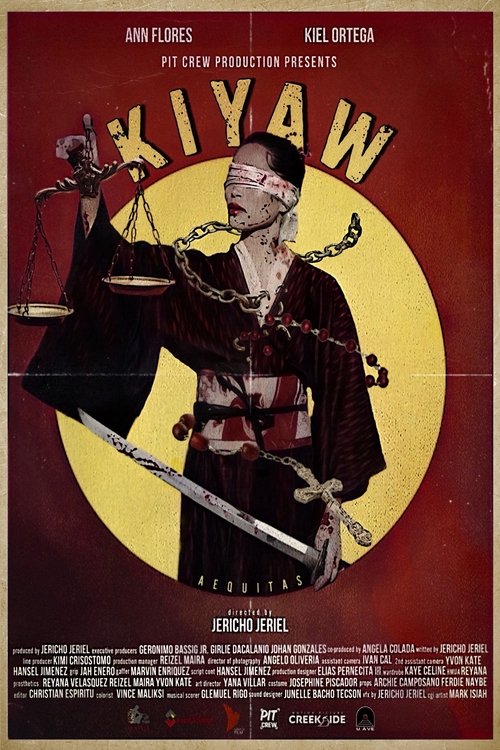
On the blood-stained ruins of a seedy 1945 Manila. Horrors unfold in the eyes of a mother from a farming village after being enslaved to satisfy the Japanese Soldiers' fetish for the interplay of sex and violence. Her daring Iron Will led her to fight and resist in order to survive.
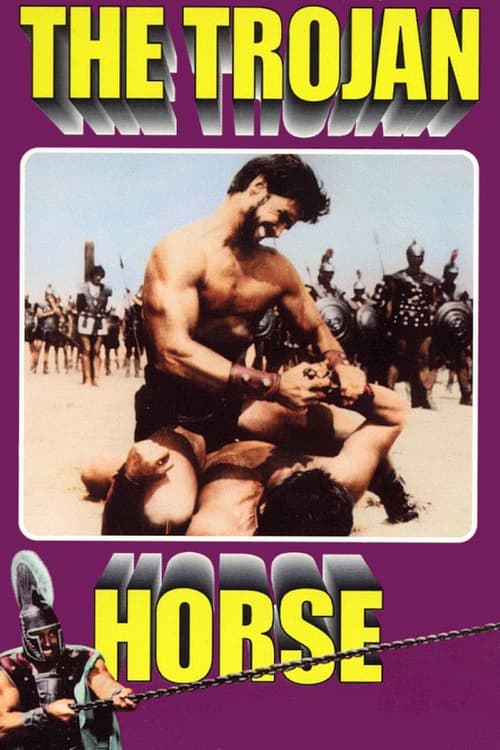
Trojan hero Aeneas battles to save his city from the Greeks, but once Troy falls, he leads the 600 survivors to Italy and founds the city of Rome.

Built in 1965 and located on Avenida Juan de Garay, in the San Telmo neighborhood of Buenos Aires, a residential building holds an extraordinary mystery that is part of the everyday lives of its tenants. An archetypal secret intersects the lives of the inhabitants of Garay, whose stories are intertwined with Argentine popular history, isolation and imagination.
In this captivating short film, we follow a Roman soldier separated from his unit after a devastating battle, forced to fight alone in the ominous, misty forests of Germania. Surrounded by the constant threat of Germanic warriors and the relentless forces of nature, he embarks on a gripping struggle for survival. With every step into the darkness, the soldier confronts not only external threats but also his inner demons.

A story of a several days of intense fighting on the Eastern Front during one of the Soviet offensives in WWII.

Who is Jocky Wilson? 20 years ago every child in Kirkcaldy, on the east coast of Scotland, could answer this question. One of the best darts players ever, world champion in 1982 and 1989 - a national hero. But in '95 Jocky paid the price for his self destructive life style. In search of his myth, we follow the forces that shaped Jocky's hometown and its inhabitants as we discover lost memories of the man who once inspired the nation.
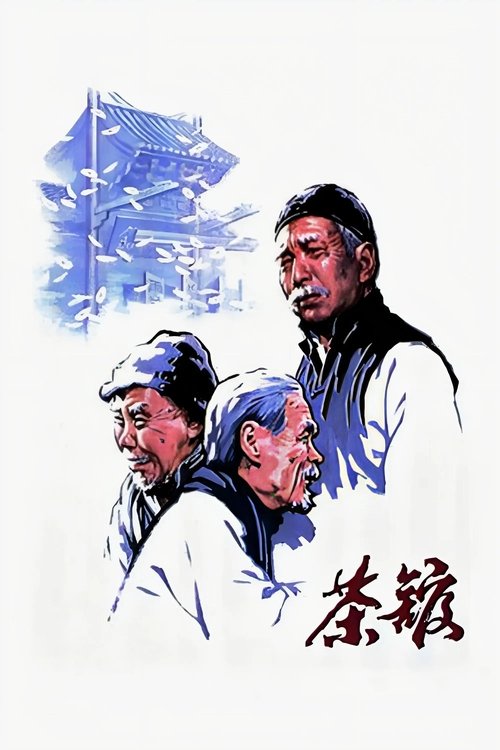
An old teahouse in Beijing serves as the stage for a drama that unfolds over several tumultuous decades of modern Chinese history, from the waning days of the Qing dynasty to the eve of the People's Republic.
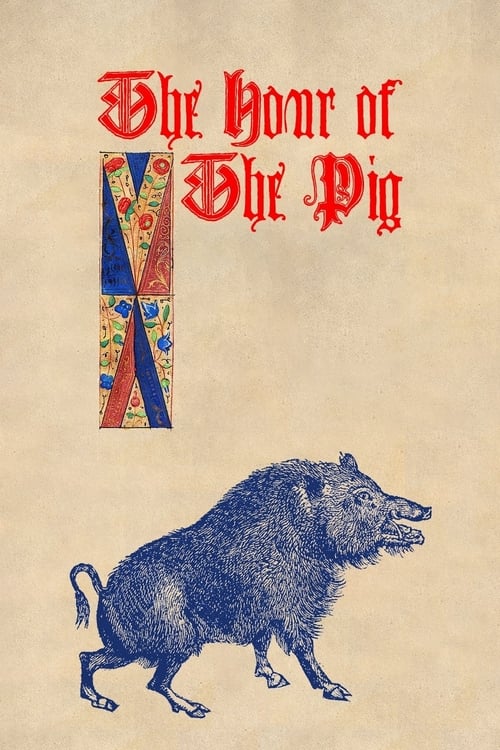
In medieval France, young lawyer Richard Courtois leaves Paris for the simpler life in the country. However, he is soon drawn into amorous and political intrigues. At the same time, he is pushed to defend a pig, owned by the mysterious gypsy Samira. The pig has been arrested for the murder of a young boy.
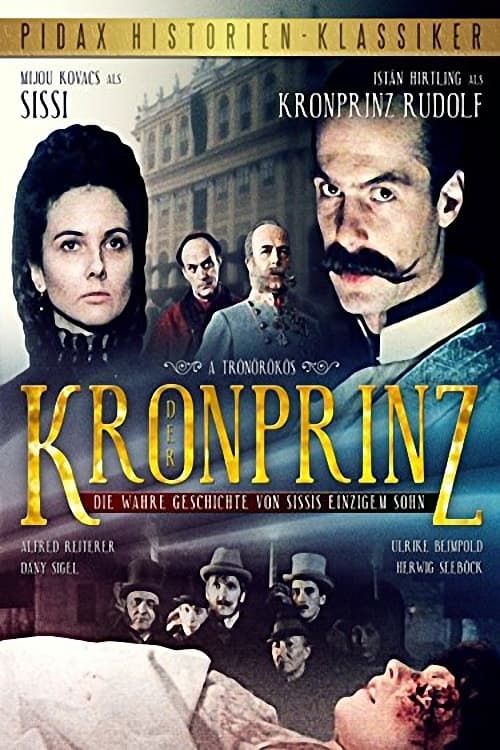
Archduke Rudolf, the only son of Franz Joseph, the pretender to the Habsburg Empire, was found dead in the hunting lodge at Mayerling on 30 January 1889. For a long time, few people knew the circumstances of his death; the public could only speculate. There was talk of failing health, murder for political reasons or out of fear of love, suicide...

The story of Salvador Puig Antich, one of the last political prisoners to be executed under Franco's Fascist State in 1974.
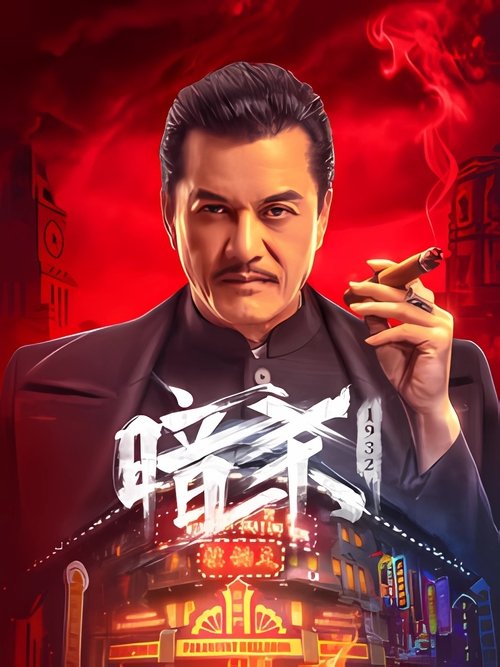
In 1932 Shanghai, a resistance leader and a gangster join forces to eliminate a Japanese military strategist. Their mission leads to violent encounters, public uprising, and ultimate sacrifice in the fight for freedom.