Protocol Archives • Browse all History titles in HD

A tribute to Italian filmmaker Sergio Corbucci (1926-90), presented by American filmmaker Quentin Tarantino.
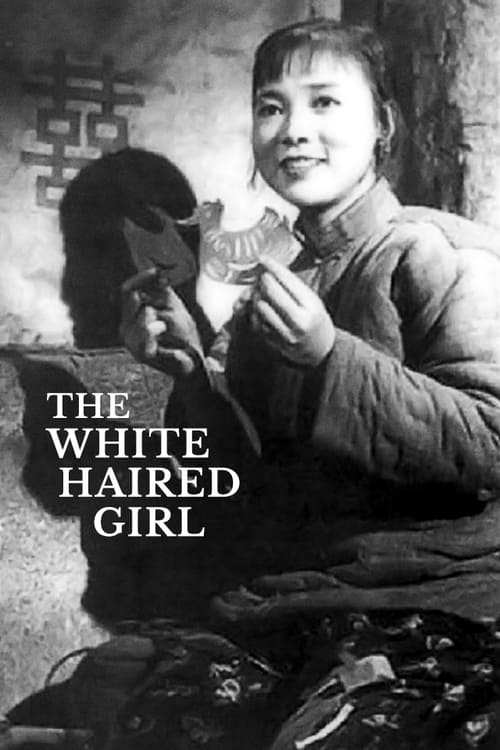
Yang Bailao, a tenant farmer, lives with his daughter Xi'er. The despotic landlord, Huang Shiren, attempts to forcibly take Xi'er for himself. On the eve of the Chinese Spring Festival, Huang forces Yang to sell his daughter as repayment of the debt Yang owes him.
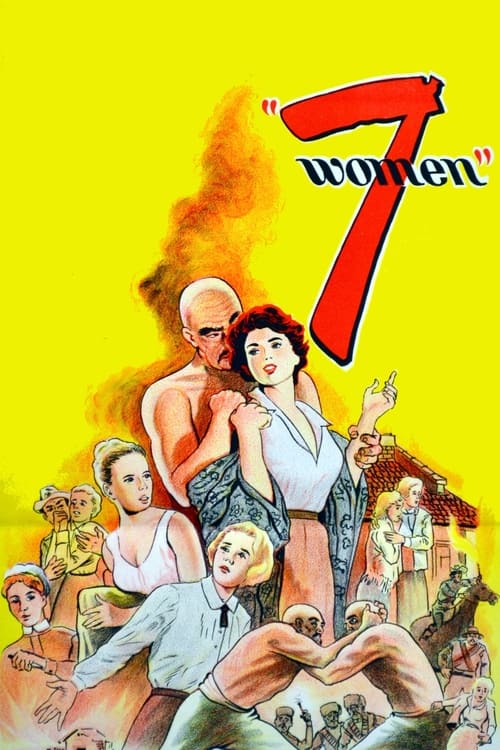
In a mission in China in 1935, a group of women are preyed on by Mongolian bandits, led by Warlord chief Tunga Khan.
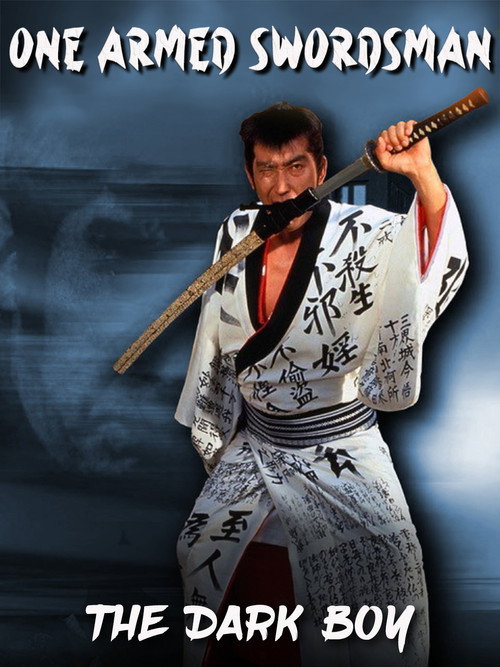
In the city of Edo, when recession started creeping into society, a bandit named Dark Boy appears in the streets and gains the people's appreciation. The shogunate, however, is unable to leave him alone, and order their forces to capture him.
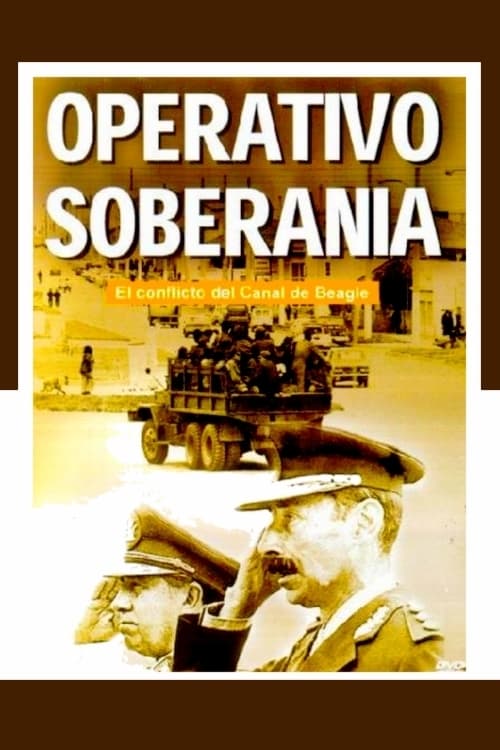
When the fight against a supposed subversive threat seems not to be enough to ensure national unity, the Argentine military dictatorship rekindles the extinguished fire of an old border dispute with Chile in order to make the nation close ranks around the criminal regime: the chronicle of an internal political conflict that was about to turn into a bloody war.
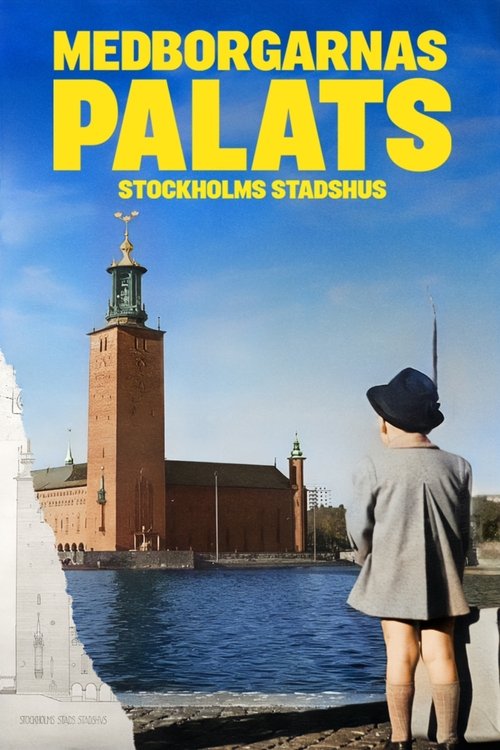
Roughly a hundred years ago Stockholm City Hall was Inagurated and since then It has become one of the cities most famous silhouettes. This documentary depicts the how architect Ragnar Östberg fights through global crises and workers strikes together with the various artisans to finish Swedens monument to Its newfound democracy
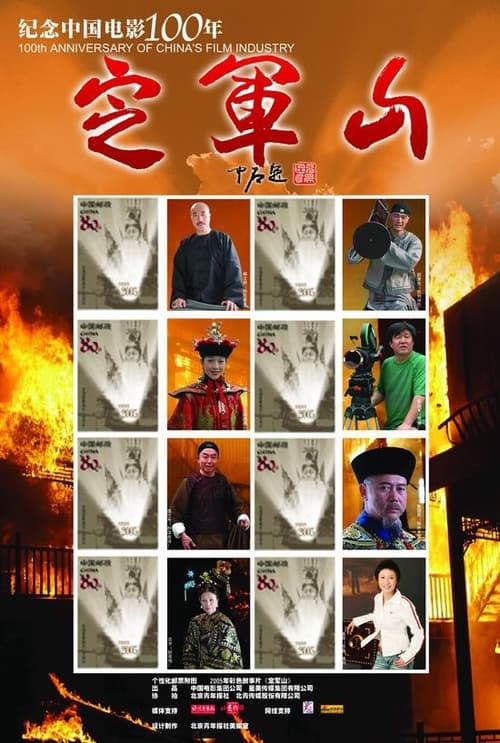
Detailing the creation of the first Chinese film ever made, this film was made to celebrate 100 years of Chinese cinema.

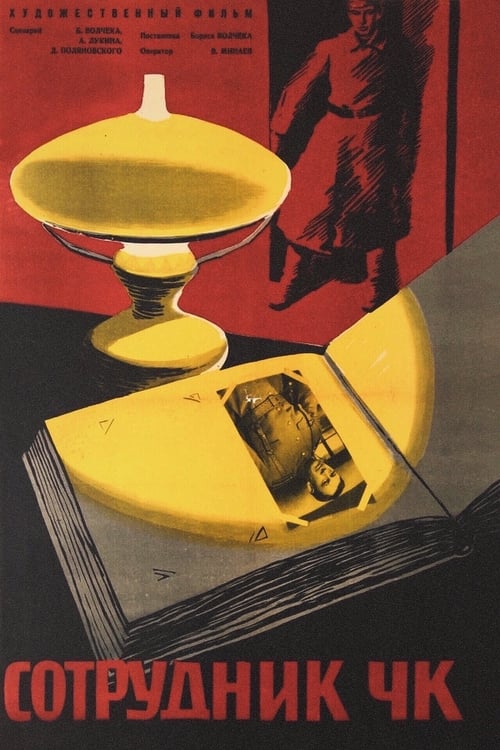
Russia, 1919. A young soldier of the First Cavalry Army, Aleksei Mikhalyov, is sent to work in the provincial Cheka. Here in the south of the country there is a large White Guard underground led by the elusive Markov. Aleksei gets into the gang, where he is mistaken for his own. The day of the operation to eliminate the white underground is appointed. But unforeseen circumstances destroy the plans of the Chekists.

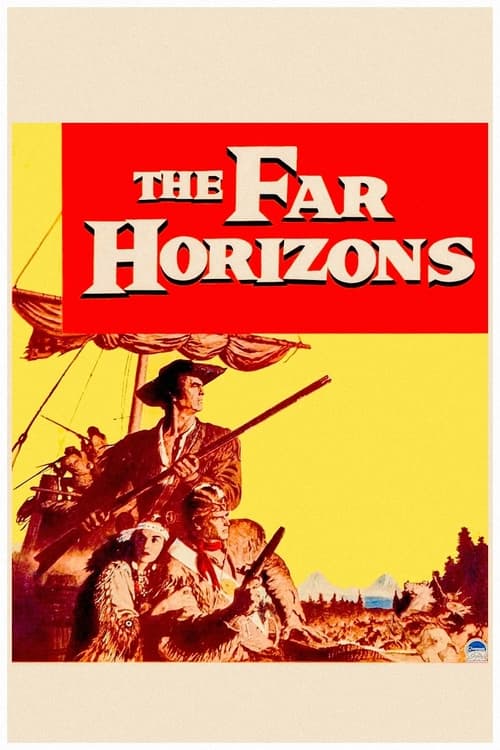
Virginia, 1803. After the United States of America acquires the inmense Louisiana territory from France, a great expedition, led by William Lewis and Meriwether Clark, is sent to survey the new lands and go where no white man has gone before.
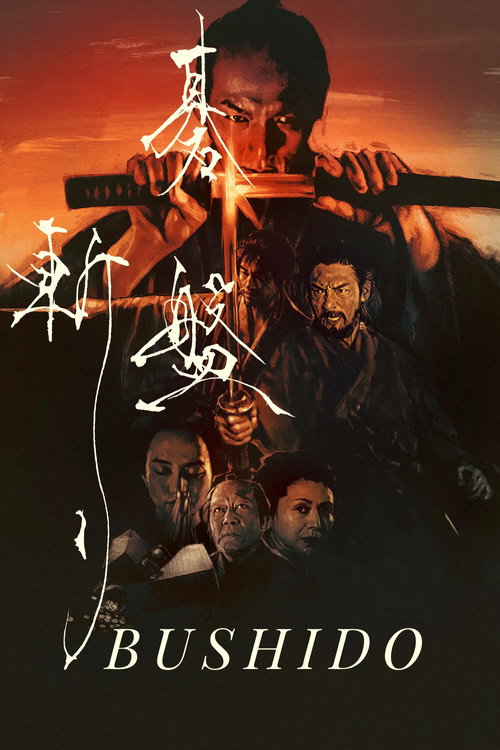
Kakunoshin, renowned for his skills with a sword and in the game of go, embodies the samurai code. Falsely accused of a theft, he is forced to become a lowly ronin. Years later, when a case of missing gold pulls him into a new web of intrigue, Kakunoshin uncovers the truth behind his downfall. With the real culprit exposed, the go board flips, and a hellstorm of righteous vengeance follows.
Pitoeng is the original Batavian champion whose popularity draws from lenong folk performances. People believe that the Rawabelong champion has the ability to “disappear” because he always manages to escape the pursuit of Dutch police. He is perceived as the local version of Robin Hood: who only robs the rich to give to the poor.
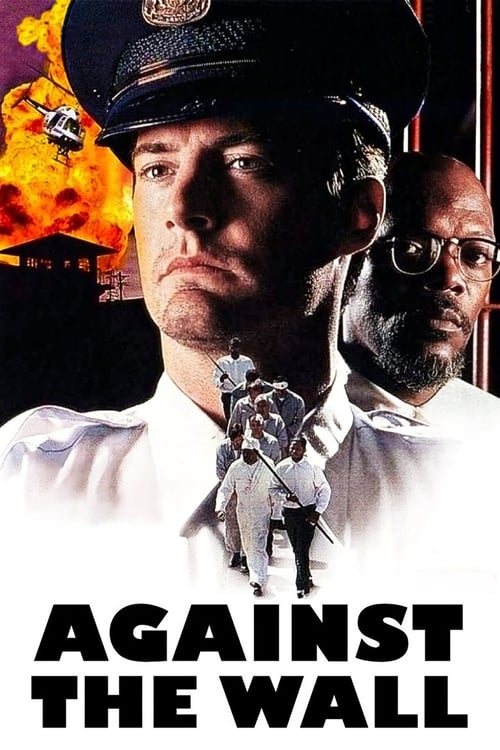
In 1971, a warden at Attica Penitentiary is caught up in a hostage crisis when inmates take over the prison to demand better living conditions.

Barabbas or Jesus Barabbas (literally "son of the father" or "Jesus, son of the father" respectively) is a figure in the account of the Passion of Christ, in which he is the insurrectionary whom Pontius Pilate freed at the Passover feast in Jerusalem, instead of Jesus Christ.
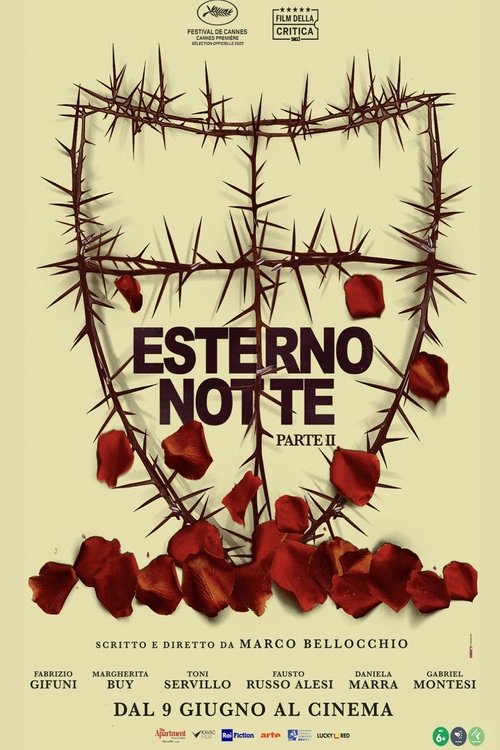
The 1978 kidnapping and assassination of former Italian Prime Minister Aldo Moro by Red Brigades terrorists
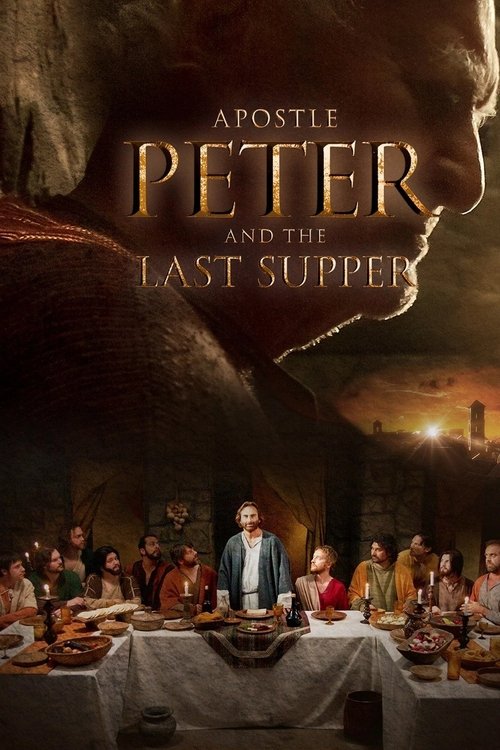
The film portrays Saint Peter reflecting on his time with Jesus and his fellow Apostles during his final imprisonment in Rome. In particular, Peter attempts to convert one of his jailers, Martinian, by relating the life, teachings, and sacrifice of Jesus.
A memorial concert reawakens the story of an artistic uprising in the Nazi concentration camp, Terezin, where a chorus of 150 inmates confronts the Nazis face-to-face - and sings to them what they dare not say.
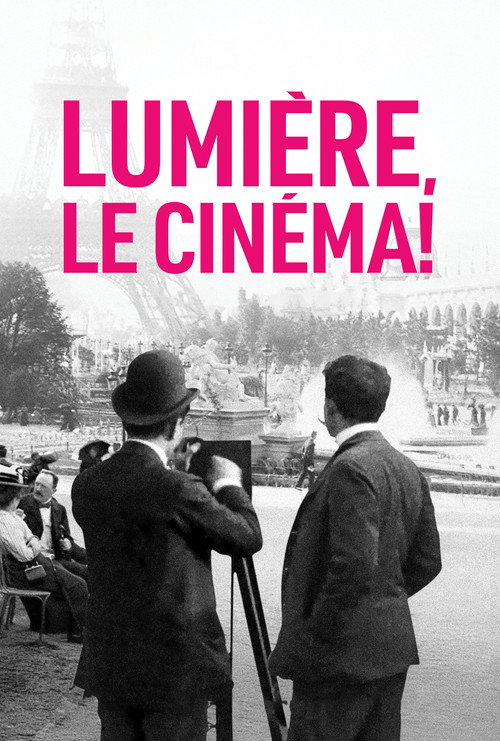
In one of those wonderful coincidences of history, lumière, the French word for “light,” was also the last name of brothers Auguste and Louis, whose brilliant invention, the cinematograph, helped to inaugurate the most beloved art form of the last 130 years. Institute Lumière director Thierry Frémaux uses Lumière, Le Cinema! to guide the viewer through over a hundred shorts—some famous, some forgotten, some never before seen—directed by Lumière and company. In the process, Frémaux illuminates how the brothers employed the camera as a creative instrument as they (and their operators) mastered framing, staging, and subject selection for quotidian and exotic microdocumentaries as well as the first ever fictional motion pictures. The result is not only a glorious re(telling) of the genesis of cinema but a profound meditation on the beautiful world captured—and the mysterious world imagined—by the Lumières.