Protocol Archives • Browse all History titles in HD
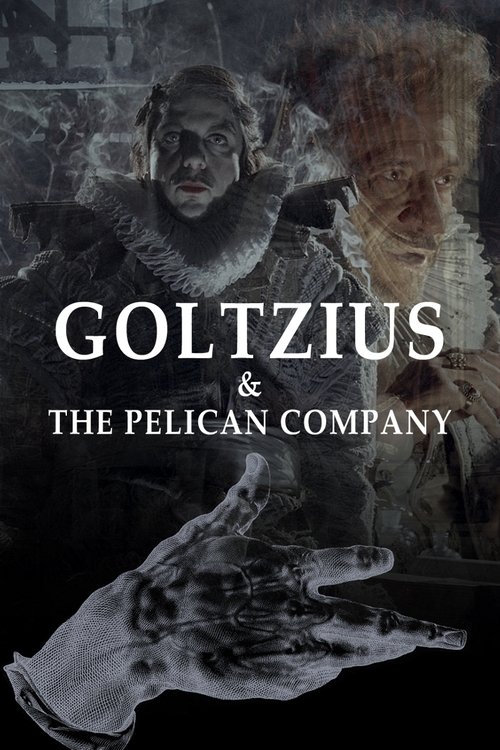
Goltzius and the Pelican Company tells the story of Hendrik Goltzius, a late 16th century Dutch printer and engraver of erotic prints. A contemporary of Rembrandt and, indeed, more celebrated during his life, Goltzius seduces the Margrave of Alsace into paying for a printing press to make and publish illustrated books. In return, he promises him an extraordinary book of pictures of illustrating the Old Testament’s biblical stories. Erotic tales of Lot and his daughters, David and Bathsheba, Samson and Deliah and John the Baptist and Salome. To tempt the Margrave further, Goltzius and his printing company will offer to perform dramatisations of these erotic stories for his court.
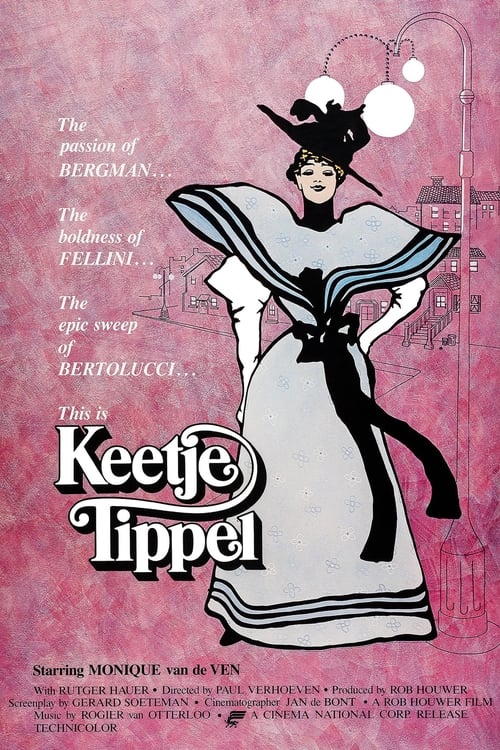
In the late 19th-century, the Tippel family moves to rural Stavoren in search of greener pastures. However, their dreams are quickly shattered, as teenage Katie is terrorized by a male-dominated society who only see her as an object. Her situation worsens when, following her father's sacking and her elder sister's descent into alcoholism, her mother decides that, rather than starving, Katie becomes a prostitute.
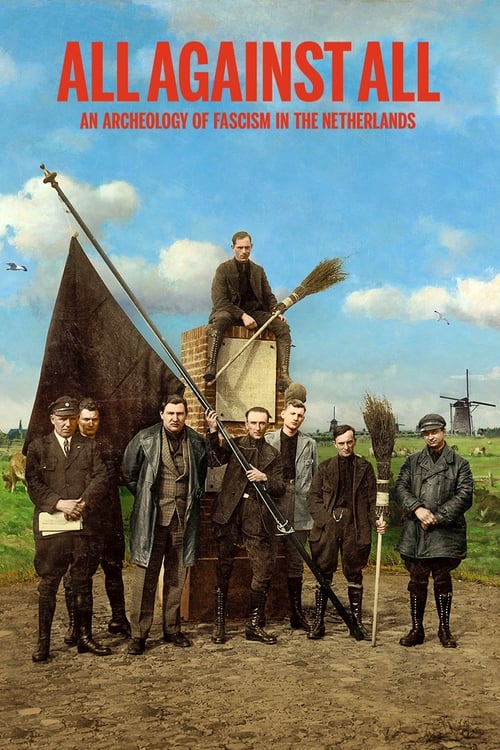
This richly illustrated historical documentary investigates the mechanism of nationalist feelings that radicalise. It shows how fascism was on the rise even a decade before the founding of the NSB, due to a number of anti-democratic initiatives led by a millionaire with a predilection for one-legged women, a market vendor, a cleric, and an artist. Historians, writers and collectors of fascist curios reveal how an initially marginal and fragmented movement grew into a radical populist party.
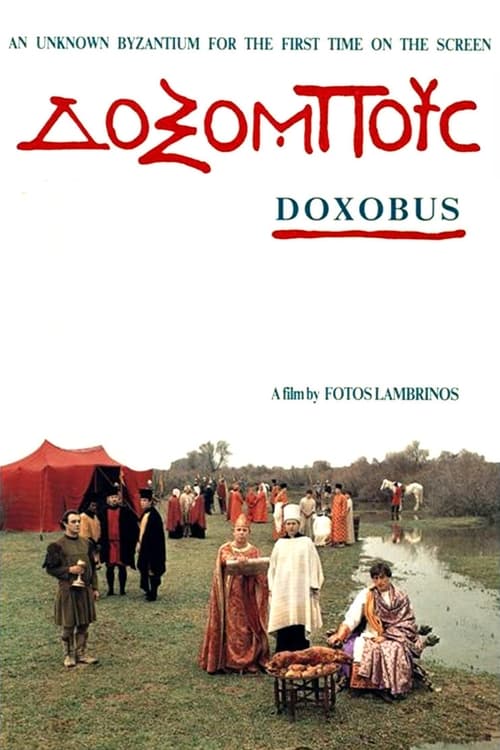
By the 14th century, the Byzantine Empire was, if not on the verge of actual collapse, at least seriously decadent and clearly on its last legs. The hungry wolves of Europe were preparing to dine on its corpse, and as a result the Byzantine army and its allies were constantly engaged in battles and skirmishes. In this story, a widow lives in the 14th-century Byzantine village of Doxobus with her son Xenos. She forms a relationship with a village elder, and when she gives birth to the elder’s son, her son from her previous marriage is sent to live in a monastery.
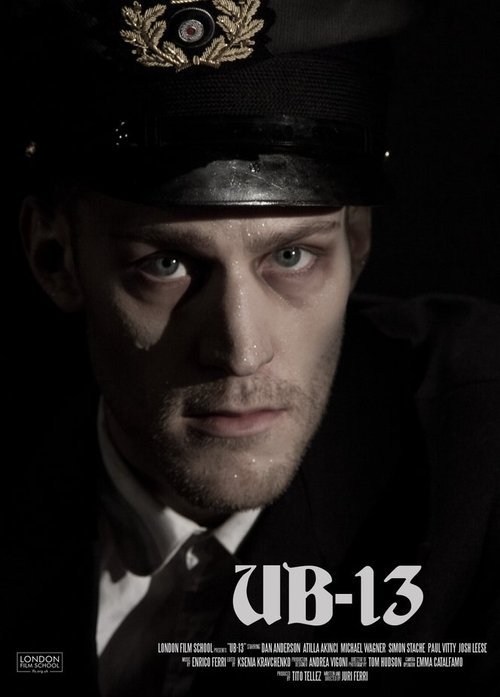
Following a misjudgement by its ambitious young captain, a German WWI U-boat is forced to wait for a prolonged period on the bottom of the North Sea, facing the threat of enemy torpedo ships. This causes unprecedented physical and mental challenges for captain and crew.

János Arany was nineteen years old when he left the Reformed College in Debrecen and became a travelling actor. He is stubbornly silent about this period in his memoirs, and he is already over fifty by the time he first puts his acting adventure on paper in his unfinished poem novel, Foolish Gods, calling himself Istók.The film by Gábor Rohonyi and Georgina Hegedűs, starring Ágoston Liber, depicts the lesser-known but all the more adventurous early years of one of the most important figures in Hungarian literature, mixing the story of his growing up with romantic elements and the road movie genre.
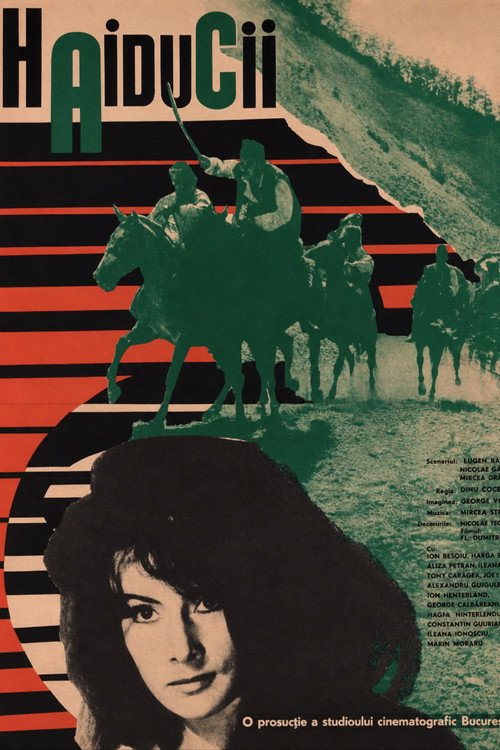
First of 2 films set during the 18th century in the mountains of Wallachia, about a band of outlaws aiming to undermine the rule of the Phanariots and the Ottomans. The story evolves around the two stepbrothers who lead this band, Sarbu and Amza, with their complex and violent relationship.
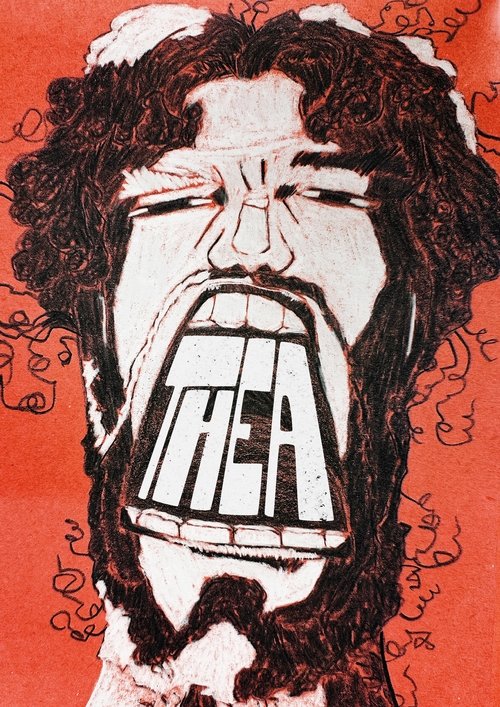
A man kills a monster and a woman becomes a goddess.
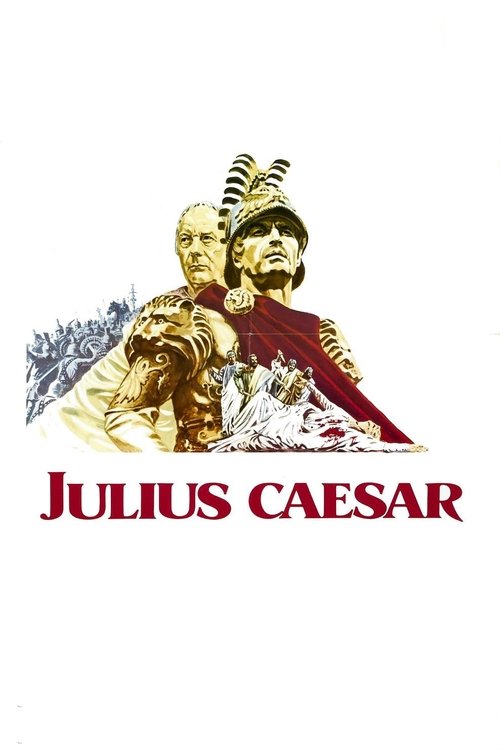
All-star cast glamorizes this lavish 1970 remake of the classic William Shakespeare play, which portrays the assassination of Julius Caesar on the Ides of March, and the resulting war between the faction led by the assassins and the faction led by Mark Anthony.
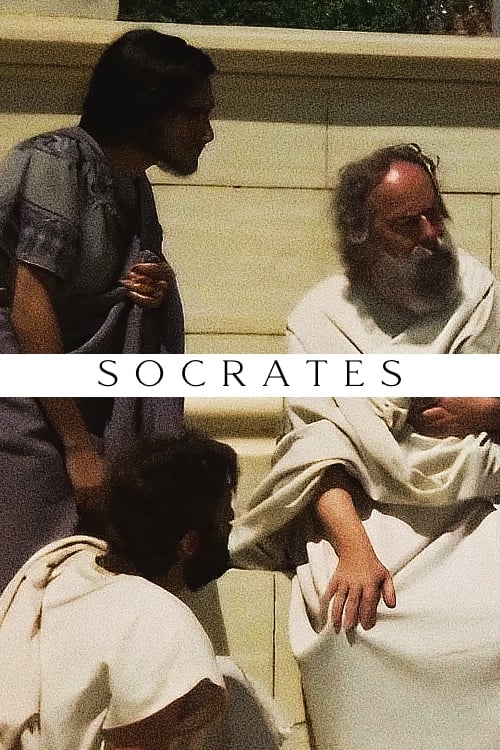
A false accusation leads the philosopher Socrates to trial and condemnation in 4th century BC Athens.
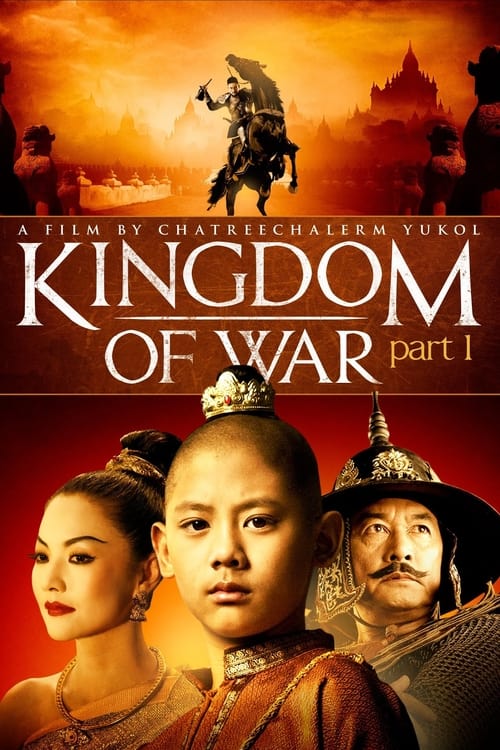
King Naresuan, who liberated the Siamese from the control of Burma. Born in 1555, he was taken to Burma as a child hostage; there he became acquainted with sword fighting and became a threat to the Burmese empire.

23 August 1944. The Romanian Army turns their weapons against Nazi Germany and allies with the Soviets. This is the original version of "The Mirror"(1994), made in the communist era.
The Son of Man has suffered, been rejected by the elders, chief priests, and teachers of the law, been killed, and rose after three days. This is good news to the world, but it is not good news to everyone, for the father of lies has just received word that the tomb is empty, and that death has no power over the sinless Son of god. The Deceiver goes to find out if this is true and what that would mean for what he's dedicated his existence to.

A chronicle of the rise and fall of O.J. Simpson, whose high-profile murder trial exposed the extent of American racial tensions, revealing a fractured and divided nation.

The film tells the story of Raja Ravi Varma at a certain stage in his life. He is in the process of painting a masterpiece. The theme of his painting is Pururavas, the legendary king who fell in love with the heavenly nymph Urvashi, who later agrees to become his wife on certain conditions, but disappears without a trace when she discovers that the conditions were violated. Pururavas wanders all around to find her and ultimately does get united with his lover. Ravi Varma, during his work, finds himself attracted to his model Sugandha Bhai and this relationship begin to acquire certain shades of the legend of Urvashi and Pururavas. Together they are thrown into a torrent of love and passion from which they find it difficult to scape.

Story of Rumi, his friendship with Shams Tabrizi, the love he had for him and the great influence of Shams over him in his life, his poetry and his love for God.

Émilie Jolie follows a young girl who, frightened by the night, opens a picture book to find comfort. She realizes she can interact with the characters, who are all waiting for her to help them find happiness.
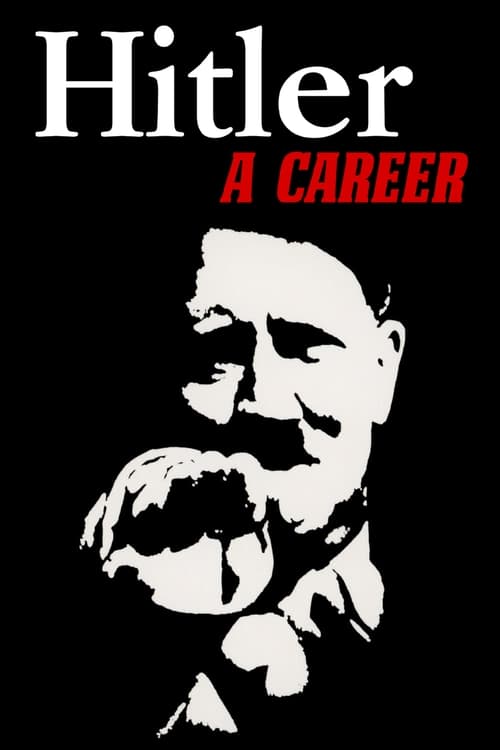
A keen chronicle of the unlikely rise to power of Adolf Hitler (1889-1945) and a dissection of the Third Reich (1933-1945), but also an analysis of mass psychology and how the desperate crowd can be deceived and shepherded to the slaughterhouse.
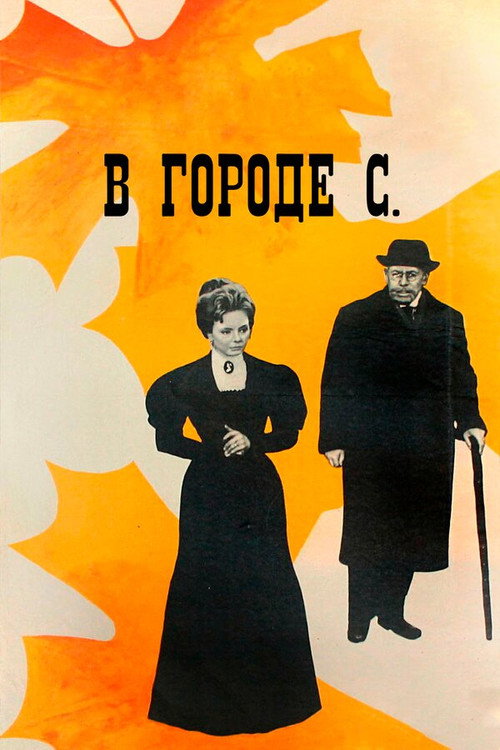
A portrait of a Russian community in the late 19th century based on Chekhov's stories, featuring the author as observer and narrator.
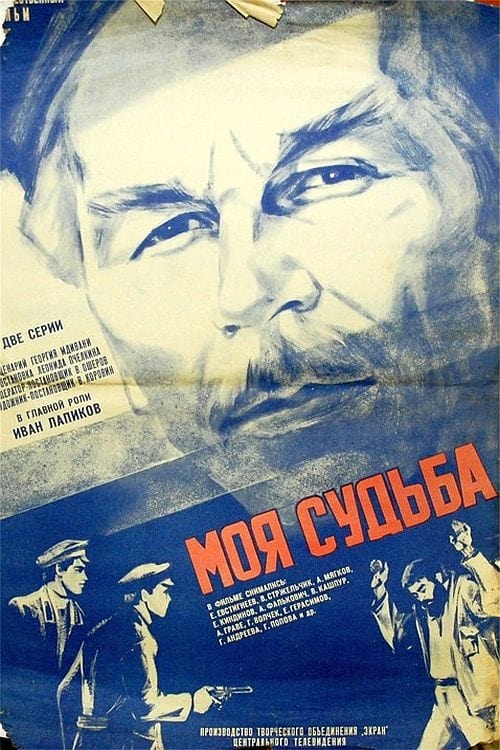
Mikhail Nikolaevich Ermakov has come a long and difficult life path. At the age of nineteen, the student, the son of a worker, was sent on a Komsomol ticket to work in the Cheka. In one of the operations he was seriously wounded. And now, many years later, General Ermakov comes to Moscow and settles in the house where he spent his youth...