Protocol Archives • Browse all History titles in HD

Summer 1900, Switzerland. Elisabeth, 17, is about to take her vows when the sudden death of her older sister forces her to leave the convent and return to the family farm. Stifled by the suffocating and strict rules of the village, walking in her sister’s step to uncover the mystery of her death, Elisabeth is slowly driven to rebel against the local order and for her right to live her life.
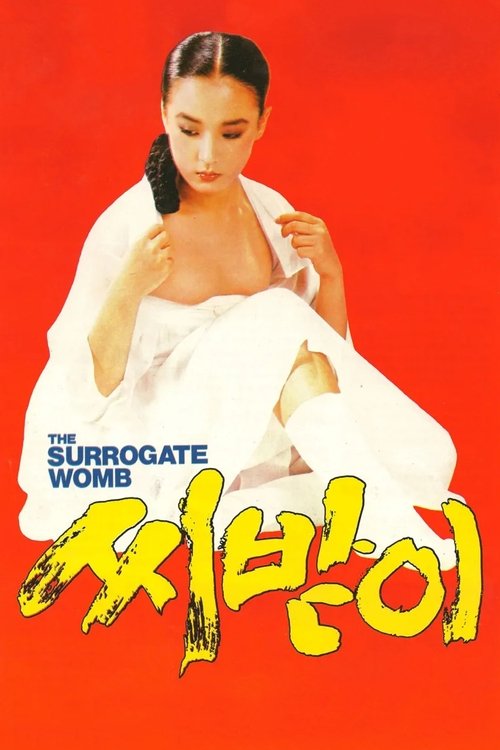
A barren noblewoman encourages her husband to take a young peasant as a surrogate to secure the male line.

A documentary vignette explores the life of Revolutionary feminist and filmmaker Magda Gonzalez Grau, capturing a pivotal interview moment that reveals her evolving feminist politics during the Cuban Revolution.
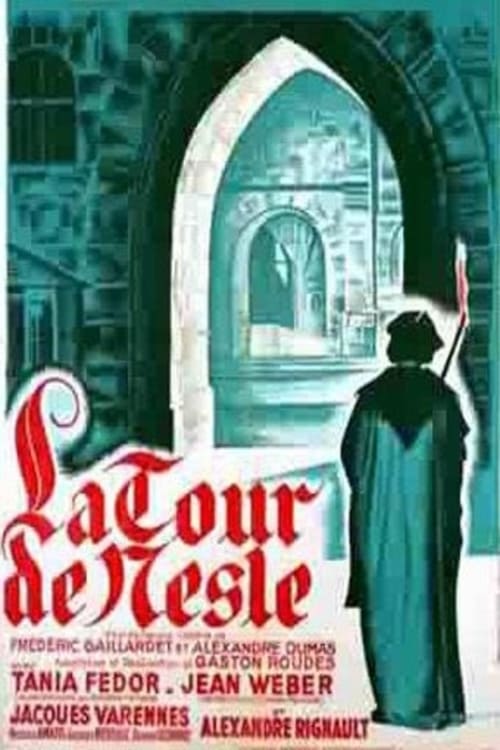
In the 13th century, lovers hurried to the door of Marguerite de Bourgogne. The aristocrat who every day was indulged in orgies that were famous throughout the country. What the suitors do not know is that they will inevitably be executed the day after these festivities and thrown to the Seine.
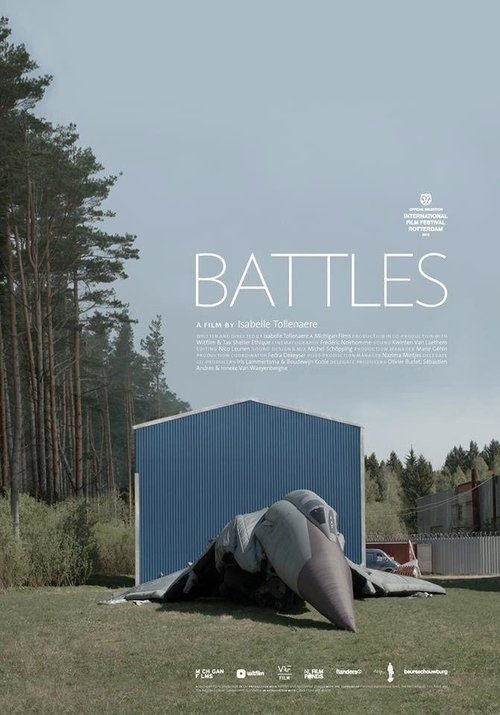
How do Europeans deal with their recent dark history (the wars, dictatorships and occupations)? What traces are etched?

In 1520, the notorious and power-hungry Danish King Christian II is determined to seize the Swedish crown from Sten Sture, no matter what it takes. Meanwhile, sisters Freja and Anne make a solemn promise to seek revenge on the men who brutally murdered their family. Everything comes to a head in the heart of Stockholm, where the sisters are drawn into a ruthless political struggle between Sweden and Denmark that culminates in a mass execution, presided over by the mad King "Christian the Tyrant," known as the Stockholm Bloodbath.
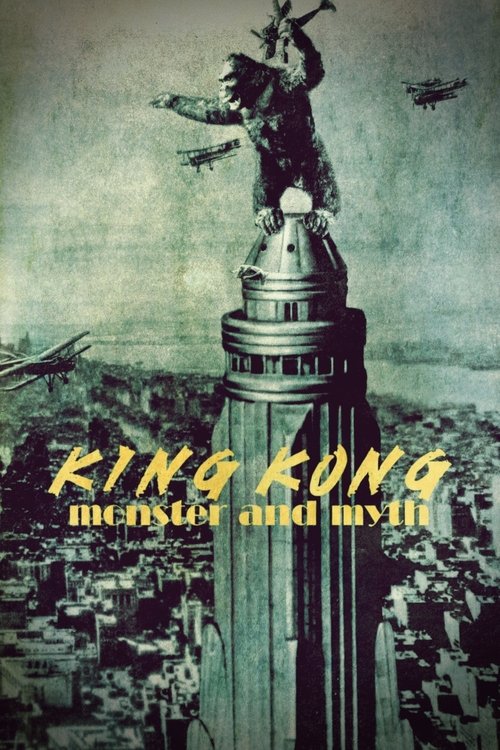
In 1933, Merian C. Cooper and Ernest B. Schoedsack, two audacious and visionary directors, dared to create a motion picture that eclipsed everything seen until then: when King Kong was released, it was celebrated as an artistic and technical revolution and became the first myth created by the young cinematic art.

A feature film that tells the story of the director's grandfather who was forced to leave Crete in the 1920s during the Greek-Turkish population exchange.
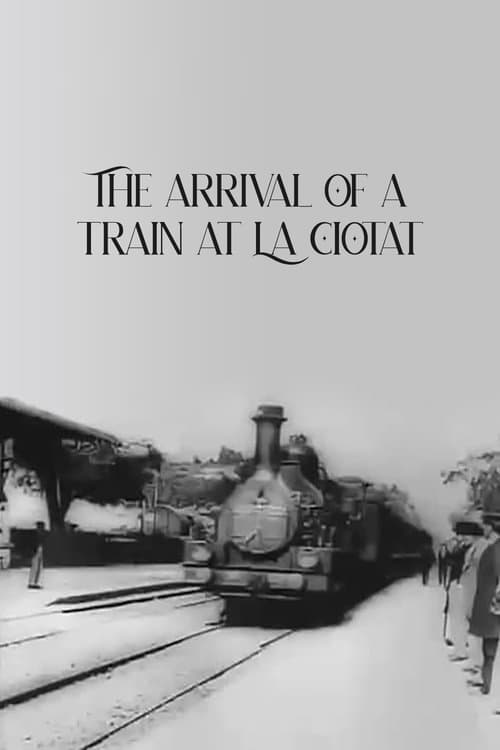
A group of people are standing along the platform of a railway station in La Ciotat, waiting for a train. One is seen coming, at some distance, and eventually stops at the platform. Doors of the railway-cars open and attendants help passengers off and on. Popular legend has it that, when this film was shown, the first-night audience fled the café in terror, fearing being run over by the "approaching" train. This legend has since been identified as promotional embellishment, though there is evidence to suggest that people were astounded at the capabilities of the Lumières' cinématographe.

The story of war veteran Sviatoslav Yavir. He follows the secret train that transports to the Siberia Ukrainian women, including his wife and daughter, repressed by the totalitarian regime.
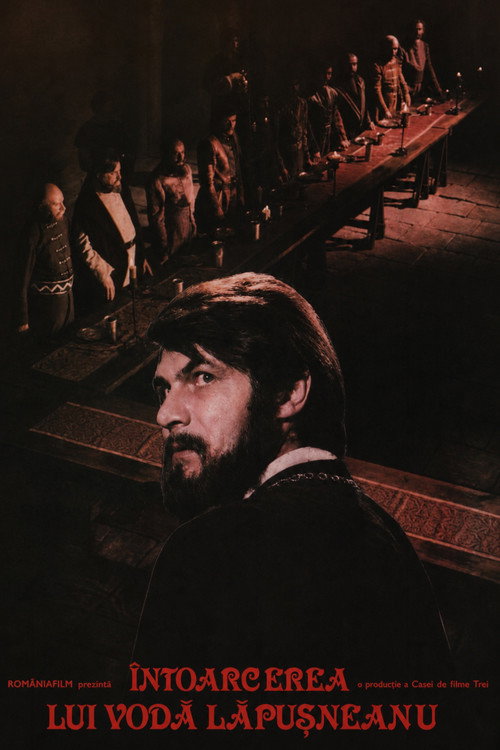
Alexandru Lapusneanu is one of important Moldavian rulers. A Macbeth figure, who obtains his throne in fight, who reeves any possible danger out of his way, a good "hospodar", husband and father. His reign is result of relation with the Great Powers of the XVIth century. The strain relation with the boyars (noblemen), the economic and spiritual contribution in the country's development, tensions of his own family, the loss of reign and the revenge, the second reign are elements for define the man and the prince like touching character
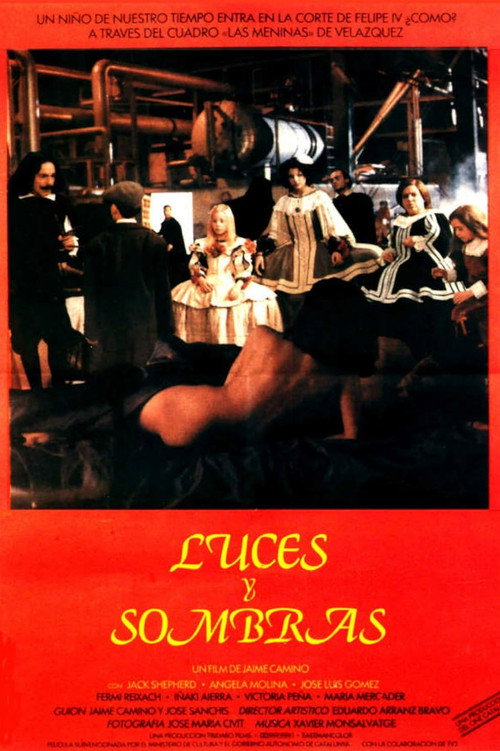
This film within a film is based on the painting Las Meninas by Diego de Velazquez. A young boy enters the canvas of the famous picture of the Spanish king and his court. In order to return to the real world, he must convince the artist to create his famous painting. The other plot involves a film director who is not sure how his film within a film will be created. He is distracted by his troubled marriage and has difficulty focusing on his project.
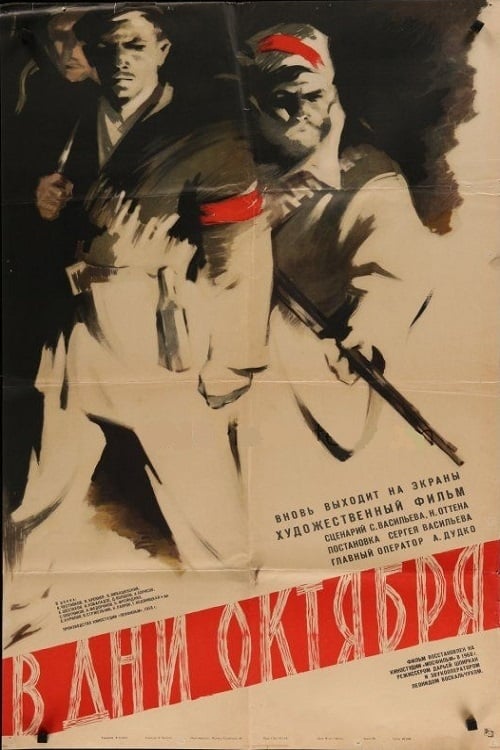
Historical drama depicting the events leading up to the 1917 October Revolution produced to celebrate the 40th anniversary.

In 1933 New York City, Benny Lipman is a young Jewish gangster rising through the mob scene alongside notorious figures including Meyer Lansky, Bugsy Siegel, and Lucky Luciano. When breaking up local Nazi rallies isn't enough, Benny devises a daring plan to infiltrate Germany and assassinate Hitler by luring him into an art gallery—and even persuades his bosses to back the mission.
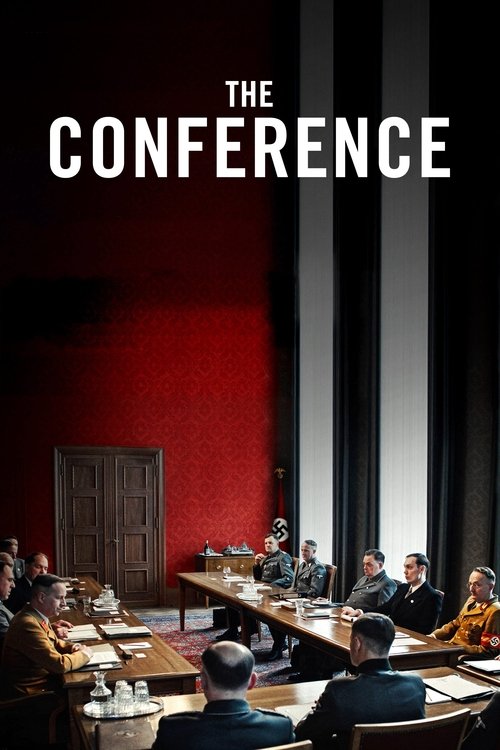
On January 20, 1942, the Wannsee Conference takes place in Berlin, a meeting that had only one item on the agenda: The Final Solution, the organization of the systematic mass murder of eleven million European Jews.
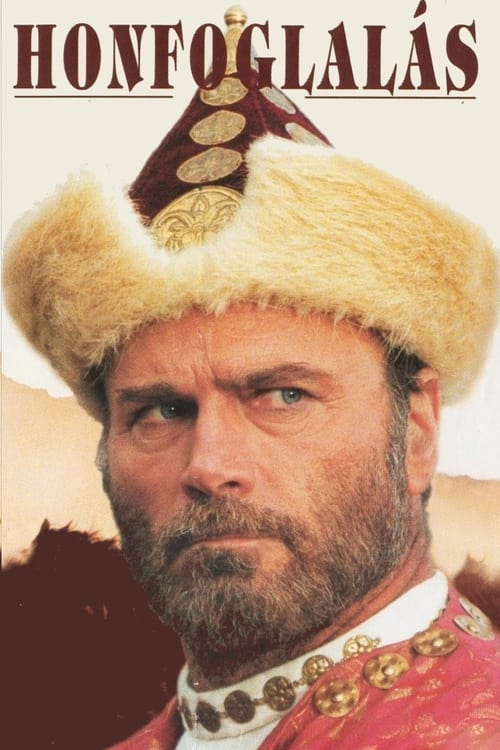
Filmed in commemoration of Hungary's 1100th anniversary and on the sites of the actual events, a cast of thousands authentically recreates the 896 AD arrival of the Magyar chief Arpad (Nero) and his seven tribes into the Carpathian basin from the steppes.
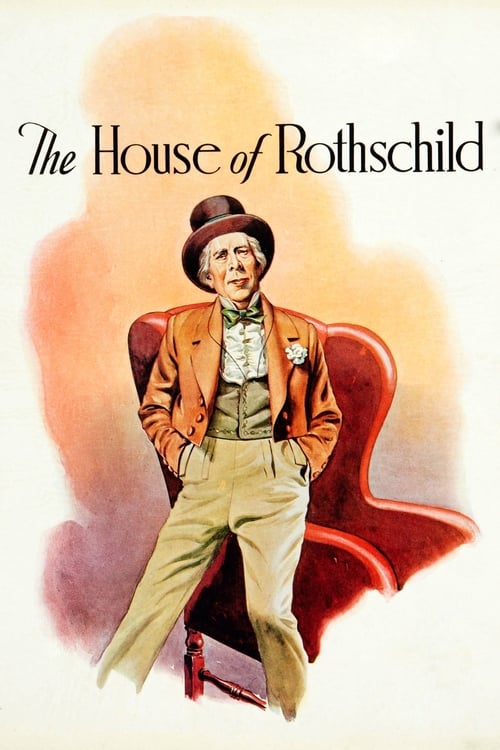
The story of the rise of the Rothschild financial empire founded by Mayer Rothschild and continued by his five sons. From humble beginnings the business grows and helps to finance the war against Napoleon, but it's not always easy, especially because of the prejudices against Jews.

The film is adapted from the 1961 Bollywood film Stree.

As a “free colored” woman, Anna Elizabeth Heegaard is wealthy and owns her own slaves when she begins a love affair with the Danish colony’s governor-general Peter von Scholten. During communal feasts, they discuss social reforms while a slave boy hangs above the table and cools the diners with a feather. And in the shadows, whispers begin of a slave revolt.
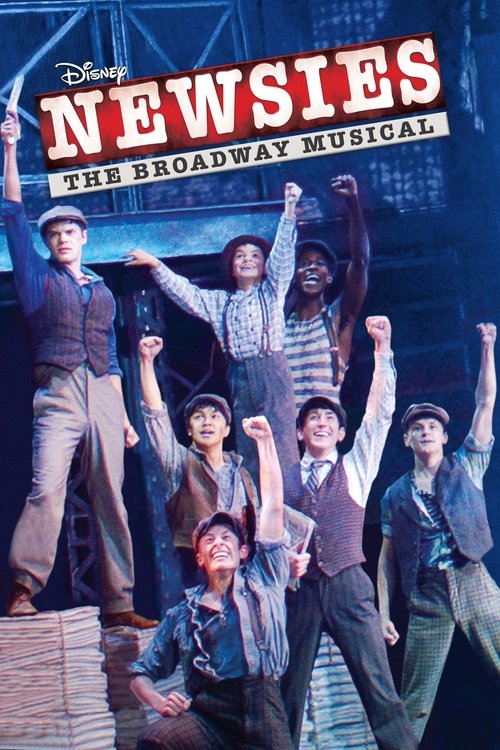
A week in the life of the exploited, child newspaper sellers in turn-of-the-century New York. When their publisher, Joseph Pulitzer, tries to squeeze a little more profit out of their labours, they organize a strike, only to be confronted with the Pulitzer's hard-ball tactics.