Protocol Archives • Browse all War & Politics titles in HD

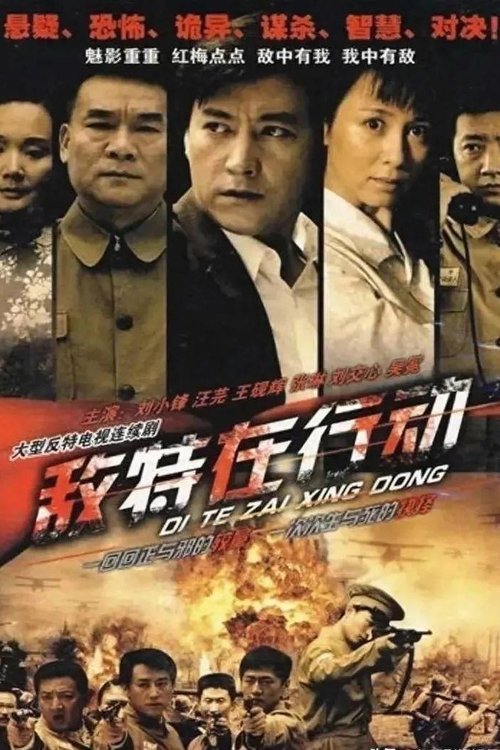
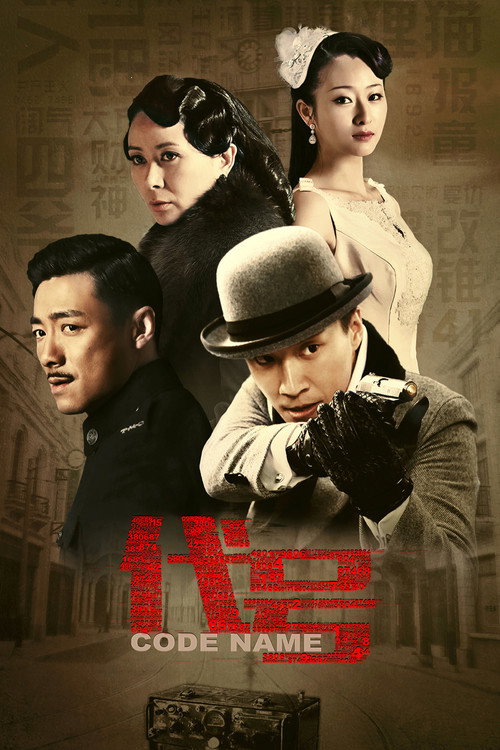
In 1941. Feng Jiusi, the young police officer working within the British Concession, witnessed the death of a member of the underground Chinese Communist Party and was unfortunately marked as a suspect by the CCP. Meanwhile, the Japanese were amid clearing the anti-Japanese factions in Tianjin as they prepared to take over the British-French concession. As an undercover CCP member in the police force, Feng Jiusi must prove his loyalty to the CCP as he works to uncover the plot of the Japanese.
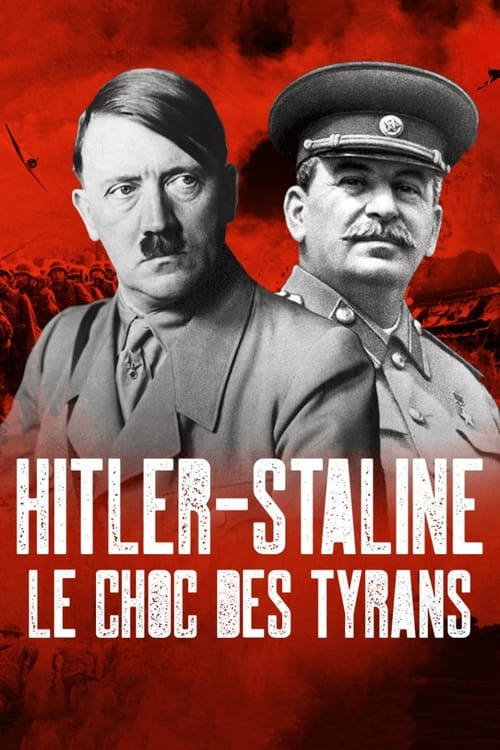
On 23 August 1939, the world was shocked to discover that Hitler and Stalin, the most intractable of their enemies at the time, had signed a pact that allowed them to divide Poland between them and gave the Nazi leader complete freedom to concentrate his forces in the West, against France and the United Kingdom. Through this agreement, Europe was to be thrown into war. For a long time, the relationship between Hitler and Stalin was ignored: their mutual fascination, their moves to get closer, the marks of confidence they exchanged and all the benefits they derived from the German-Soviet pact, before resuming their war to the death in June 41 with the "Barbarossa" operation.
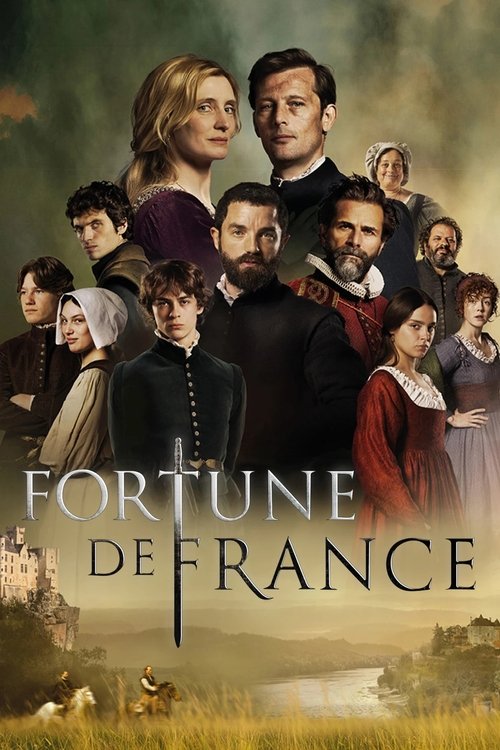
1557, The Wars of Religion threaten France. Behind the ramparts of the castle of Mespech, surrounded by a dangerous, hostile and intolerant world, the Siorac family fights for its survival and its convictions.
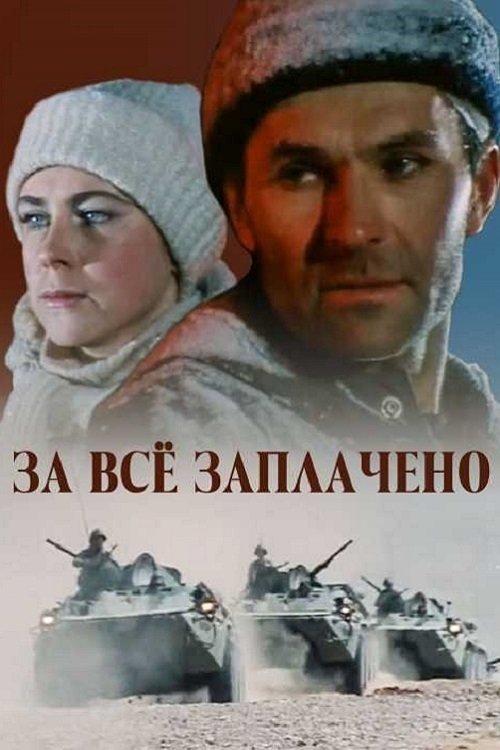
All Costs Paid is a Soviet TV miniseries produced by Studio Ekran. The director Aleksei Saltykov well known for his film The Chairman with Mikhail Ulyanov, an acclaimed Russian actor playing a main character. All Costs Paid is one of the first Soviet feature films that shows the war in Afghanistan. Film has unusually truthful point of view on that period of Soviet Era and on the Soviet war in Afghanistan.
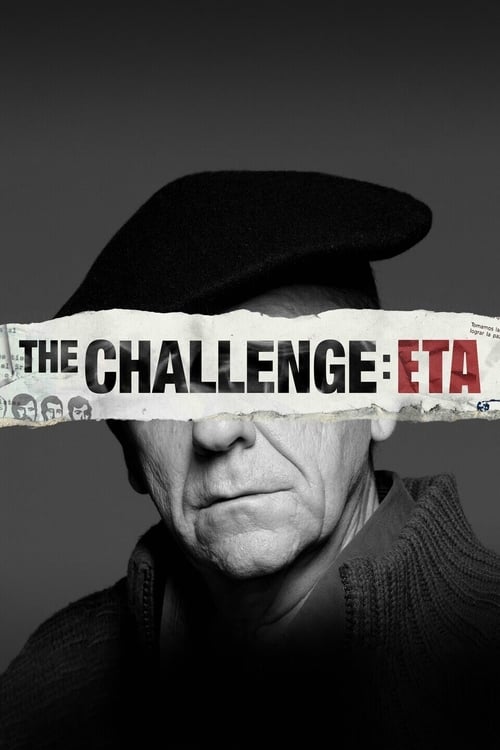
The story of how the Guardia Civil, a militarized police force, fought for nearly half a century against ETA, a ruthless terrorist gang dedicated to murder, kidnapping, extortion and arms and drug smuggling while cynically demanding independence for the Basque Country in northern Spain.
In 1960s South Vietnam, an undercover agent slowly works his way up through the ranks of Ngô Đình Diệm's administration to become one of its most prominent advisors
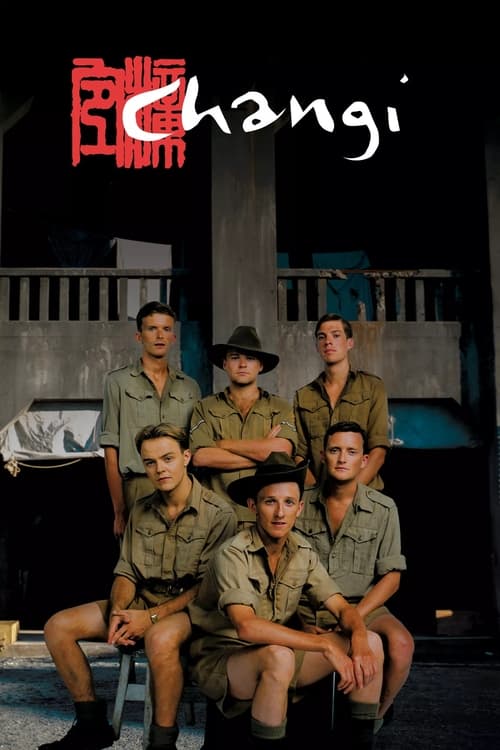
Six young Australians go to war, full of confidence and bravado. They land in Singapore in 1942, just in time for surrender. With 15,000 others, they are marched off to Changi prison camp. Together, the six boys survive three and a half years of incarceration. Almost sixty years later, the six prepare to get together for what may be their last hurrah.
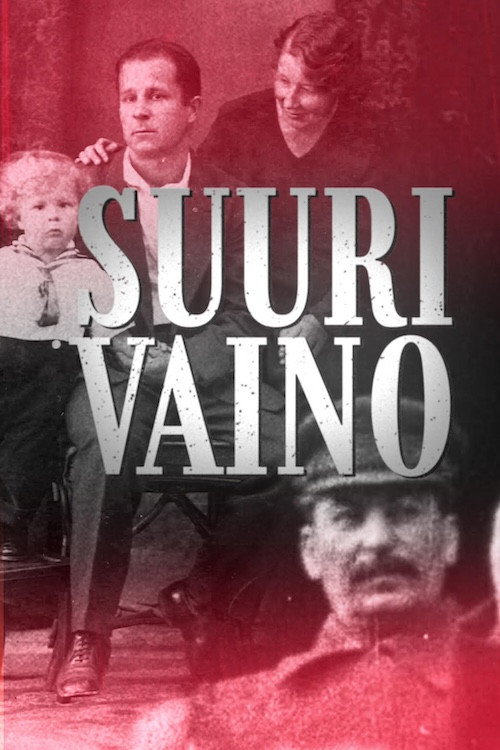
The Great Purge orchastrated in the Soviet Union during 1937-38 cost almost 700 000 lives. Especially ethnic minorities were targeted. Four-part documentary tells the story of what happened to the people living the Soviet Union, and how the terror was built in the red dictatorship.

On June 7, 1968, ETA assassinates José Pardines, a Guardia Civil officer. On May 3rd, 2018, a communiqué from the terrorist gang announces the dissolution of its structures. Fifty years of terror, fear, pain, truces, negotiations and 826 deaths lie between the two dates.
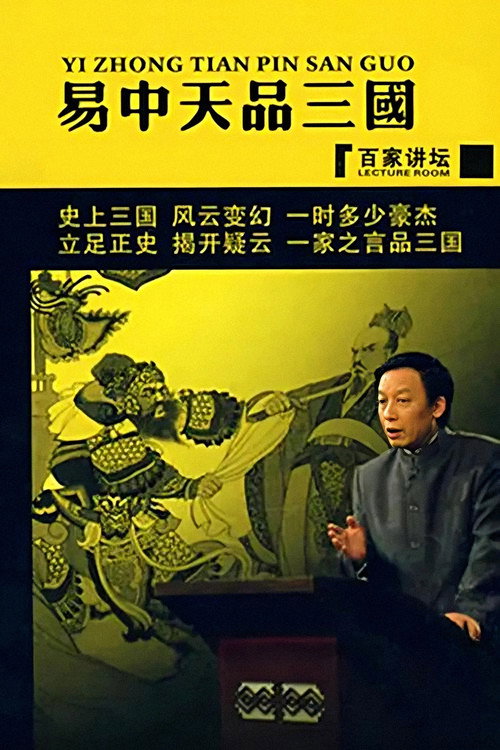
CCTV-10 Lecture Room series: Pin San Guo (品三国; Analysis of the Three Kingdoms). "Yi Zhongtian's Analysis of the Three Kingdoms" is a CCTV-10 historical broadcast program and one of the "Hundred Forums" series. The main speaker, Yi Zhongtian, restored the real Cao Cao, defended Zhou Yu's false accusations, spoke up about Zhuge Liang, and re-evaluated Sima Yi. When talking about the world, there are only three points of gossip. Discuss the merits and demerits carefully, and summarize the gains and losses of successes and failures. Professor Yi Zhongtian of Xiamen University will use stories to tell characters, characters to tell history, history to tell culture, and culture to tell human nature. Discuss the major events of the Three Kingdoms and carefully analyze the success and failure of the heroes. Professor Yi Zhongtian will explain it from a civilian perspective.
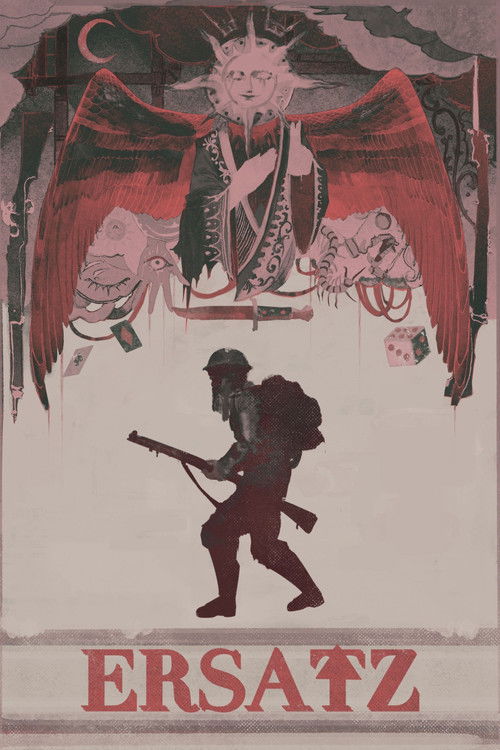
When a nameless amnesiac wakes up in a bunker, they're immediately thrust into the trenches of an endless war. The Crown Army demands service from every soldier, regardless if you can remember your own name... or even how you got here at all.
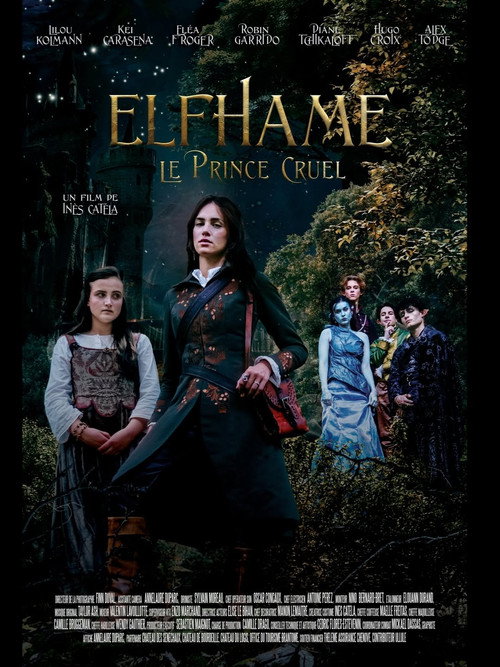
Jude is 17 years old and lives at the High Court of Domelfe in the kingdom of Terrafae. Kidnapped from the mortal world when she was just a child and raised alongside her sisters among the powerful folk, she has learned to protect herself from enchantments and to fight with a sword. Yet, day after day, she endures mockery and insults.
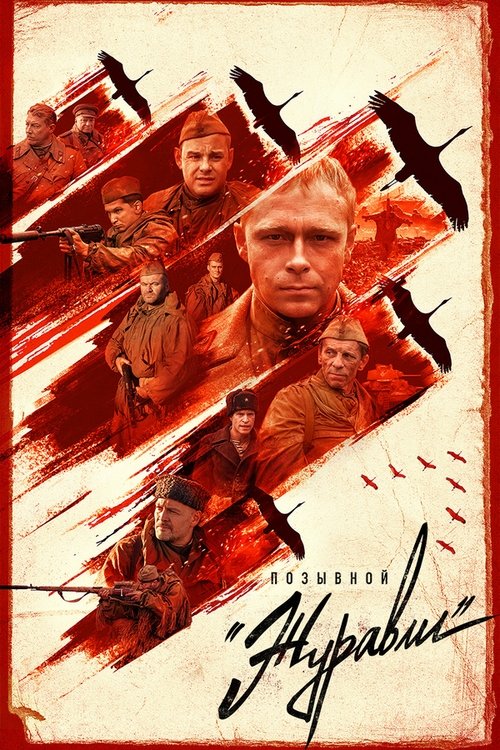
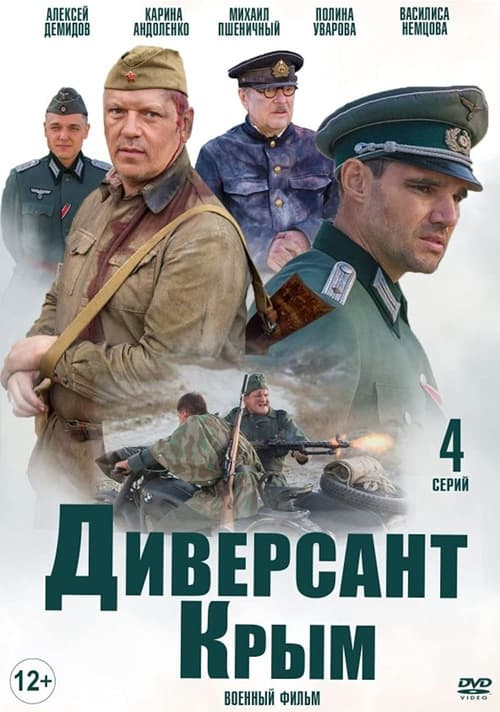
Their call sign is "Cranes", but in the regiment they are affectionately called "cranes". Many consider the platoon to be "charmed", because its fighters manage to perform the most difficult tasks, take "tongues" and carry out sabotage behind enemy lines, returning even from the most disastrous situations. However, in reality, not everything is so simple: outings often end in failures, wounded and dead friends have to be borne by themselves, and each new task turns into a game with death. Their enemy is always treacherous, but resourcefulness, ingenuity and the help of friends help them not to lose faith in their cause and in victory.

World War II was marked by its epic battles, which decided the fate of nations and changed the course of history. From Germany's Blitzkrieg attacks on Poland that launched the European campaign to the Allied invasion of Berlin that signaled its violent end, we bring these seminal conflicts to life through never-before-seen colorized combat footage. This six-part series puts you in the center of the action through rarely scene films from the frontline plus personal memoirs and oral histories from both sides of the battle lines.