Protocol Archives • Browse all War & Politics titles in HD
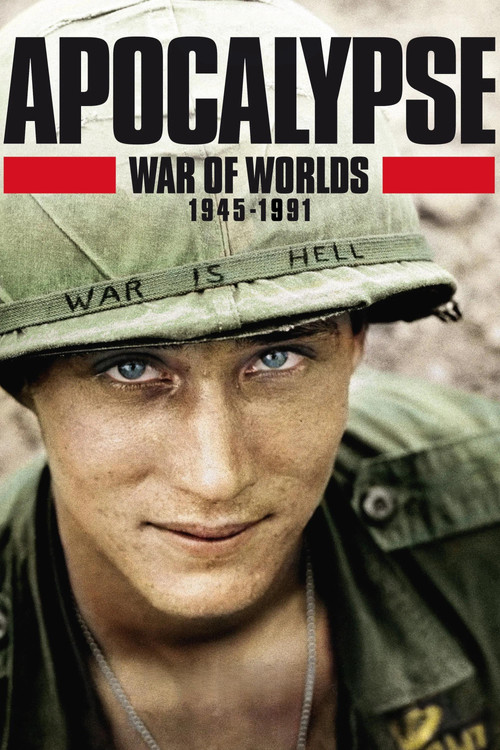
The story of this fantastic period of history between 1945 and 1991, which was defined by the confrontation of two worlds and two systems. The capitalist West, dominated by the ever-powerful United States, is pitted against the Communist East, the Soviet Empire.
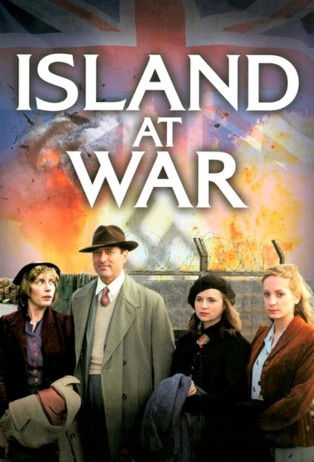
Island at War is a British television series that tells the story of the German Occupation of the Channel Islands. It primarily focuses on three local families: the upper class Dorrs, the middle class Mahys and the working class Jonases, and four German officers. The fictional island of St. Gregory serves as a stand-in for the real-life islands Jersey and Guernsey, and the story is compiled from the events on both islands. Produced by Granada Television in Manchester, Island at War had an estimated budget of £9,000,000 and was filmed on location in the Isle of Man from August 2003 to October 2003. When the series was shown in the UK, it appeared in six 70-minute episodes.
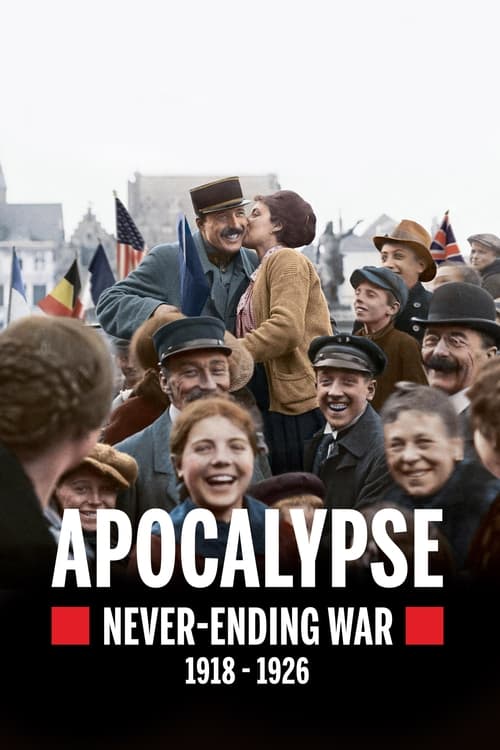
November 11, 1918. The world emerges from the most horrific conflict ever known. While leaders of the victorious countries design a new world order, traumatized societies struggle to find their footing. In the aftermath of war the Russian, German, Austro-Hungarian and Ottoman Empires fall apart, currencies fluctuate wildly, and vast numbers of refugees flee misery. Before long, age-old hatreds, fears, and resentments resurface and drive the world to the brink of a new apocalypse.


Die Abenteuer des braven Soldaten Schwejk is an Austrian television series. Schwejk is a bumbling fool (he claims to have been discharged from the army on the grounds of being a certified idiot) but manages to outwit his superiors and his arch nemesis, the secret policeman "Bretschneider" with hilarious results. Set during the first world war, it follow Schwejks adventures as a recruit in the Austro-Hungarian army.

How, from the 1920s to the present day, financial power has gradually strengthened a hidden alliance with criminal organizations around the world.
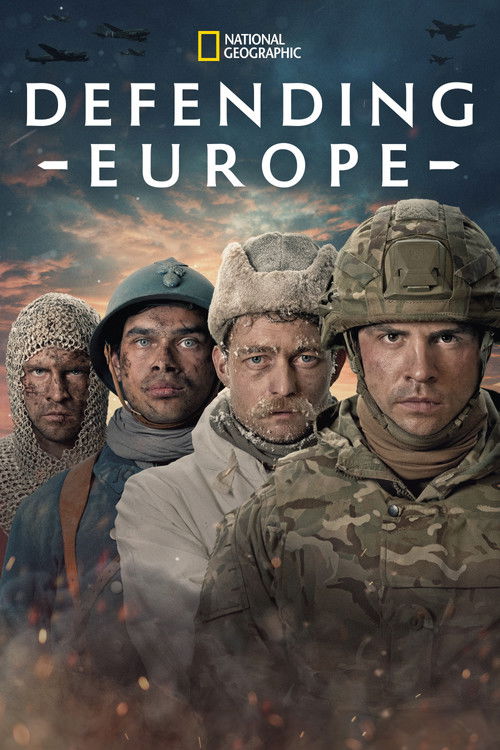
Exploring defensive strategies, weapons and structures used across Europe over 2,000 years, shedding light on forgotten histories that shaped modern borders.

Adventures of a small boy with a big heart and lots of courage during the Nazi occupation of Vojvodina.
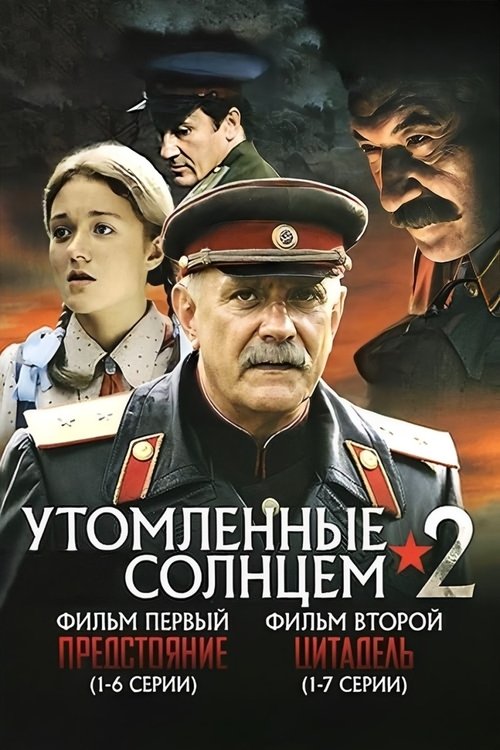
Former commander Kotov, unjustly convicted in the 30s as an enemy of the people, miraculously survived and was sent to war by an ordinary ordinary soldier of the penal battalion. He fought like everyone else: in mud, cold and hunger, without looking into the future for more than one day, and even that he had to be able to live. To live and survive in the hell that was the military front line. His faith saved him. Faith in his country, faith in God and the faith of his daughter Nadia that the father is alive…

With the successive defeats and failure of Iranian forces during the imposed war, Ali Hashemi and Hamid Ramezani establish the top-secret "Nusrat" reconnaissance base to use the local forces of the region to identify the Great Horus and prepare the ground for carrying out an innovative military operation.
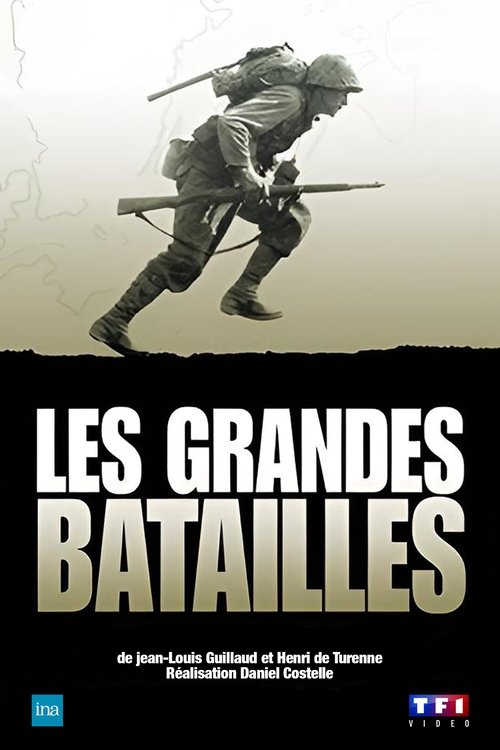
Les Grandes Batailles is a series of historical television programs by Daniel Costelle, Jean-Louis Guillaud, and Henri de Turenne, broadcast on French television in the 1960s and 1970s, depicting the major battles of World War II, as well as the Nuremberg Trials. The project for the series actually began with an official government commission for a program on the Battle of Verdun in 1966. Ten other programs about World War II followed. The writers and producers of the series were Henri de Turenne and Jean-Louis Guillaud, both journalists. They entrusted the production of the series to the young director Daniel Costelle.
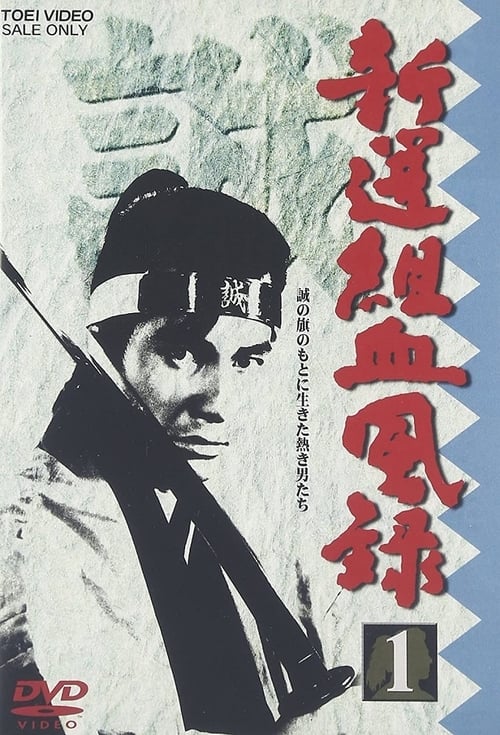
The arrival of Matthew Perry's Black Ships rudely awakened Japan from 300 years of isolation from the world. Men set their eyes beyond Japan and began to demand change in society. Old clashed with the new, and thus began an age of turmoil. Amidst this confusion, one group remained true to the old ways and risked their lives to preserve the traditional shogunate system. Led by their charismatic captain, Kondo Isami, the Shinsengumi upheld the code of honor of the samurai. Tales abound of the feats of men like Kondo, Hijikata Toshizo and Okita Soshi. In general, the passion and glory of these men who lived during these turbulent times in Japanese history are given exploration.
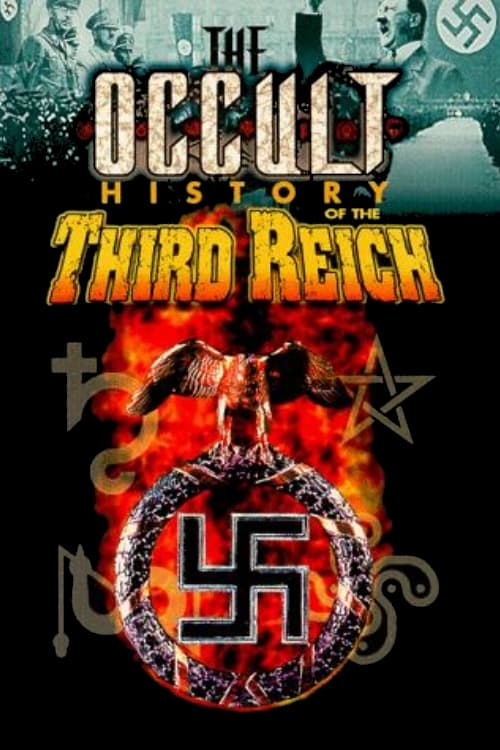
Documents both the influences of alternative belief systems on the Nazi ideology and Hitler's personal philosophy, and the history and development of the ideas and symbols that would be used along with eugenicist racial politics to perpetrate the murder and oppression of millions during World War II.
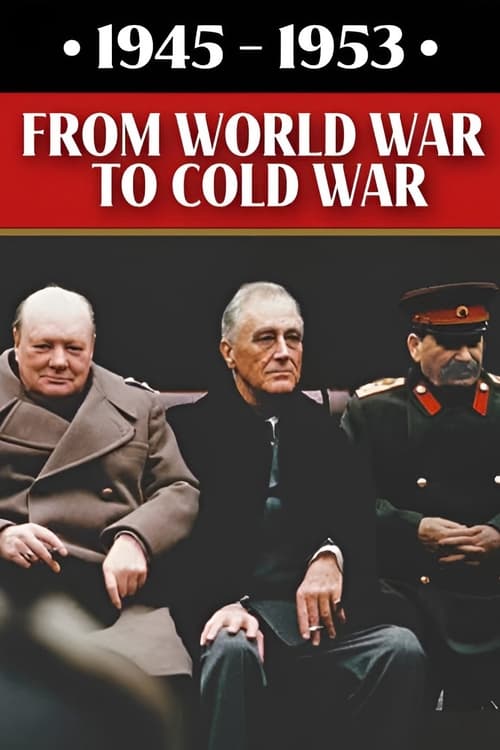
At the outset of the Yalta Conference on February 4, 1945, the «Big Three» were all optimistic: victory was in no doubt, and the accord that they had achieved seemed likely to preserve the values they had fought for. However, in just a few months, nothing would remain of this agreement apart from irreconcilable differences. United in war, the Allies would reveal themselves as divided and rivals in peace. How can such a rapid failure of a real effort at entente be explained? With the Yalta Conference in 1945 to 1953, discover a new world order drawn up by three men, looking for a lasting peace... that would lead inevitably to the Cold War. Combining archive footage, photographs, original letters and unique testimonies, these two episodes revisit this crucial period in History. A full immersion into postwar years and an emerging new world order.