Protocol Archives • Browse all Kids titles in HD

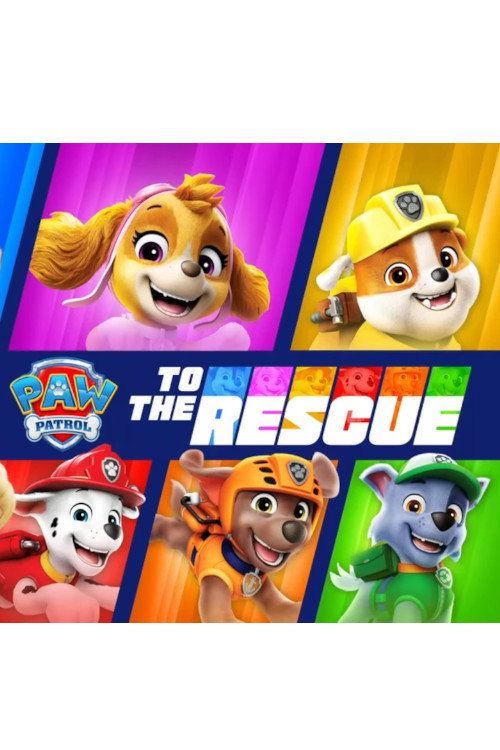
PAW Patrol: To The Rescue is a mini spin-off web series based on PAW Patrol. It consists of 2-minute and 30-second shorts that are released by the PAW Patrol Official & Friends YouTube channel on Saturdays.
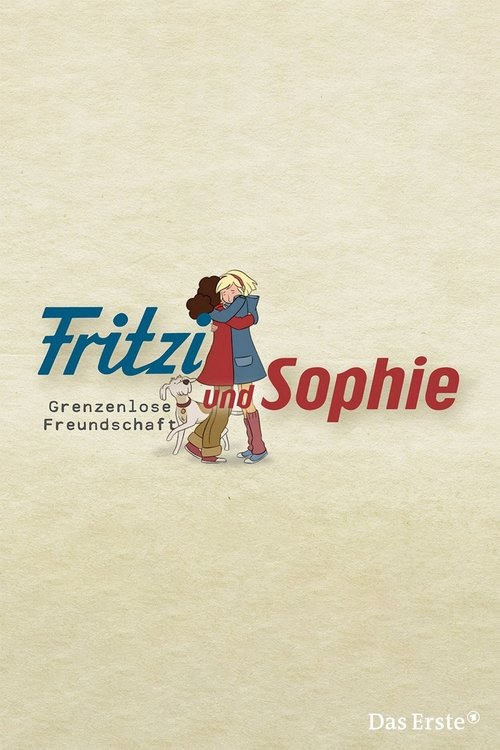
Leipzig in 1989 – Germany divided into East and West. The twelve-year-old friends Fritzi and Sophie don't care much about this - until Sophie has to flee to the West with her mother. There she struggles with prejudices against 'those from over there', but above all with her homesickness. Fritzi's attempt to at least bring Sophie her dog Sputnik fails because of the heavily guarded border. Fritzi realizes that only the fight for freedom in her country can bring the two of them together again.
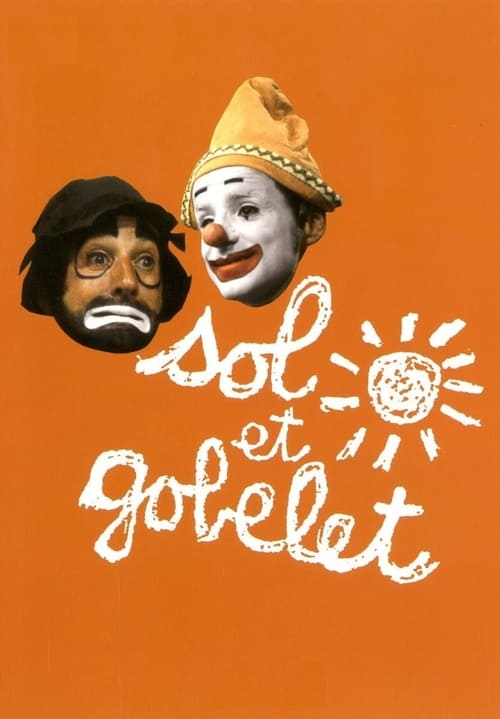
Sol et Gobelet was a French language children's television show made in Quebec. Its stories revolved around the adventures of clowns Sol and Gobelet.
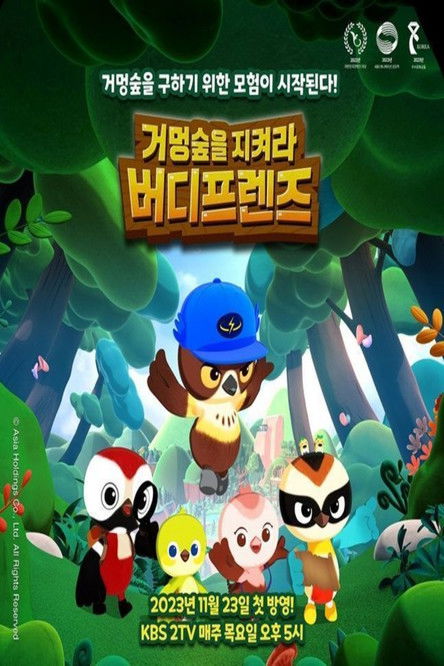

Nameko Forest gathers nameko from all over the world. They form the Nameko Universal Ranger (NUR) to convey the charm of the forest. It's an everyday life of inviting new nameko with unique personalities to the forests. What incident will happen today?
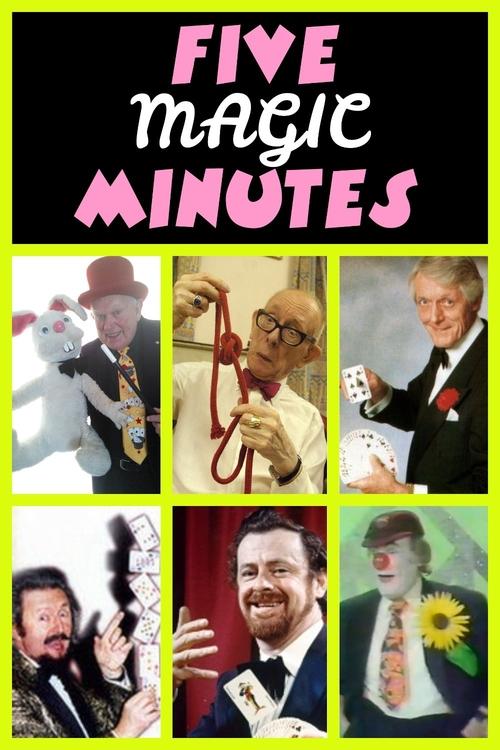
Magic show featuring a range of famous acts including Ali Bongo and Alan Shaxon, shown during ITV's children's 'Watch It' slot in the early 80s.

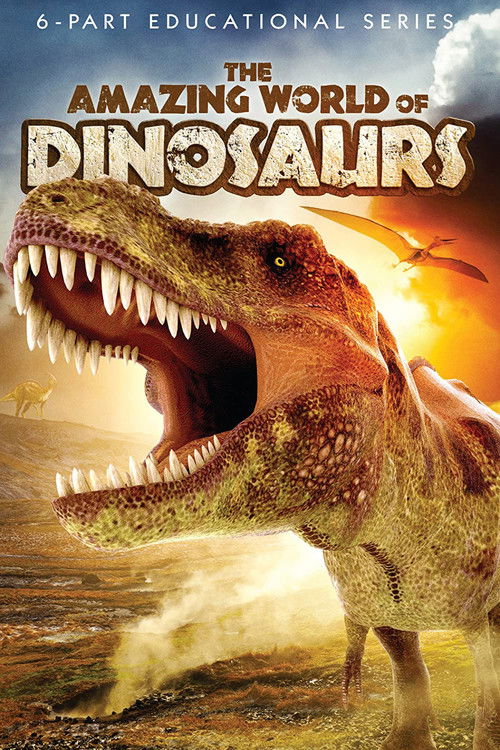
Join Anna and Tyler, your teenage hosts, as they take kids on a prehistoric journey to learn everything they ever wanted to know about dinosaurs. Dinosaurs were, by far, the most diverse and amazing animals that ever walked the Earth. Some dinosaurs were as big as trees ... Others were smaller than a chicken ... Some had big sharp teeth ... Some had hundreds of tiny flat teeth ... And some had feathers while others had scales. Because of this diversity, dinosaurs were the most successful land-dwelling animals that ever lived. They lived everywhere on the Earth in every type of environment ... They adapted to almost any condition. They were some of the first creatures that lived on Earth.


Trade-offs was an AIT program designed to improve economics instruction in the United States and Canadian schools. The series of fifteen lessons, for children from 9-13, helped students think their way through economic problems and increased their understanding of economics. On a broader scale, it helped them become more effective decision makers and ultimately more responsible citizens. Each lesson consists of a 20-minute color television/film program plus teacher's guide material to facilitate classroom follow-up. Each program begins with a short segment that identifies key points that students and teachers should watch for. This is followed by the dramatization of a fundamental economic problem relevant to the daily life of the student. Special visuals emphasize the economic principles and reasoning processes involved. The last portion of the program introduces, but does not resolve, another problem, and ends by posing a question to the viewers.