Protocol Archives • Browse all Kids titles in HD
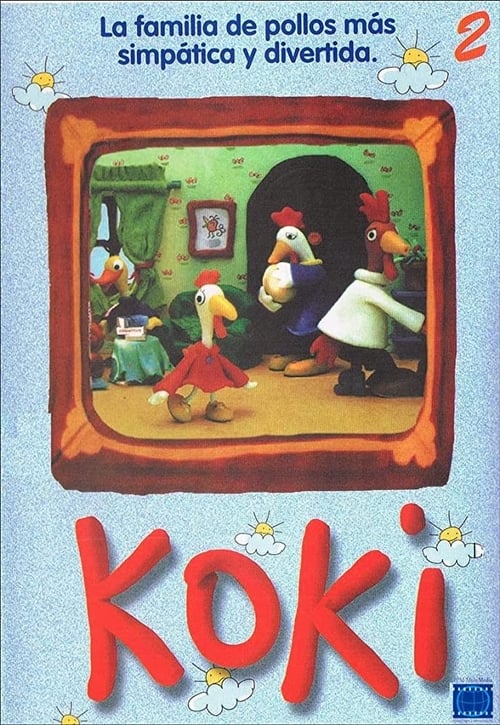
The life of an infant school child is anything but simple, especially if you are a chicken. Koki is a series about a family of chicken. It features a little hen named Koki whose life is presented in a similar war to that of pre--school child. She is learning the family responsibilities that come as she grows older, and how to interact with her friends. She also discovers the joys and trials of having a younger sibling, presently an egg who happens to be quite a handful. This clay-animation series about a young chicken, her family and the best friends, teach lessons about conflict resolution, responsibilities and respecting others.

Get ready for incredible experiments and mind-bending puzzles to impress your friends. Owain and Tilly are here to explore epic science tricks to try at home and showcase new technology innovations from around the world!

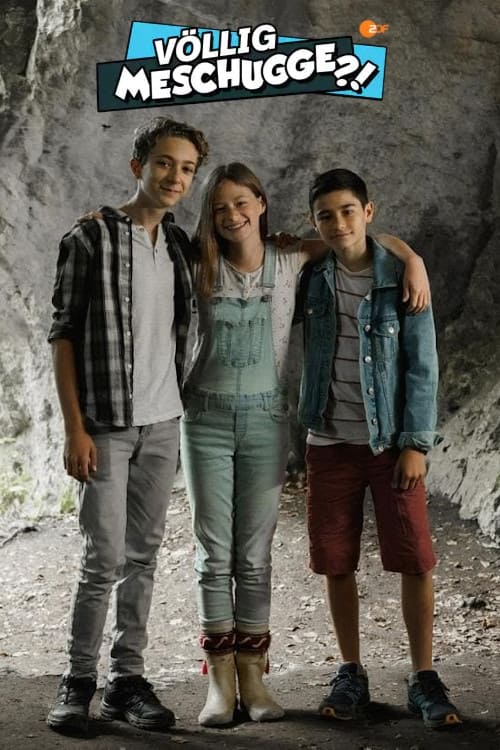
Charly and Benny are great friends. Hamid, who came from Syria as a refugee child, is also one of them. But the carefree days of childhood end when Benny's grandfather dies and his grandson inherits a necklace with a Star of David. For Benny it's just a bond, but for some kids from school just looking for a fight, it's the perfect meal. The three get caught up in a web of racism, bullying and anti-Semitism.

A series of five of Eric Carle’s most popular stories which bring the wonders of the world surrounding young children into focus.

Let's Pretend was a 1980s children's television series aimed at preschool ages. It was shown across the ITV Network at 12.10 on Tuesdays, then later Mondays, replacing the popular Pipkins which had been cancelled at the end of 1981. Like its predecessor, each edition was fifteen minutes long, and the programme was produced using many of Pipkins' personnel such as puppeteer Nigel Plaskitt and producer Michael Jeans. Each week the presenters would find a number of ordinary household items and contrive to produce a short story featuring them all. The first programme, "The Story Of The Broken Puppet", was shown on Tuesday 5 January 1982 by Central Television. The show aired weekly until 1988. The show's original opening titles featured items moving along a conveyor belt into the mouth of a large plastic whale, and later a puppet caterpillar moving along the screen.


Learn the alphabet with Olive and the Rhyme Rescue Crew. Created by the Emmy Award-winning Peach Blossom Media, and head-writer of Mickey Mouse Clubhouse, Leslie Valdes, this unique series teaches the alphabet using your favourite nursery rhymes. Every episode is designed to engage and enrich your young audience, teaching them interesting and useful vocabulary through song and dance. Created by the Emmy Award-winning Peach Blossom Media, and head-writer of Mickey Mouse Clubhouse, Leslie Valdes, this unique series teaches the alphabet using your favourite nursery rhymes. Every episode is designed to engage and enrich your young audience, teaching them interesting and useful vocabulary through song and dance.

An animated, action-adventure series about a group of indigenous tweens who use their ancestral superpowers to battle evil.

You have got Sherm! He appears to be a typical adolescent trying to get through the day. As if dealing with all the troubling teenage anxieties, insecurities and urges is not enough, Sherm‘s got a problem additionally. He‘s got... Germs. Thanks to a laboratory experiment gone awry, Sherm‘s Germs have become his live-in, self-appointed best friends... Five non-infectious Germs. Slimy. Gelatinous. Inappropriate. Clueless. Opinionated. Flatulent; these Germs have removed the word „normal“ from Sherm‘s vocabulary.
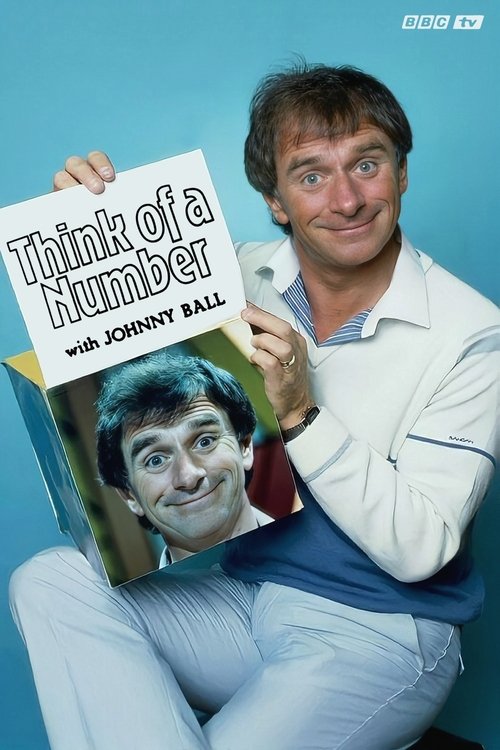
A light-hearted exploration of maths and science, presented by Johnny Ball.


Xiao Ming was born in an ordinary working family, his mother is a saleswoman in a shopping mall and his father is an ordinary accountant. In order to make her son outstanding in the future, her mother is busy enrolling Xiao Ming in various training courses, and Xiao Ming, who has just entered the second grade, suffers a lot. Ming is in the middle of his class, and his favorite teacher is the pretty and nice teacher, Li. At night, a strange thing happens. After falling asleep, Ming is dragged by a pair of invisible hands into the wall, where the omnipotent Wang Cat lives, who can make Ming appear anywhere he wants to go. The cat can also turn back time and make things that have been done start over again, and allows Ming to have strange “life experiences. Ming adores WangCat and often tells him about the things that happen on earth during the day, but WangCat has his own ideas!

A cuddly bunch of stuffed dinosaurs seek adventure and knowledge of the amazing world around them. Our adorable friends support one another as they take on hard topics and learn about life in the soft, cozy, crafted world of the Stomping Grounds.
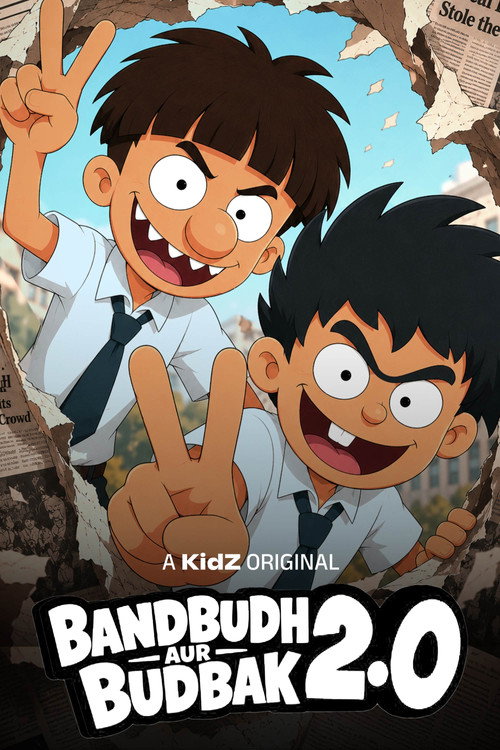
Badri and Budhdeb turn modern school life into nonstop fun, chaos and adventure.

Roys Bedoys is an ongoing kids cartoon series made primarily written, narrated, and voiced by Christine Há, an American author and educator of Vietnamese descent and its art was created by Eric Ha. The series started on February 11, 2019 (however, the first book of which the cartoon was adapted from was apparently published two days prior on February 9, 2019). Originally, a new episode would release every Friday and sometimes also on a Wednesday and then every two weeks on Friday, and now episodes are released every two Saturdays. This series has over 200+ episodes.

BeyWheelz: Powered by Beyblade, commonly referred to as BeyWheelz is a anime mini-series based on the, Hasbro toyline, BeyWheelz. It was commissioned by Nelvana and is produced by Synergy SP and d-rights.
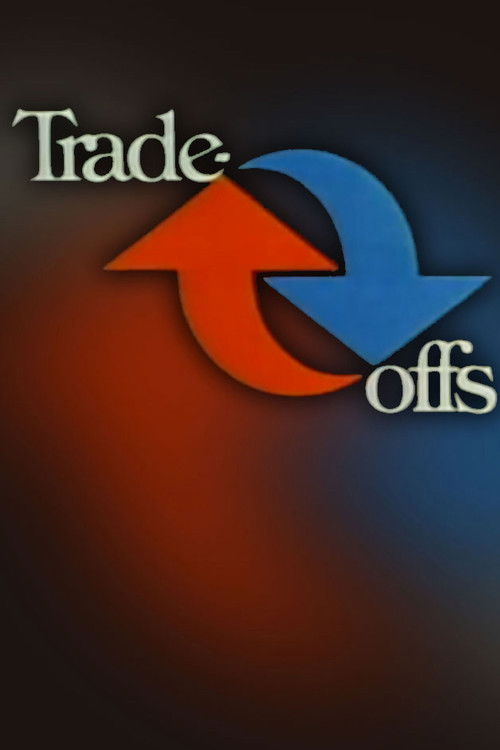
Trade-offs was an AIT program designed to improve economics instruction in the United States and Canadian schools. The series of fifteen lessons, for children from 9-13, helped students think their way through economic problems and increased their understanding of economics. On a broader scale, it helped them become more effective decision makers and ultimately more responsible citizens. Each lesson consists of a 20-minute color television/film program plus teacher's guide material to facilitate classroom follow-up. Each program begins with a short segment that identifies key points that students and teachers should watch for. This is followed by the dramatization of a fundamental economic problem relevant to the daily life of the student. Special visuals emphasize the economic principles and reasoning processes involved. The last portion of the program introduces, but does not resolve, another problem, and ends by posing a question to the viewers.