Protocol Archives • Browse all War titles in HD
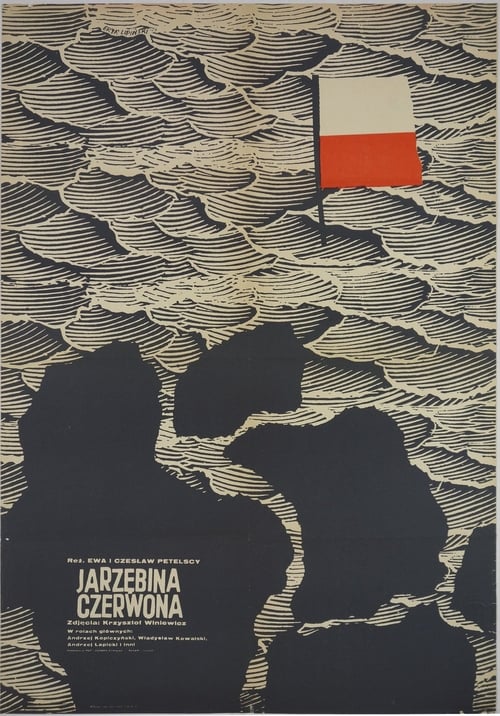
The Polish Army fights to liberate Kołobrzeg from the Germans in the final months of World War 2.
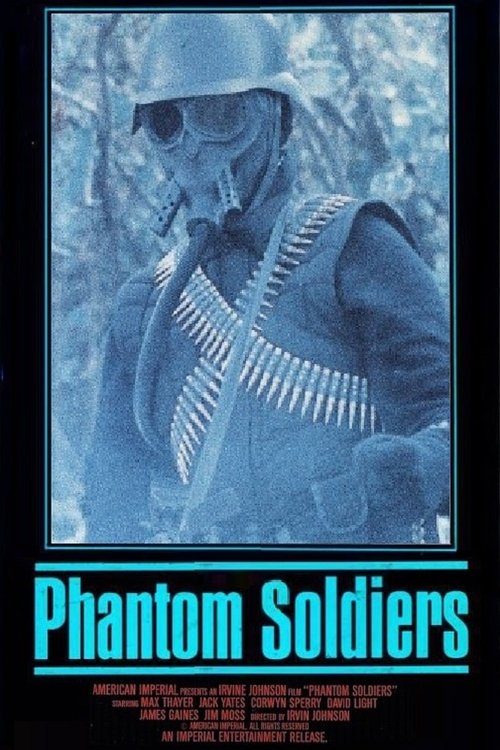
Texas Ranger Daniel Custer leaves for Vietnam to find his brother Michael, a Green Beret Lieutenant who has been reported missing in action. Michael's squad was searching for a mysterious group of 'phantom soldiers' that had been using US-made arms for massacring villages and killing unarmed civilians. Daniel goes out on his own into the jungles of Vietnam to find his brother and stop these killers.
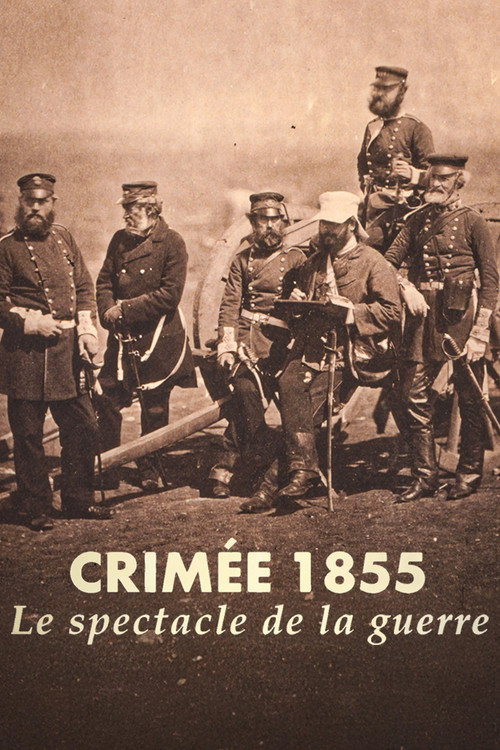


John Nisheto, a Native American, saves Senator's son Jack Burr during World War I. Upon returning to the United States, John begins a relationship with Jack's sister, Agnes, despite Jack's initial objections due to John's ethnicity and his ignorance of John's heroic act.
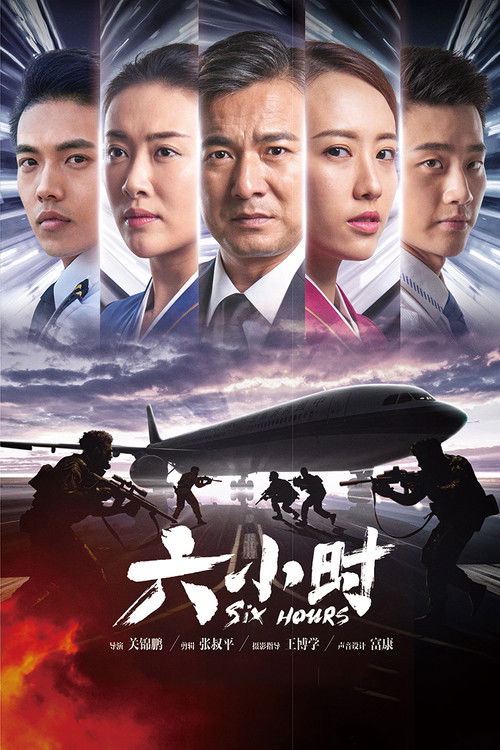
The short film tells the story of a terrifying moment experienced by a China Southern Airlines crew at a local airport during the armed coup attempt in Istanbul, Turkey, in 2016.
A Polish writer is arrested by the Nazis in 1942 and sent to the notorious Pawiak prison in Warsaw. He will spend the next 111 days fighting for survival.
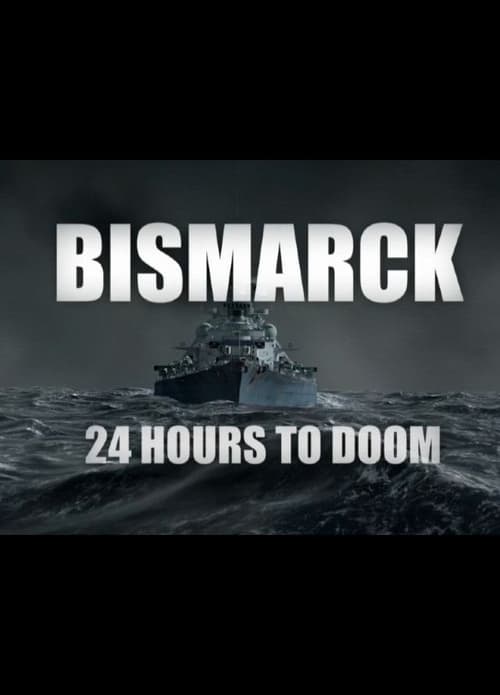
Based on Iain Ballantyne's book, and shedding new light on one of World War II's most epic sea battles, this documentary provides a thrilling countdown of the Bismarck's final 24 hours.
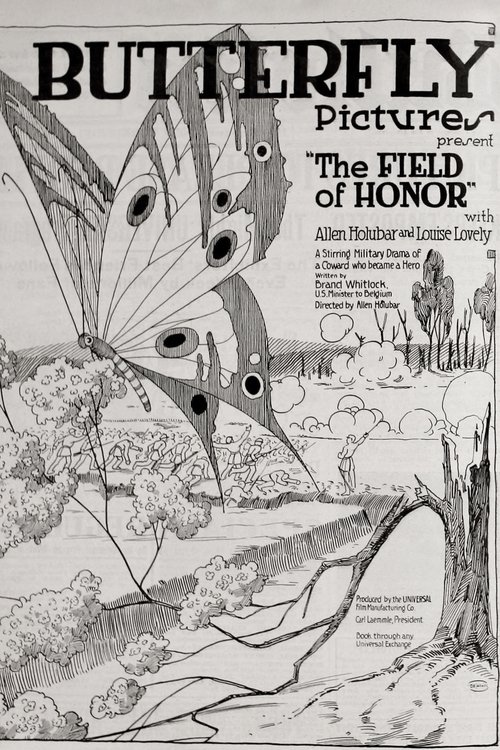
Although she is secretly in love with Wade Clayton, Laura Sheldon accedes to the wishes of her parents and marrries George Baring. Soon after, war breaks out between the North and South, and Clayton is made captain of the regiment. The entreaties of Laura prompt Baring to enlist against his will. Seized with fear during battle, Baring attempts to run away but is shot by a comrade and left for dead. At the finish of the war, Clayton returns home and relates how bravely Baring died in action. A few years later, Baring, who had been hiding in Cuba, returns.

Exploring the Siege of Derry, which placed the city at the heart of a Europe-wide struggle and shaped the course of Ireland's history.
Alexander Nikolaevich is very old. The war turned his whole life upside down. But he does not remember the war, and he does not remember insults, he remembers something completely different. He remembers gestures, hand movements, his hands. He forgave everyone. He is ready to shake hands with former enemies. Ready. But he can't. He has no hands. He lost them in the war.
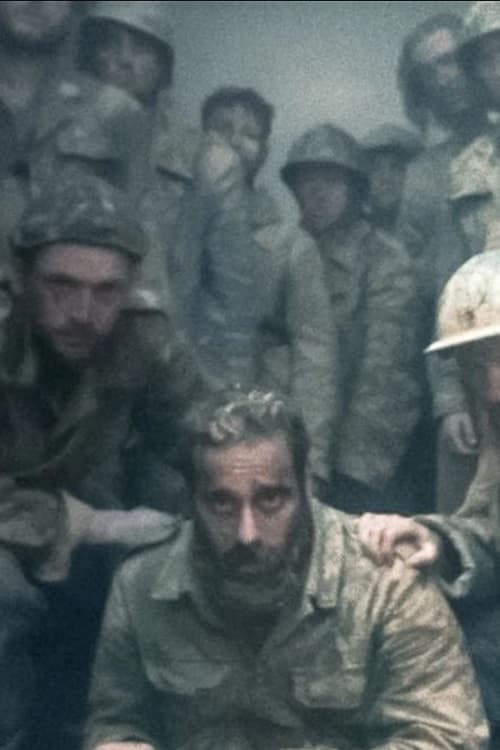
On November 11, 1918, amidst the chaos of the western front, a German aviator narrowly escapes death in a crash near a Belgian trench. Forced to conceal his identity, he embarks on a perilous journey to evade capture and reunite with his comrades. However, as suspicions arise among his adversaries, his covert mission becomes increasingly fraught with danger.
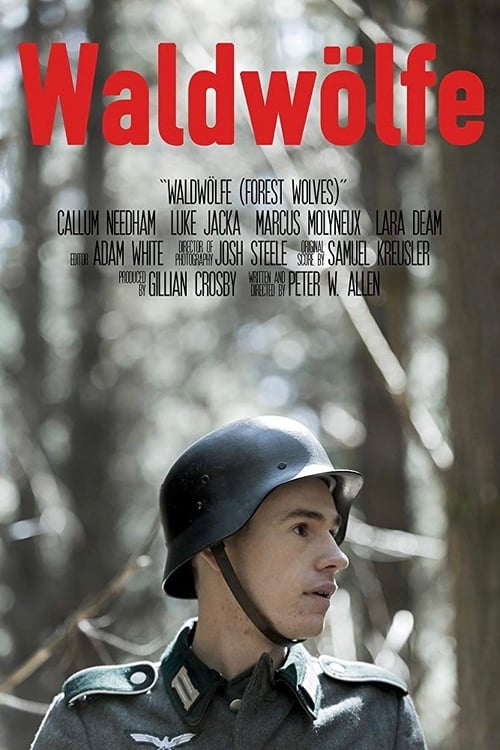
Three Nazi soldiers capture an escaped Jewish woman. But what will they do with her?
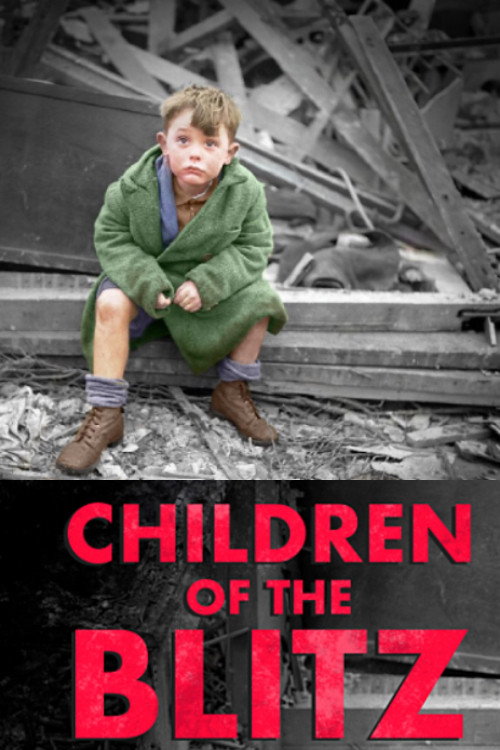
During The Blitz, the British government had plans in place to evacuate approximately 3.5 million people, but only around 1.5 million left towns and cities for the countryside, with the majority of those being children. Children of the Blitz tells the stories of those who remained at home, often to help their families, or because their parents couldn’t bear to send them away. Through the eyes of survivors who were children at the time, the film will explore how The Blitz contributed towards our sense of national identity and how the ‘Blitz Spirit’ is still held up as a defining characteristic of Britishness today. The film will also examine the starker reality for children whose homes were destroyed, including those who lost parents, and some who were left to fend for themselves - many grew up with their stories unheard.
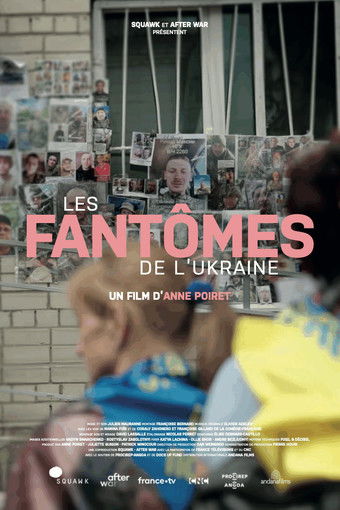
Ludmilla and Ludeshka's husbands disappeared on the Ukrainian front, while Tetiana's husband, a farmer from the Kherson region, was kidnapped during the first months of the Russian occupation. Torn between the hope of finding them and the anguish of impossible mourning, these three women are fighting a long and painful battle to obtain information. Director Anne Poiret followed them for two years.
On June 6, 1944, supported by an immense naval armada, Allied troops, including the First Canadian Army, led by General Harry Crerar, launch an amphibious invasion of Normandy, France. Facing a fierce resistance by Nazi forces, the Allied armies establish a beachhead on the Normandy coast. Seeking redemption after their earlier rout at the Dieppe raid in 1942, the Canadians are able to gain control of Juno Beach. Before regrouping for an advance into France, Allied troops are replenished by transport of war materiél and reinforcements. The Canadian contingent is tasked with an attack on Caen, France, held by the German 7th Army.

A 1945 Soviet war film which, along with the second part of Eisenstein's Ivan the Terrible was harshly criticized by Andrei Zhdanov and banned. A version of the film, released in 1956 during the Khrushchev Thaw, was disowned by director Grigori Kozintsev because the reediting was done without his participation.
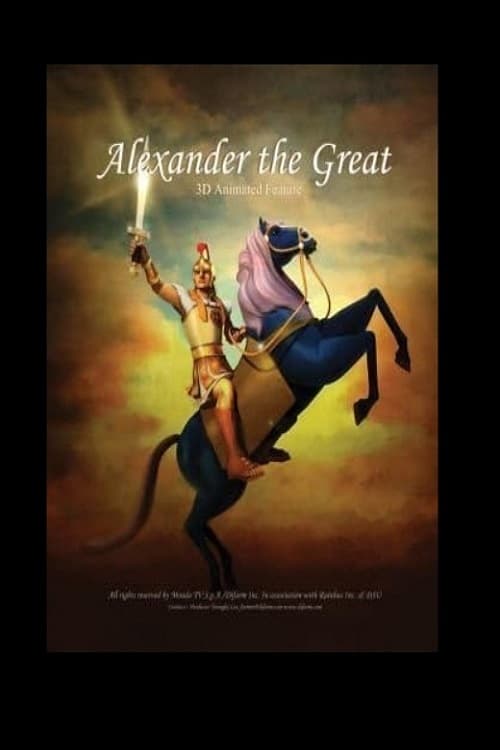
When his father, King Philip, is killed by the wicked Emperor Darius, Alexander the Great assembles an army and sets out for revenge. On his journey to catch up with his enemy, he fights many battles and conquers much of the known world.
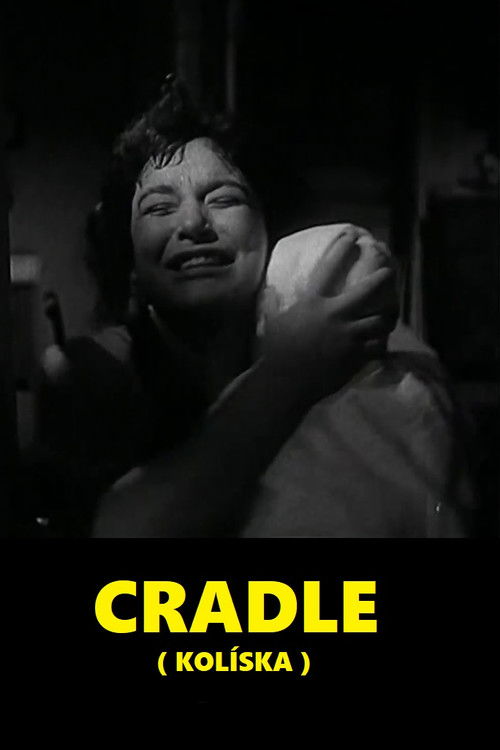
A TV film based on a short story by Alfonz Bednár. A drama set during the Slovak National Uprising.