Protocol Archives • Browse all War titles in HD

While guarding an Indian picket in Kashmir, Hareendranath meets Mushraff, a Pakistani soldier. Later, the two form an unlikely bond of friendship and confide in each other their deepest feelings.
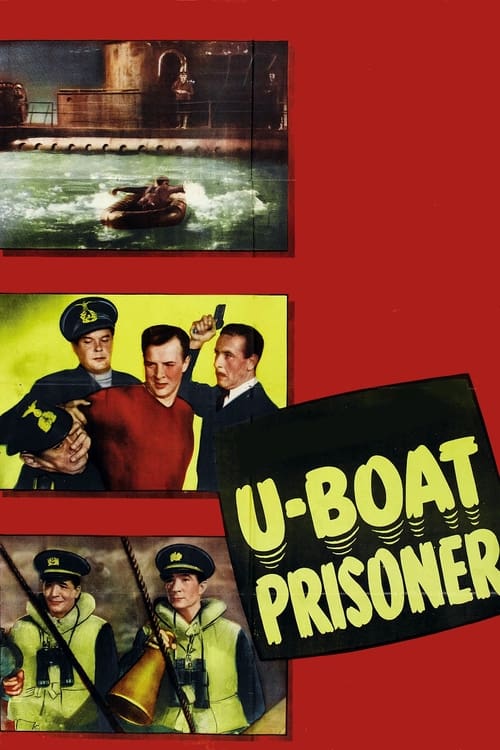
Merchant seaman Archie Gibbs manages to survive when his ship is torpedoed by a German submarine. Disguising himself in the uniform of a dead Nazi spy, Gibbs is picked up by the Nazi U-boat. He manages to convince the German sailors that he's the spy, and in this guise he tries to rescue a group of captured Allied scientists.
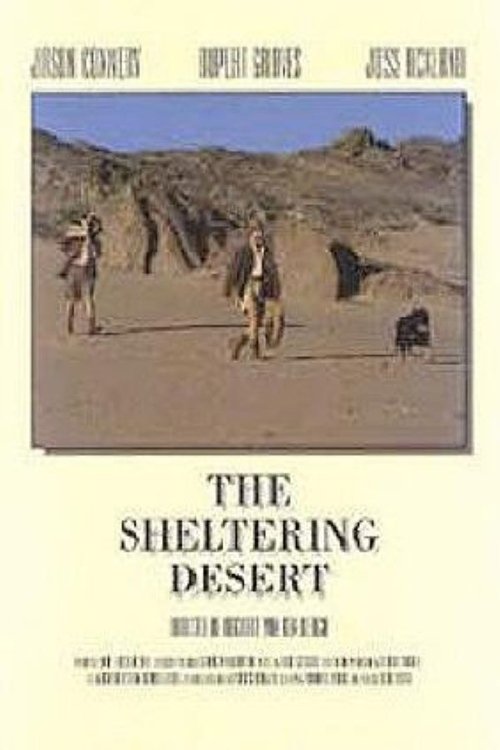
In 1935 two German geologists, Henno Martin and Hermann Korn, leave Nazi Germany for South-West Africa (Namibia) to conduct field research. At the outbreak of the Second World War, many male Germans living in South-West Africa are interned in local camps. As pacifists the two German scientists refuse to be arrested and flee into the Namib Desert. They live for over two years in the vastness of the desert like ancient bushmen under indescribable circumstances, facing the challenge to survive and, at the same time, the threat to be detected. On the radio they follow the war events in Europe. Their adventure comes to an end when Hermann Korn starts suffering seriously from malnutrition.
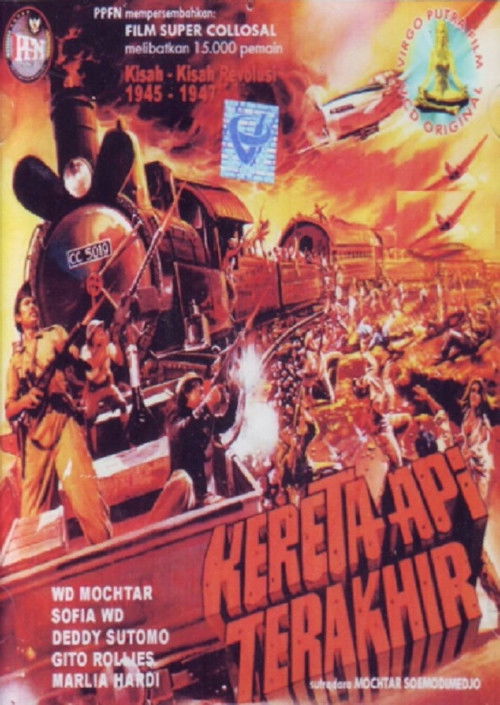
With the failure of Linggarjati Agreement as the background, a heroic and also a love story are interwoven. The army headquarters in Yogja decides to withdraw all existing trains to Yogya.

A withdrawn war veteran seen as peculiar by the local villagers lives and brings up his child, the only thing that gives his life meaning.
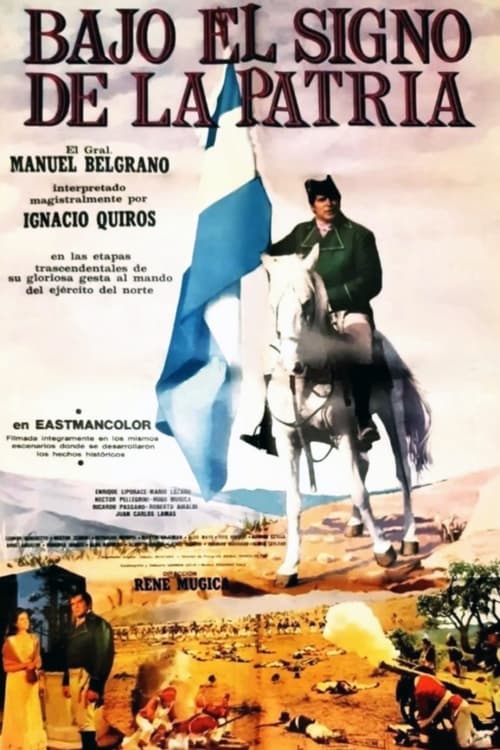
Aspects of the life of General Manuel Belgrano since he took command of the Army of the North until, together with his men, he defeated the enemy in the battle of Salta in February 1813.

A soldier coming home after the Paraguay War meets a theater group. A shock between war and art.
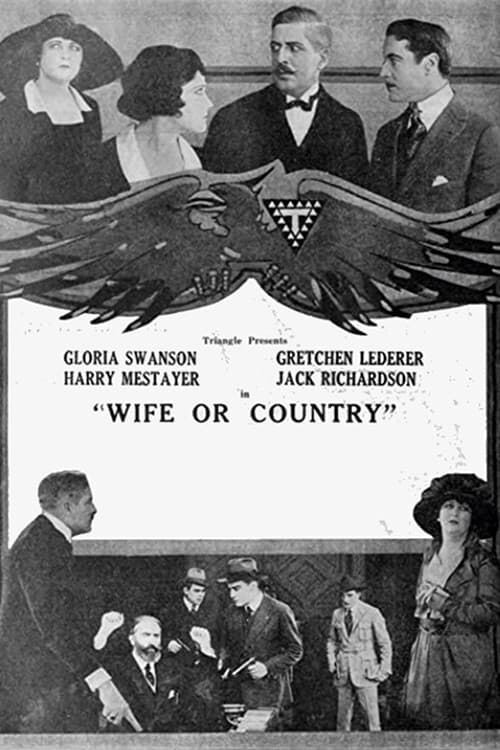
Sylvia Hamilton rehabilitates an alcoholic attorney and marries him. When World War I breaks out, she is persuaded to help the German cause and later commits suicide rather than compromise her husbands career.
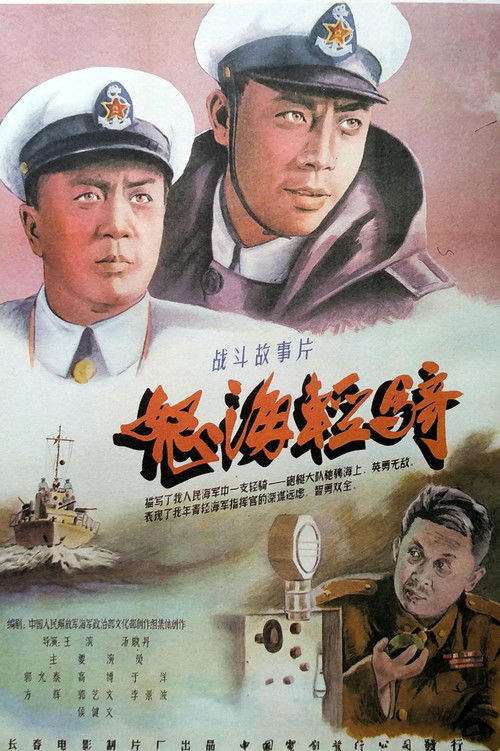
A film about the expulsion of the Kuomintang from the coastal islands of the People's Republic of China. In the early 1950s, with the aim of liberating Woyushang Island, the naval base headquarters sent the Third Artillery Squadron, commanded by Longjiang Li, to reconnoiter the enemy's firepower deployment. With the help of local fishermen, they defeated two enemy reconnaissance groups, demoralizing the enemy. The enemy transport ship left Chinese territorial waters. The political instructor led the artillery squadron to intercept the enemy ship to prevent it from bringing in reinforcements. As a result, the navy and air force launched a coordinated operation and liberated Voyushang Island.
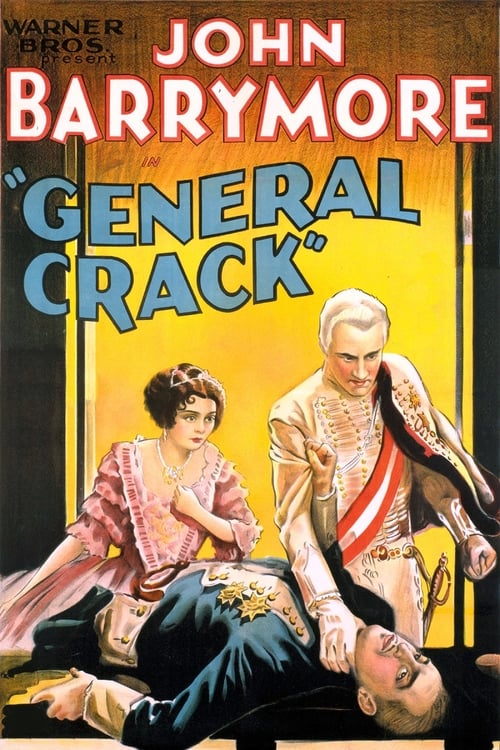
The film takes place in the 18th century Austria and revolves around Prince Christian, commonly known as General Crack. His father had been a respectable member of the nobility but his mother was a gypsy. General Crack, as a soldier of fortune, spent his adult life selling his services to the highest bidder. He espouses the doubtful cause of Leopold II of Austria after demanding the sister of the emperor in marriage as well as half of gold of the Empire. Before he has finished his work, however, he meets a gypsy dancer and weds her. Complications arise when he takes his gypsy wife to the Austrian court and falls desperately in love with the emperor's sister.

In the early Eastern Han Dynasty, Han warrior Geng Gong captures a Xiongnu prince, provoking a massive invasion. With just 300 soldiers, he makes a daring stand in the fortified city of Shule against 20,000 enemy cavalry, igniting an epic battle to protect the Silk Road.
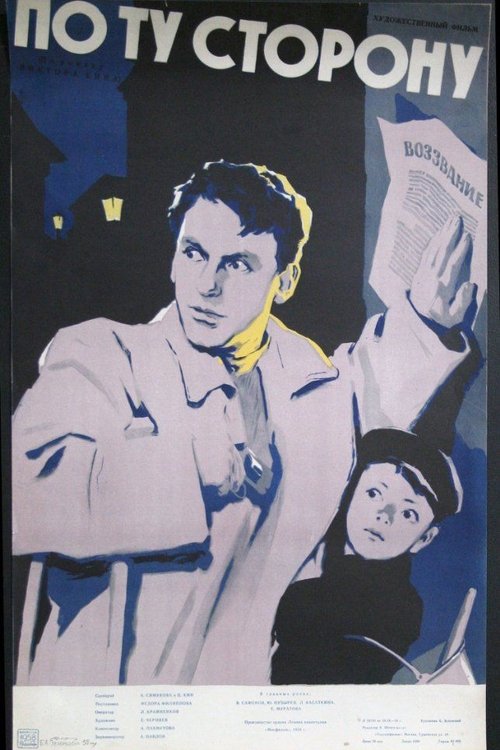
1921, Far East. Two Komsomol members, Matveyev and Bezais, must cross the front line near Khabarovsk to give the partisans money and a coded message. In Khabarovsk, Matveyev wants to meet a girl, Liza, with whom he is in love, but a serious injury disrupts his plans...

China, in the early sixties: an angry mob is persecuting a rich landowner. Mei, a young worker, who is part of the crowd. Suddenly she recognizes the victim who she secretly loves. Frightened of revealing her feelings, Mei doesn't know what to do.
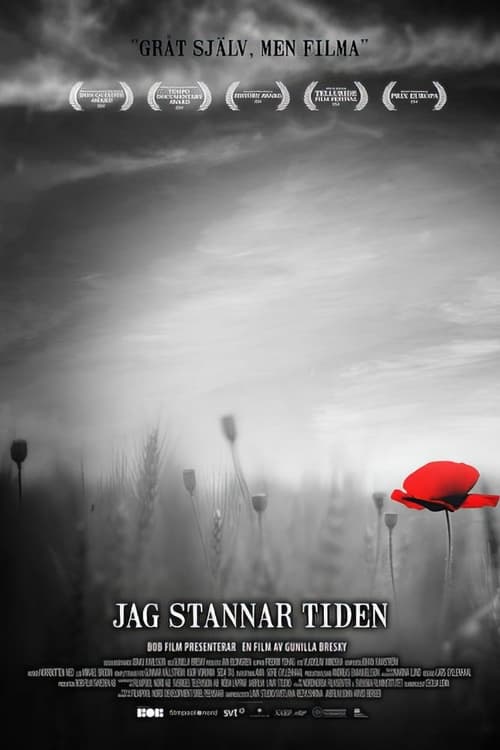
Gunilla Bresky’s new film, “I stop time”, is a story from World War II that is unlike anything else. It is based on the Russian war photographer Vladislav Mikosha’s diaries and photographs. He was filming at the front, but he also visited Hollywood during the war and became a star when he showed his pictures from the front. As Mikosha’s Swedish voice in “I stop time” we have Jonas Karlsson. Gunilla Bresky has made several award-winning documentary films about World War II. The most recent, “Night Witches”, is about female Soviet bomber pilots.
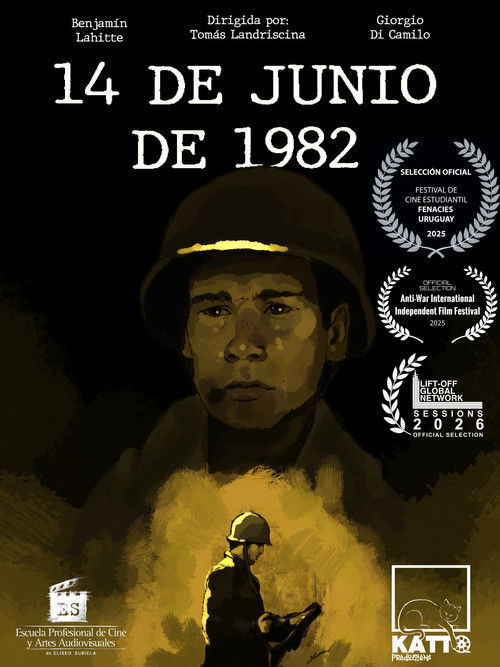
In an isolated bunker, two soldiers prepare to face the chaos of war. While Nicolás arms himself for battle, Juan, consumed by despair, struggles with his own demons. The tension hangs in the air, and a mute farewell turns into an act of desperation
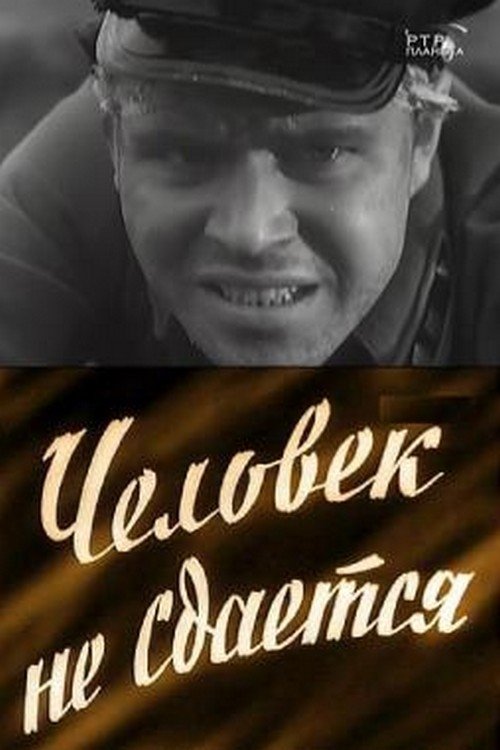
Young political officer Pyotr Marinin arrives at his unit without having time to say goodbye to his fiancée. After receiving a message about Lyuba's arrival, Marinin goes to meet her, but the war begins, and he joins an unformed tank brigade in its first battle against the Nazis...
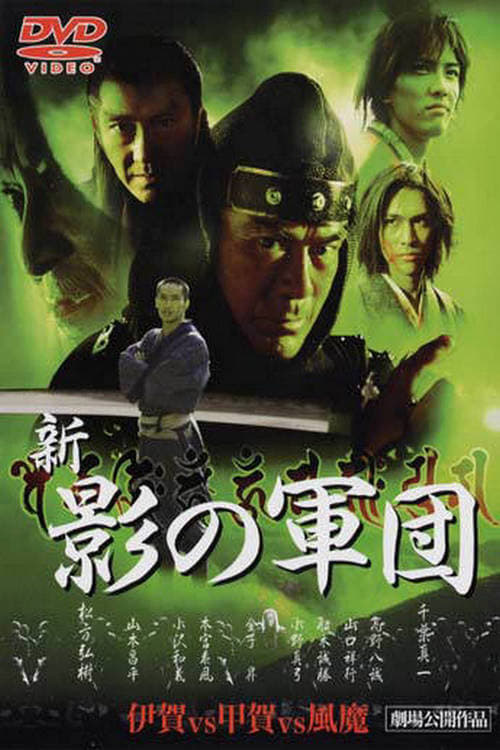
In the time of the peaceful Toyotomi Era, Shinotada, the master of Kochi Family, a source of revenue for the Tokugawa, is trying to marry his younger sister Princess Fuji to Akinobu Sunekazura, who has connections with the rival Toyotomi, in order to bring peace. One of sixteen great warriors of Tokugawa, Hattori Hanzo, entrusts his wish and gathers the remnants of Iga Village, which was destroyed by Oda Nobunaga, and orders them to guard Princess Fuji. The Council of Elders of Sunekazura, hire the Fuma Ninja led by Fuma Kotaro, joined by the Koga Ninja, led by Sarutobi Sasuke, who is serving Hideyoshi Toyotomi, to assassinate Princess Fuji! Can Hanzo Hattori with the Iga remnants prevent this evil plot and protect the princess? Once again, Shinichi "Sonny" Chiba plays the leading role of Hanzo Hattori with his old enemy, Sarutobi Sasuke, played by Hiroki Matsukata. The presence of both famous actors will overwhelm any audience!

The film depicts the struggle of brave men and women who sacrificed their lives for their homeland, their love, and everything they held dear during the 1939 Khalkh Gol War.
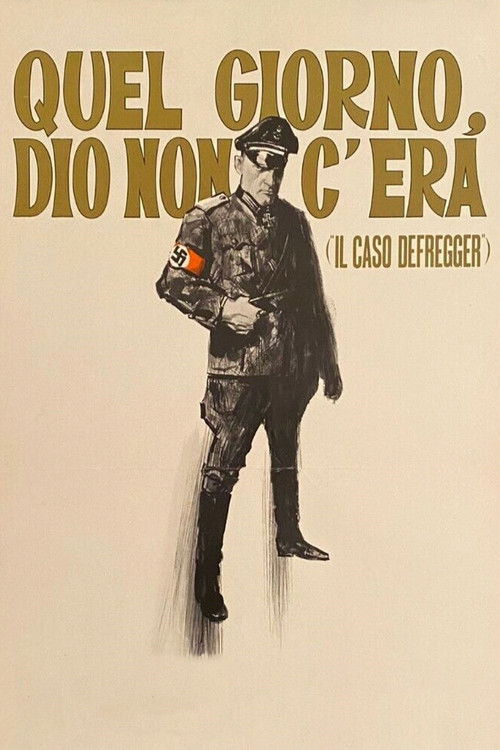
Based on a real WW2 episode. In 1944 in a small village in the Italian Appenines several inhabitants are executed in reprisal for a partisan attack on the German occupying troops. The lieutenant responsible for the execution becomes a priest and then a bishop and several years later he is put on trial for the killings.
