Protocol Archives • Browse all War titles in HD

War drama based on a short story by Akiyuki Nosaka.

In February 1945, Jules Ternes returns to Luxembourg. To escape conscription, he fled the country and joined the resistance movement in France. Back in his hometown, Jules hopes to find peace of mind and put the war behind him. But he returns to a country devastated by the Battle of the Bulge and deeply divided from four years of occupation. His sister Mathilde is now engaged to Armand, the leader of the local resistance and his girlfriend Leonie has another man in her life. Jules nevertheless resumes a relationship with her and accepts a post as an auxiliary policeman. When Leonie is assassinated along with the German farmers she works for, the life Jules was struggling to rebuild collapses. The ensuing investigation will reveal grey areas of the Occupation along with the efforts made in high places to cover them up.
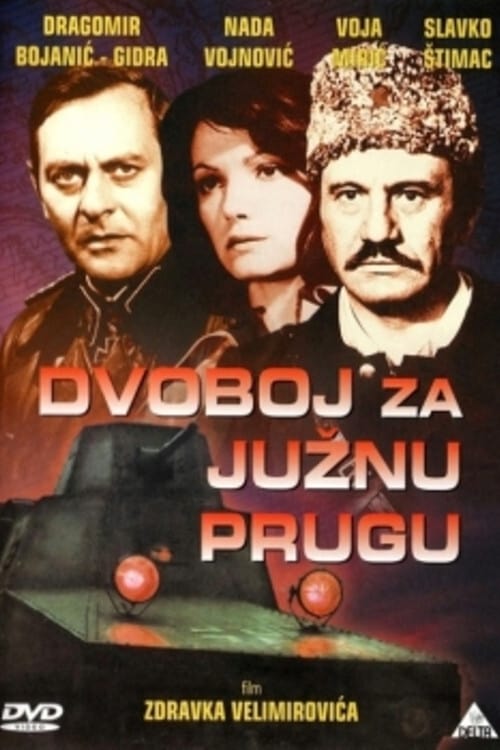
Autumn, 1941. Tito's partisans are ordered to attack a railway network system used by the Germans, their Bulgarian allies and local collaborators. A bloody battle ensues.
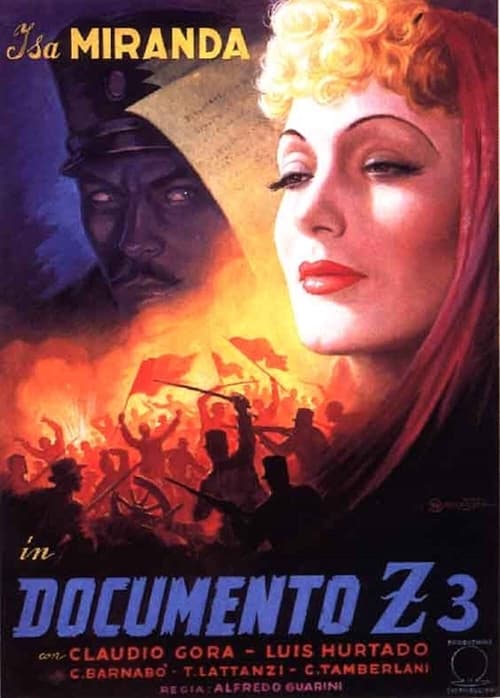
Document Z-3 (Italian:Documento Z-3) is a 1942 Italian spy film directed by Alfredo Guarini and starring Isa Miranda, Claudio Gora and Luis Hurtado. It was one of three Miranda films directed by Guarini that helped re-establish her in Italian cinema following her return from a largely unsuccessful spell in Hollywood. Many critics were not impressed with the film, feeling that Miranda had not recovered the spontaneity of her pre-Hollywood films. This is considered the first movie in which Federico Fellini has worked as a screenwriter.
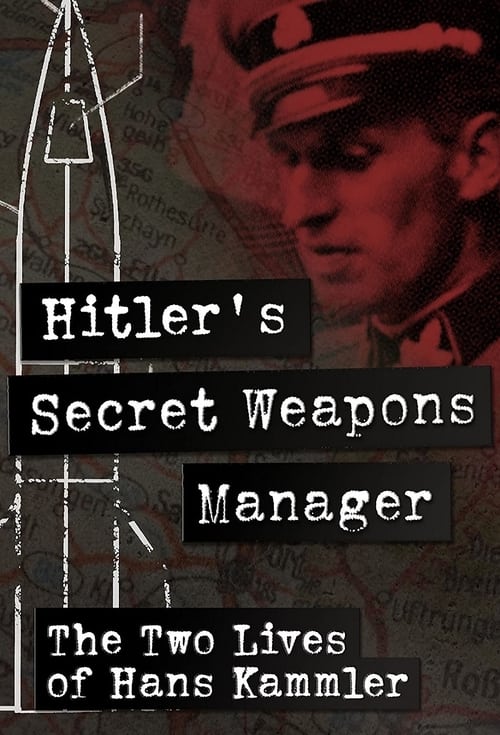
Did the man behind Hitler's secret weapons program survive the war? Was SS General Hans Kammler covertly brought to the USA to safeguard his knowledge? Allegedly he had committed suicide on 9 May 1945. Yet, recently found documents contradict the official version. Kammler controlled a widespread network of underground production sites vital to the German war effort. But Kammler was not merely in charge of the latest state of the art weapons technology. The former architect and civil engineer was also one of the key figures behind the construction of concentration camps and the systematic employment of their inmates as forced laborers. In the end, he escaped being charged as a war criminal at the Nuremberg trials.
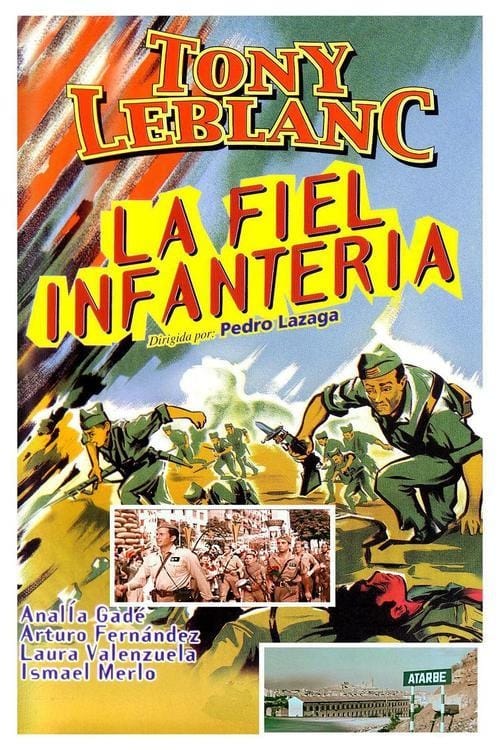
The Government of the Republic of Vietnam is subjected to military attacks and protests everywhere. Law 10-59 is enacted. Luan is sent to the United States for further military course training. Upon his return in early 1961, Ngo Dinh Diem decides to make him the governor of Kien Hoa province (Ben Tre today) to conduct the Pacification Program, with special privileges at his disposal.

NATO went to war in Afghanistan. This developed into a 20-year operation that ended in defeat. This senseless war cost thousands of lives.
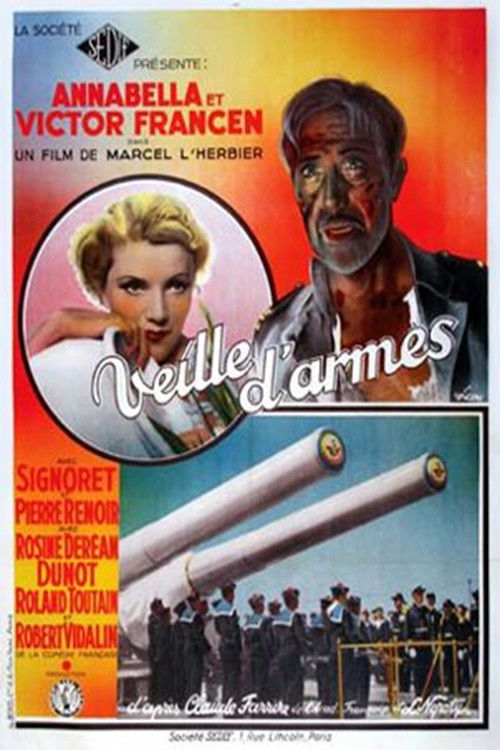
Before the Battle is the English-language title of this espionage melodrama. The first half of the film takes place aboard a French cruising ship, steaming through dangerous waters during WWI. Among the passengers is heroine Jeanne (Annabella), who was once in love with first-officer D'Artelles (Robert Vidalin) but he now seems strangely preoccupied. It turns out that the ship is on a secret mission, which ultimately dooms the vessel to a Lusitania-like death. After the sinking, Captain De Corlaix (Victor Francen) faces a court-martial, and it is at this point that the film clarifies several baffling plot points. Despite its complexity, the story is fairly believable, with the exception of the grafted-on romantic subplot.

The film is about the life of Dmitry Cantemir and the Moldovan people from November 1710 to July 1711. Turkish troops are preparing for war with Russia. The Sultan entrusted him with the throne of Moldavia. Cantemir secretly established ties with Peter I and concluded a military-political agreement with him, according to which Russia took Moldova under its protectorate, pledged to help expel the Turks and restore the former borders of the Moldovan state.


The Battle of Camden illustrates the struggle of Southern patriots in their fight against the British in the second half of the Revolutionary War.
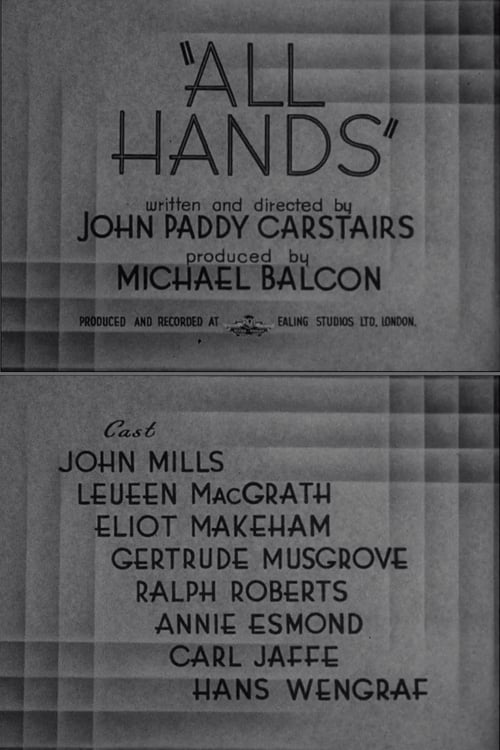
From a series of films made to raise awareness of the risks of idle gossip providing vital information to enemy spies and collaborators. This Ealing Studios production features well-known 1940s actor John Mills, playing a sailor who then divulges his sailing details to his girlfriend aloud.. The consequences prove disastrous when his boat next leaves to cross the English Channel.

They were going to become heroes, but they didn't know it. Most of them were not yet twenty years old in June 1940, when France found itself on the ground. They were starting careers, studies, had families, friends. None had heard General de Gaulle's call on June 18, but all listened to Marshal Pétain's speech on the 17th, asking to stop fighting. They immediately rebelled and joined London or the Resistance. Through the testimonies of seven of the last Companions of the Liberation (made in 2013), this film tells us about their unwavering commitment and takes us in their footsteps until the Liberation.
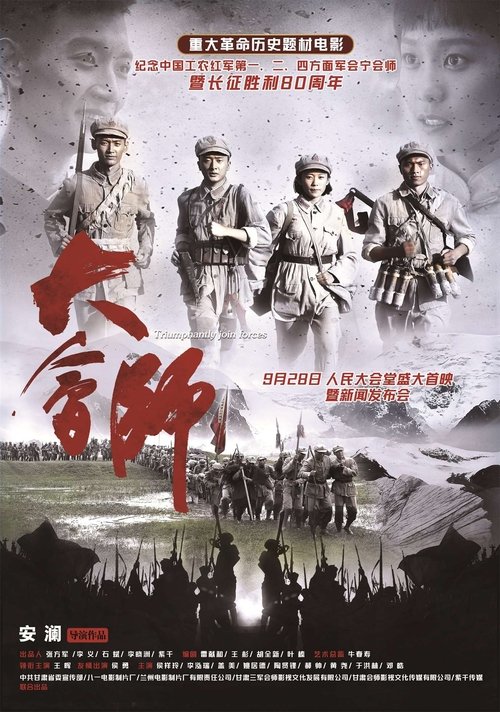
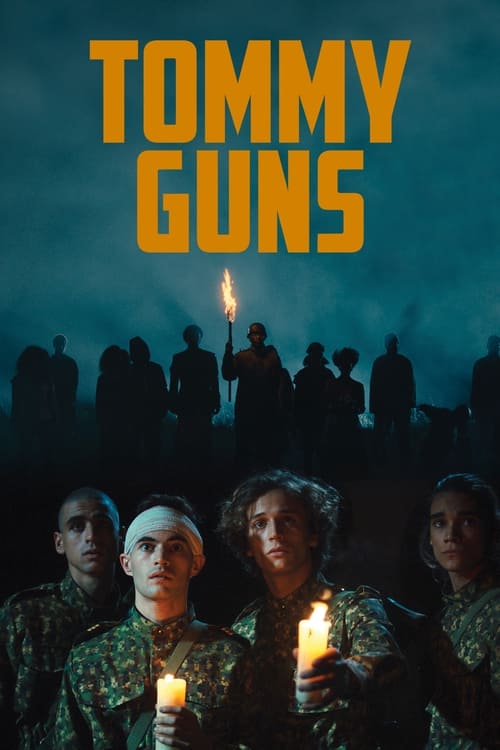
In 1974, after years of civil war, the Portuguese and their descendants fled the colony of Angola where groups working for independence gradually claim their territory back. A tribal girl discovers love and death when her path crosses that of a young Portuguese soldier. Meanwhile, another group of Portuguese soldiers is barracked inside an infinite wall from which they will have to escape once the past comes out of the grave to claim its long-awaited justice.
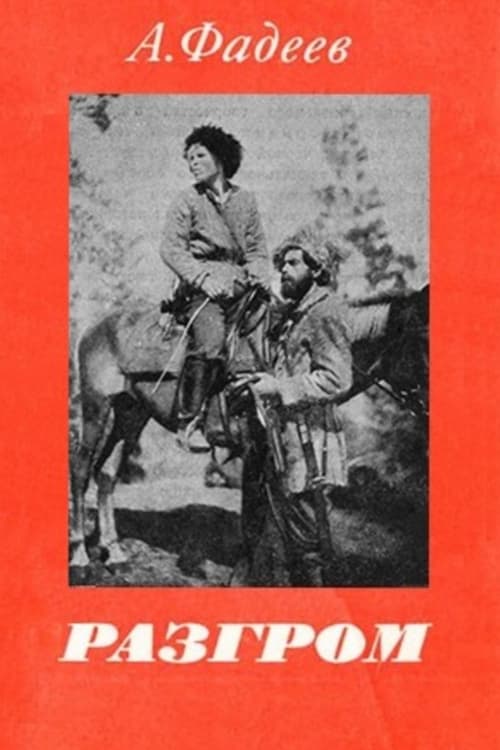
In 1921. With the help of Japanese interventionists, the White Guards defeat a Shaldyba partisan detachment. The remnants of the defeated detachment pour into Levinson's detachment. Partisan intelligence soon finds that the Japanese has surrounded the detachment. To save the main forces from defeat, Levinson decides to break through the chains of enemies.
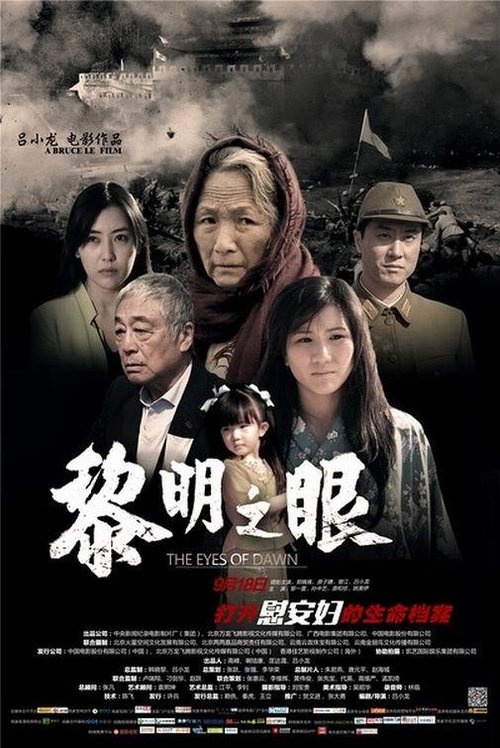
A remake in part of his earlier "comfort women" film (Comfort Women, 1994), which explored the exploitation of various Chinese women forced to provide ‘entertainment’ for the Japanese army during their occupation of China.