Protocol Archives • Browse all War titles in HD

Jesus Christ goes from being born in a manger to being King of the Jews . Walk where he walked, see what He did, and be where He died. What made him more than just a man in some peoples eyes but an impostor in others'? ...

The Dumlupinar Submarine collides with a Swedish ship while cruising on the Dardanelles. It sinks into depths of the sea within seconds. The soldiers trapped inside the submarine wait for days, hoping to be rescued.

The main theme of this film is to tell about loyal friends. In other words, rather than Genghis, the film aims to show what kind of person his close friend Jamukh was and how loyal they were in their relationship. Is it true that Genghis and Jamukh made a vow to each other? You can see in this film what caused them to break off their friendship.

June 10, 1940 on the Franco-Italian front line; Anguish, expectation, and doubt over what to do with the fight weighed on Sergeant MARTIN and his unit. Would the conflict not also relate to the soldier's sense of duty and the conscience of each man?

Disguised as an ISIS fighter, a young woman emerges from the trunk of a car. She is one of 3000 Yazidi women kidnapped from Mosul by the Islamic State in 2014 and sold as sex slaves. Now she is on the run, trying to find her way between ruins and corpses. Major hostilities seem to be over, but the situation remains dangerous. Single shots can be heard, along with detonations and radioed instructions – her persecutors are still on her heels.

The patriarch and devout father Abdullah has been living in Zurich with his wife Emine and their children for years. Their eldest son Kadir and their daughter Elif are doing well in the Western world. The youngest son, Burak, is gradually becoming radicalized without really realizing it. Abdullah is initially impressed, but then Burak sets off on a "holy war." His father travels to the Turkish-Syrian border region to rescue his son.
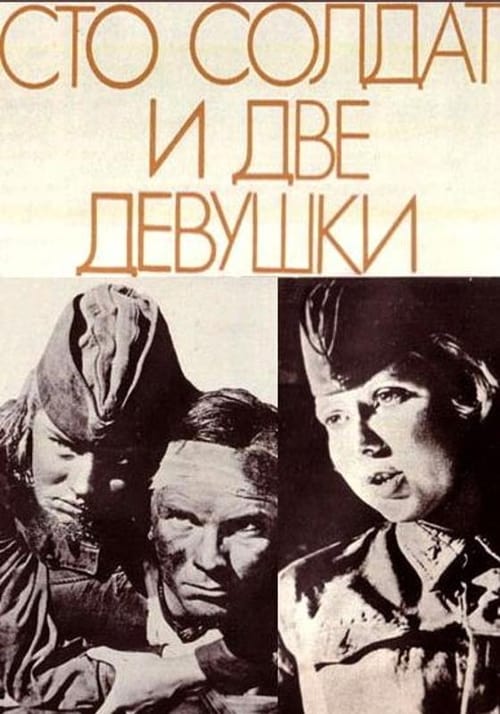
A medical instructor Alya Bulanina has become a person, communication with whom revives the soldiers’ faith that they are welcome and loved at home...
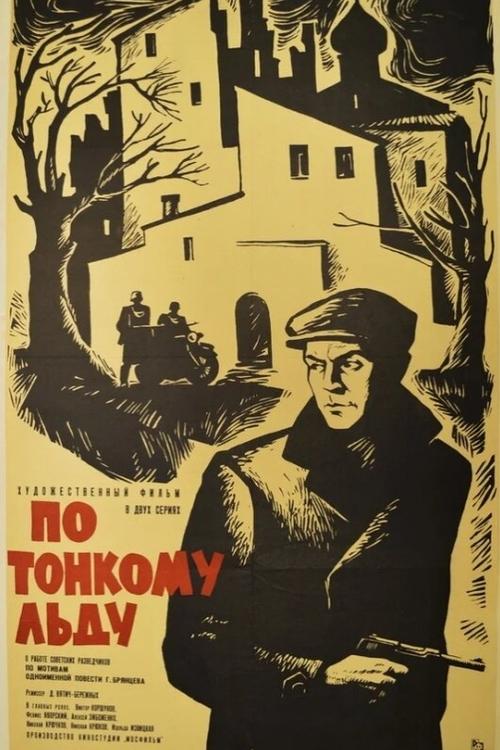
Two KGB agents are fighting against foreign spies before and during WWII.
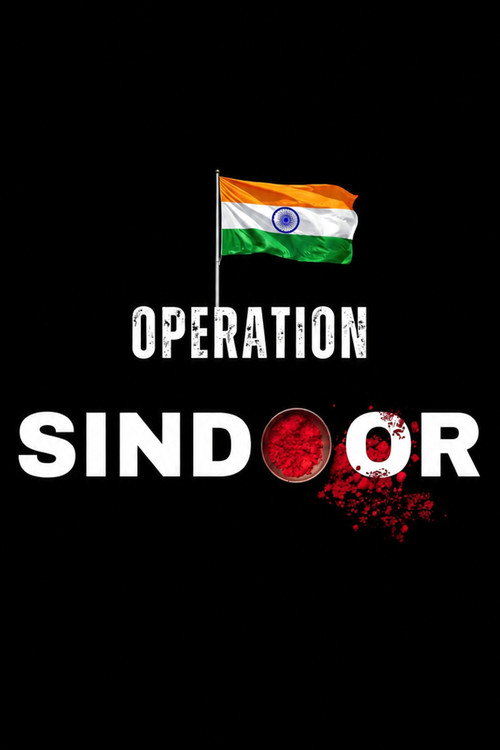
To commemorate the anniversary of Operation Sindoor, Defence Minister Rajnath Singh released a documentary film on Operation Sindoor . Iit talks about the nefarious designs of Pakistan over a period of time, against the innocent people of India, and India's national resolve to strike back with precision and accuracy without collateral damage. The whole nation approaches jointness, self-reliance, and indigenisation, ensuring victory. It projects a shining example of political will and integration of forces

The search for a government soldier taken captive on February 20, 2014 in Kyiv takes protester Sashko to the front lines on the East of Ukraine. There he meets Ivan, a Ukrainian volunteer harbouring a secret that could undermine a fragile cease-fire…

Minoo who is married to Moosa recently, is moving to the new house. But Moosa receive a letter in which he being told to get back to the Minoo Island (a border island between Iran and Iraq), to dispatch a watch tower there from the period of war. Moosa who has a lot of memories of that place refuses to go there but his wife Minoo is insisting. Finally she manages to convince him and both go there.

Documentary-style drama on training of aerial rear gunners in World War II. Private PeeWee Williams, a Kansas farm boy, transforms his home-grown shooting skills into those necessary to an aerial gunner in the tail turret of an American bomber. Preserved by the Academy Film Archive in 2013.

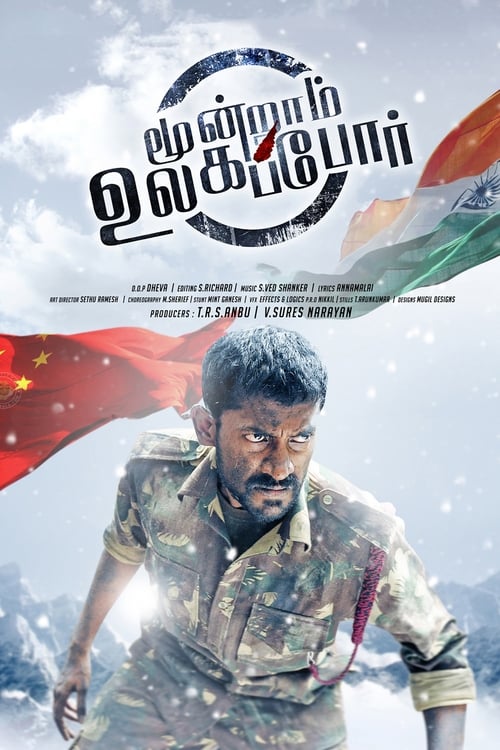
A patriotic Indian soldier is captured by the rival army, struggles to fight against the torture of his enemies and escape captivity.
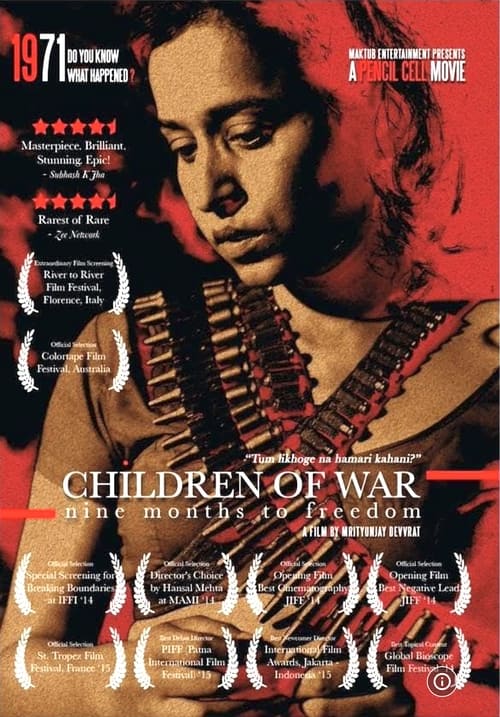
Children of War is a movie based on the true events of the 1971 Genocide. Can we, in search of power, become animals? A genocide; neglected! The first use of rape as a weapon of war; undocumented! The lives of millions; unaccounted! The culprits; unpunished!
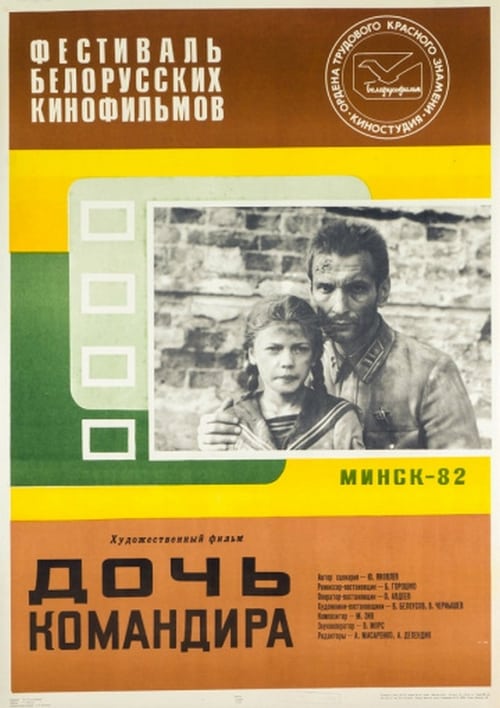
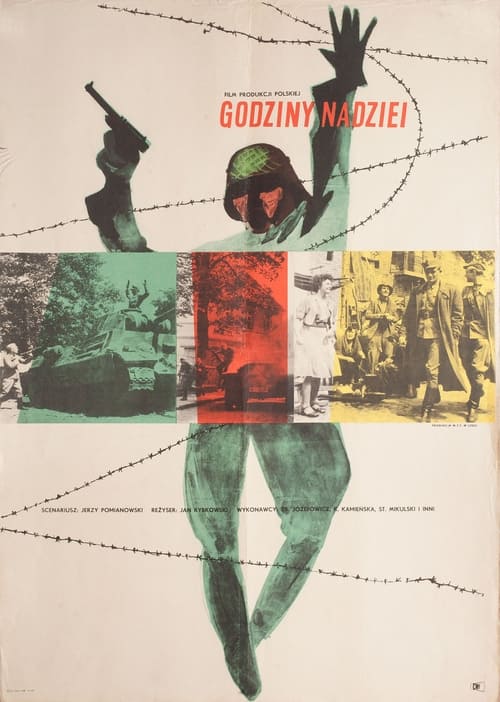
In the last days of World War 2, people of various ethnic background meet in a Polish military hospital in a small German town, whereas a Nazi SS division hides in the local forests and tries to move westwards.
The dramatic story of the life of Slovak boatmen on the Danube during World War II is depicted through the eyes of a six-year-old boy who is forced by the events of the war to spend a dark time with his grandparents in the village. Despite the fairy-tale-sounding title, this film takes place at the end of the war in the Slovak countryside during World War II, and its child hero is the son of a Danube boatman who experiences incredible adventures. The Little Lifeguard's Lamp ranks among children's films that seek speciality in the realities of war. It explores both a children's world with a shifted lens of perception and the impact of battles interfering in the lives of the youngest.

During the Civil War, a long time friends Ilya, Tanya and Tevdore decide to find the treasure, which is hidden by the counter revolutionists. After many precarious efforts the disguised friends manage somehow to penetrate the enemy’s camp and attend their leadership’s party. Tanya enchants the enemy Commander Kleshchuk and gets hold of the key of his apartment. The friends steal the treasure, baffle Kleshchuk’s pursuit and return the treasure to the government.

A historical drama spanning three generations, centered on the Sydney Special Attack Unit. Recommended by the Ministry of Education.