Protocol Archives • Browse all War titles in HD
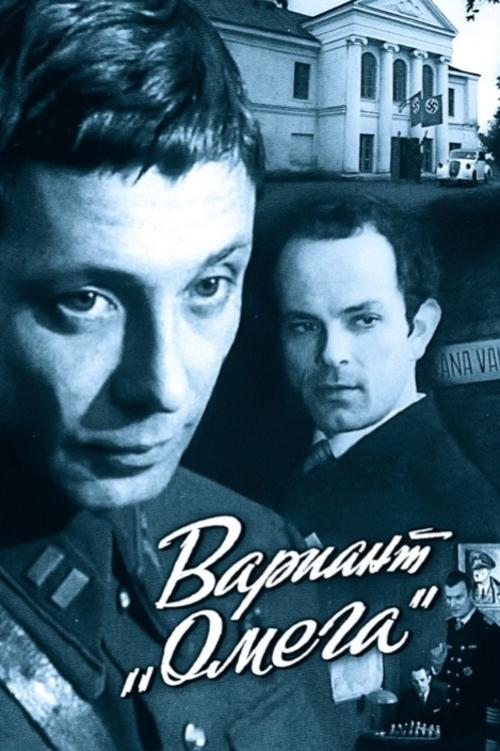

In the fall of 1944, a fearless intelligence officer is captured by the Nazis.

A young, civilian aristocrat with no practical military experience must lead his bottom-dollar crew on a dangerous mission and overcome his youth, inexperience, and self doubt in this microbudget sci-fi drama.
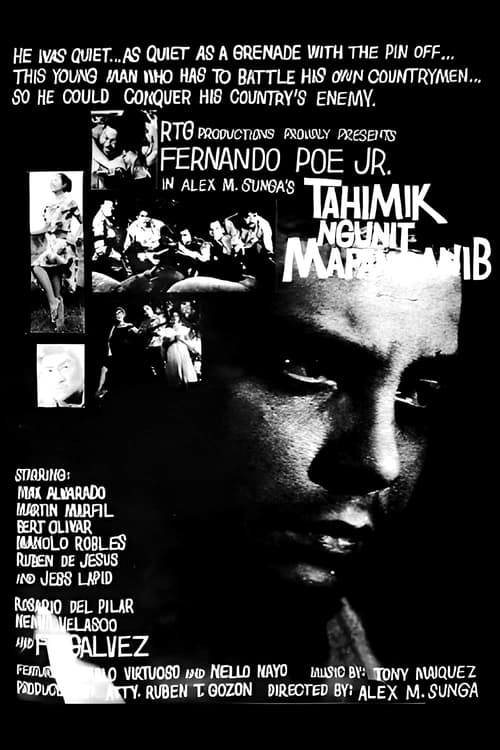
A story about a silent man who was part of the guerilla who escaped the Japanese and seeks aid and rest in the vicinity of a father who lives with three daughters.
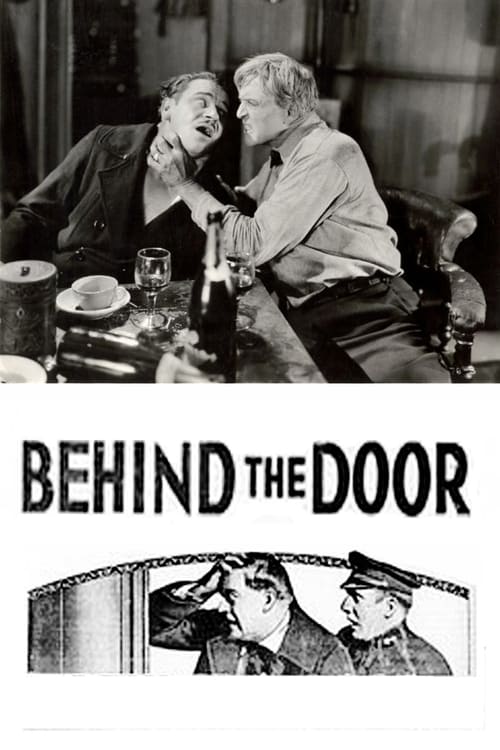
Oscar Krug is looked upon with suspicion by his neighbors because of his German name. When the US is drawn into the war with Germany, he enlists and travels the seas with his wife, Alice Morse. During a submarine attack Alice is snatched from Krug's side by a German officer. Krug now lives to have his revenge, and when the opportunity presents itself, he will have it.
An ace fighter pilot captain expects to get leave, but instead is ordered to Washington, where a colonel explains that mounting casualties among fighter pilots require new, battle-tested tactics in combat. The captain sets out to train a group of young and relatively inexperienced pilots in the new methods. Fighter planes are used as both attack aircraft and as escorts for heavy bombers, and a variety of flight patterns and defensive and offensive maneuvers are explained to the young pilots.
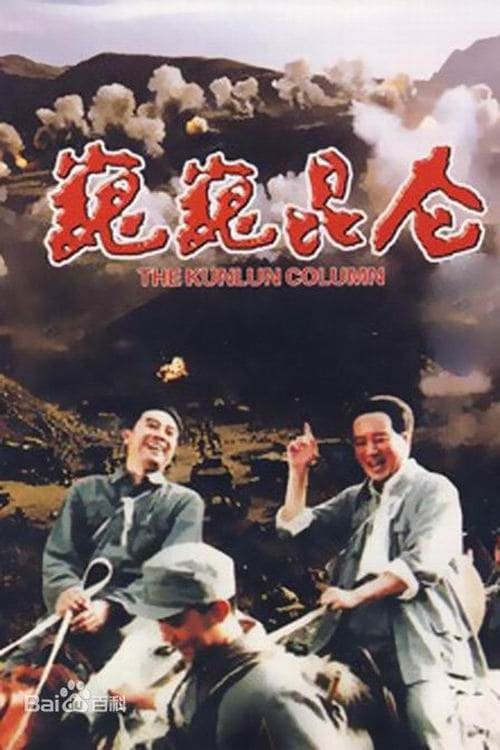
In the spring of 1947, Chiang Kai-shek launched a major attack on Communist base areas in Shandong and northern Shaanxi. Mao Zedong (played by Zhang Keyao) strategized and made a strategic decision to withdraw from Yan'an, using the "Kunlun Column" of the central government to contain the main force of Hu Zongnan (played by Wang Zhenjiang). Peng Dehuai (played by Lei Fei) started the Battle of Panlong, captured the enemy brigade commander alive, and captured a lot of money
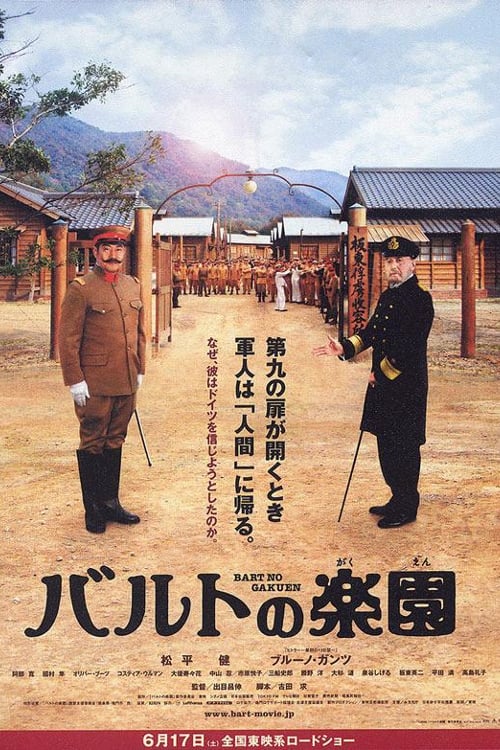
Based on the true story of the Bandō prisoner-of-war camp in World War I. It depicts the friendship of the German POWs with the director of the camp and local residents at the stage of Naruto, Tokushima Prefecture, in Japan.

A young soldier uncovers a ring of spies when he investigates his brother's mysterious murder.
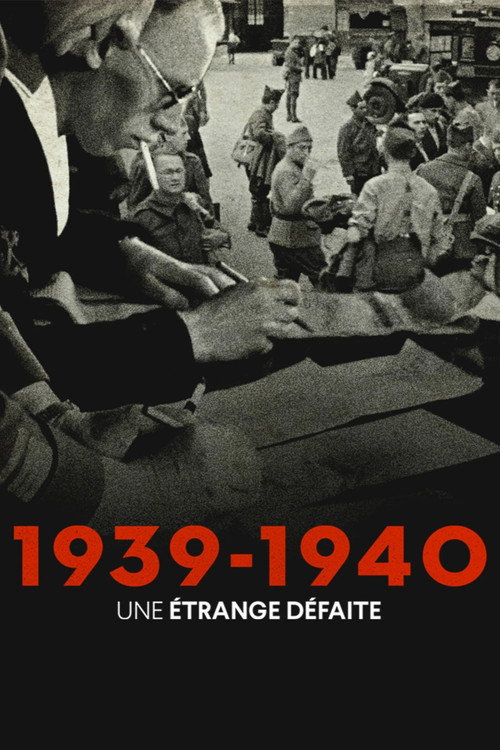
In late summer 1939, the French learned that Adolf Hitler had attacked Poland. On September 3, France entered the war, twenty years after the carnage of World War I. Although France was considered the world’s leading military power, with a vast empire and a powerful ally in the United Kingdom, everyone was overcome with a sense of dread. Yet the fighting would not begin until May 1940 and would end with France’s defeat in June. How did the French people experience those few months—among the most decisive and darkest in the country’s history?
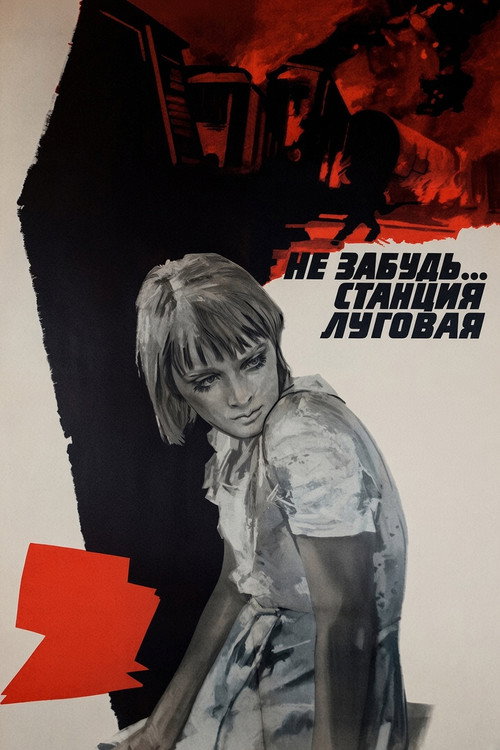
During WWII a troop train is stuck at a small railway station. A young lieutenant gets close to a local girl, then the war separates them. Twenty years later he happens to arrive at the same station and finds out that she'd waited for him for many years.

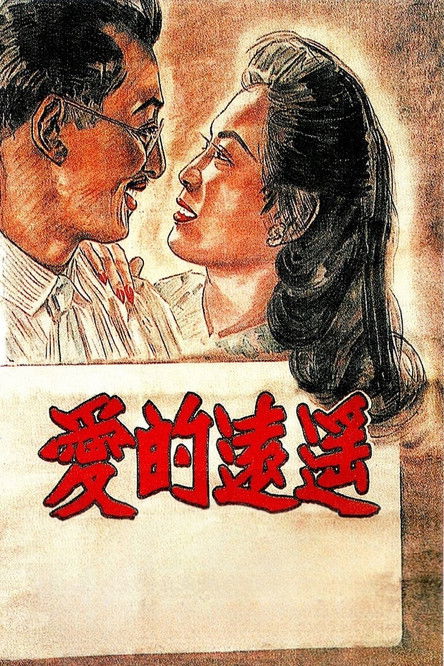
After a break-up, a college professor, Xiao, molds his maidservant, Yu, into an independent, modern woman, then marries her. However, their relationship is interrupted by the war - Yu insists on volunteering her help, while Xiao longs for a stable family life.
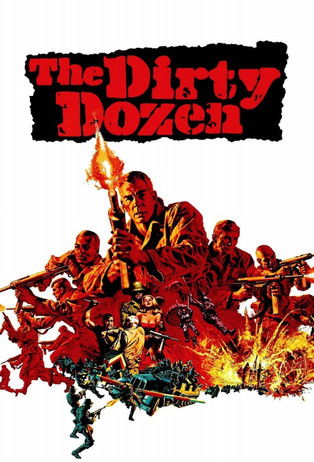
The contemporary remake of the 1967 classic war pic.

Harold Whitley, a member of New York's idle rich, is upset when the United States enters World War I. Upon learning that married men are exempt from the Selective Draft, Harold urges his fiancée Mary to wed him quickly, but Mary indignantly threatens to break their engagement.
An Italian spy infiltrates a weapons factory in Germany.
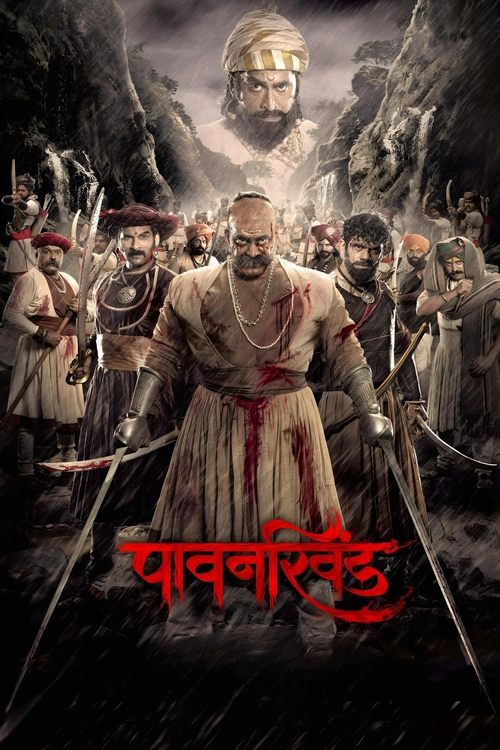
The historical rearguard last stand that took place on 13 July 1660 at a mountain pass in the vicinity of fort Vishalgad, near the city of Kolhapur, Maharashtra, India between the Maratha Warrior Baji Prabhu Deshpande and Siddi Masud of Adilshah Sultanate, known as Battle of Pavan Khind.
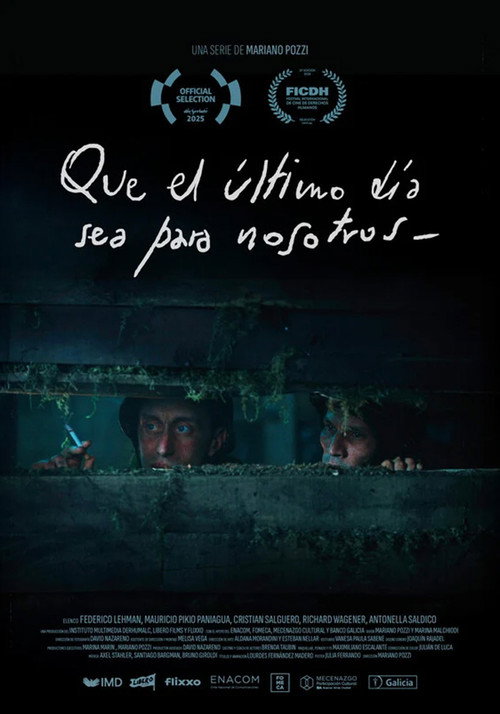
In 1982, a group of soldiers awaits the end of the war between Argentina and the United Kingdom over the Falkland Islands. Cut off from the main base and facing possible death, they spend their last days in a trench reflecting on the meaning of war, death, and their own identities.