Protocol Archives • Browse all War titles in HD

China 1839. Because the British imports of opium into Southern China are creating such widespread medical and economic problems, the weak Manchu emperor Tao Kuang is forced to take action that precipitates the 'Opium War'.
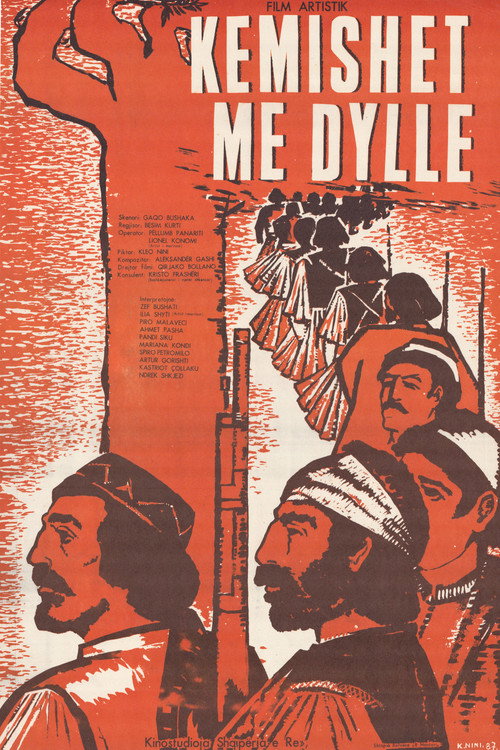
Film set during the Albanian Renaissance, focusing on a group of Albanian outlaws fighting against the Ottoman Empire.
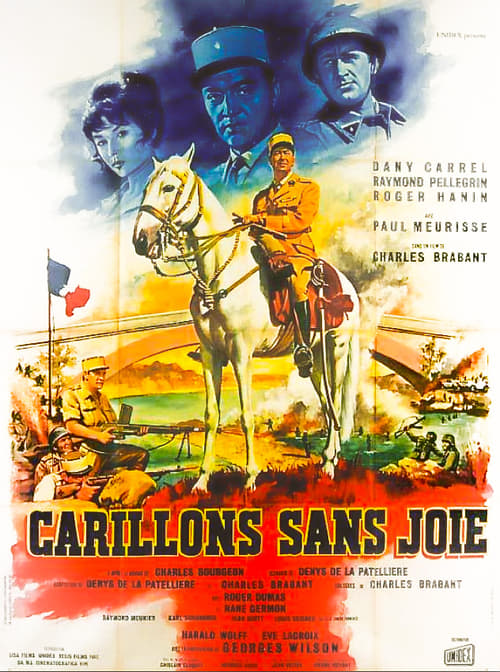
In November 1942, American troops landed in Tunisia. German paratroopers were immediately launched and occupied Tunis. A French squadron of chasseurs d'Afrique was sent to Medjez-el Bab with the mission of occupying the bridge over the Medjerda. But the captain is mute and the cavalrymen don't know whether the operation is being prepared against the Germans or the Allies. The first hypothesis inflames Maréchal des Logis Bourgeon and his friend Maurice, who have not forgotten the defeat of '40. In the village, Maurice meets up with his friend Léa, a refugee, and discovers with fury that she is Jewish, because he doesn't like Jews any more than he likes English or Germans! The hunters set up camp on the bridge. Soon, a German column appears and demands passage. The captain refuses, awaiting orders from Vichy. But in Tunis, confusion reigns. Finally, the captain himself takes the initiative to oppose the passage of the German troops...

Inhospitable at the best of times, the snow-covered mountainscapes of Eastern Anatolia constituted a fatal frontier for many war exiles after the battle of Sarikamish in 1915, and provides a canvas laced with beauty and threat for this bone-chilling survival yarn, the superb debut feature of Alphan Eşeli. Starting out with three characters – a refugee mother and daughter and their grizzled guide – the film traces their daunting trek across this barren terrain to safety, with the Russians encroaching and other stragglers, including a pair of wounded, frostbitten Ottoman soldiers, all orbiting the same burnt-out village they find in their path. Puncturing its aura of ghostly impasse with some shocking narrative reversals, and constantly prickling with the mutual dread of strangers in gruelling extremes, the movie stakes out hugely credible ground next to established Eastern Front war classics (In the Fog, Come and See) while remaining thoroughly its own beast. (Source: LFF programme)
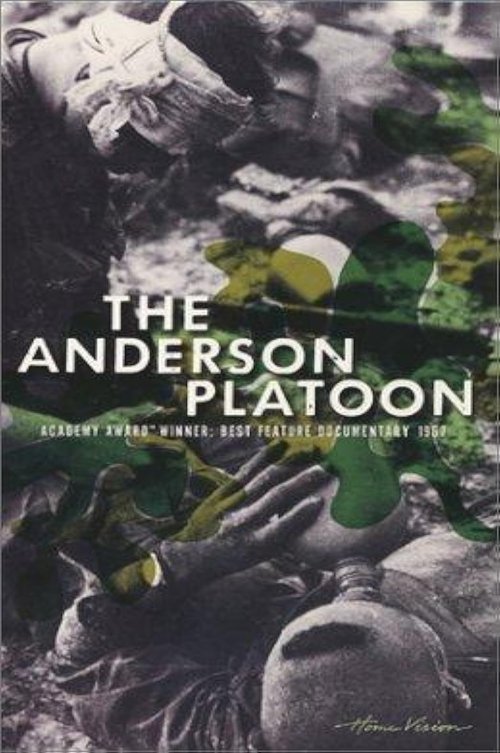
A documentary feature by Pierre Schoendoerffer about the Vietnam War. Winner of the 1968 Academy Award for best Documentary Feature.

The two rival Allied commanders, General Eisenhower and Field Marshal Montgomery, clash in a battle of egos and strategic choices, with devastating consequences for the people of Zeeland during the liberation of the Netherlands.

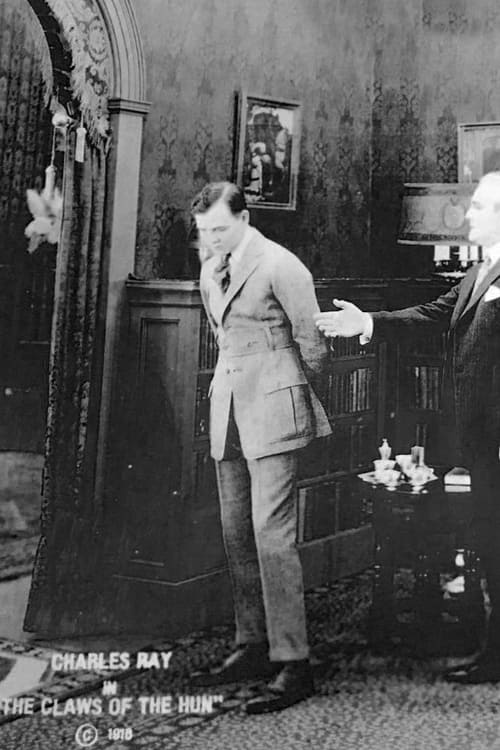
An American munitions manufacturer and his son become ensnarled with enemy agents from Germany during the First World War.
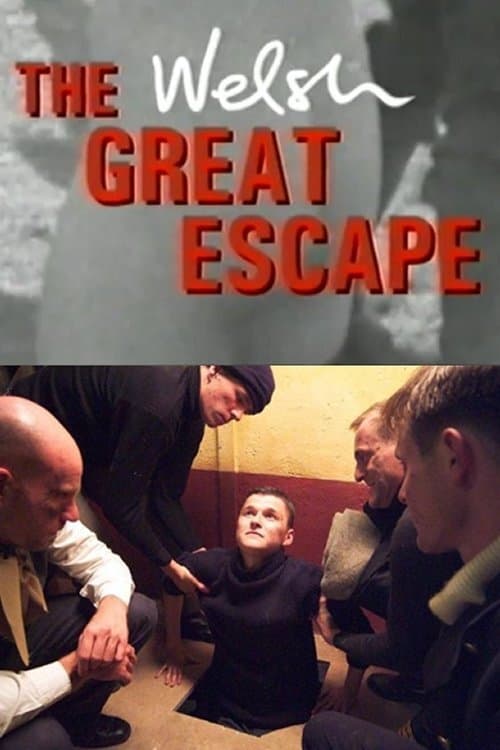
In 1945 70 German POWs escaped from the high security camp in Bridgend in Wales and were tracked by a motley collection of armed soldiers, Home Guard, dogs, local children and Girl Guides. One of the largest manhunts of the whole war was dramatic, serious and comic in turn - but not tragic.
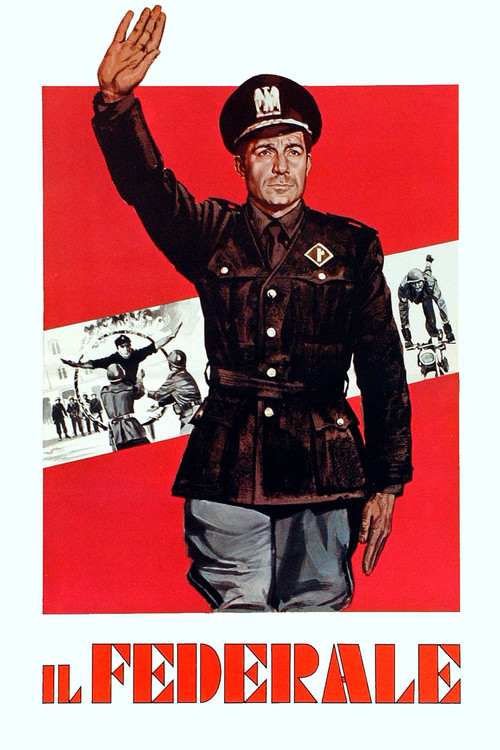
1944. Primo Arcovazzi is a fanatical and dim-witted Fascist Party militiaman who accepts to escort an opponent of the regime to Rome in the hope of be promoted — still oblivious as ever to the forthcoming fall of the regime.
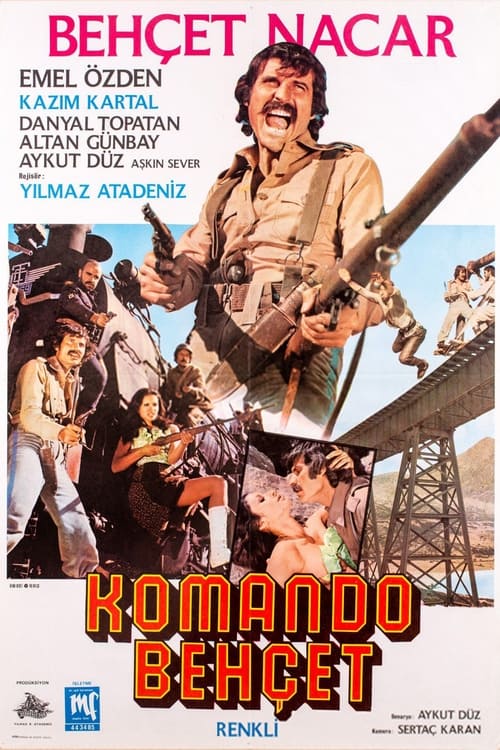
The film tells the story of a professional soldier who goes to Rwanda to end the civil war. A coup is staged against the president of Rwanda. The revolution spreads quickly, and the rebels massacre the people in the areas they have captured. The president of Rwanda calls on the professional soldier Panther to come to the country. Panter is tasked with rescuing the people in a region called Majunka. However, the Rwandan president's true objective is to recover the millions of dollars worth of diamonds located there. Recovering the diamonds will secure the Rwandan president's support. All of Rwanda's military resources are placed at Panter's disposal. Thus, Panter and the team he assembles are thrust into a challenging battle.

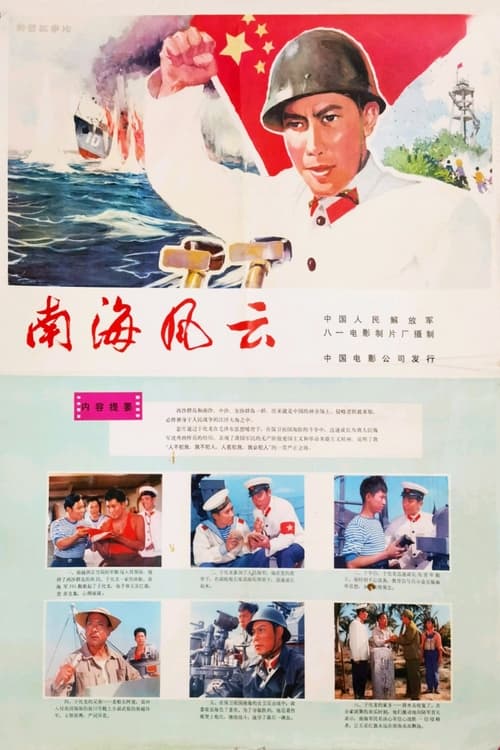
Dramatic representation of the Battle of the Paracel Islands (1974) between the China and South Vietnam.
Italian World War II flick direted by Luigi Batzella.
When a partisan attack on a Nazi officer sets off a chain of brutal recriminations, the inhabitants of a German-occupied Ukrainian village are faced with a sickening dilemma lest they not disclose the whereabouts of the fugitives at large.
In the spring of 1949, a war is about to happen between the Liberation Army and Kuomintang Army on the Yangtze River. The Liberation Army dispatches a reconnaissance to scout the southern parts of the River, whose work is actually full of hardships and dangers. However, with the help of the local crowd and the guerrillas, finally, the members of the reconnaissance succeed in the commission and offer valuable information to the Liberation Army, making great contributions in the war.
The Sailor and the Seagull was released by the U.S. Navy in 1949 with a simple goal: encouraging servicemen to re-enlist. In the film, a disgruntled sailor named McGinty complains about the raw deal he believes he is receiving by serving in the Navy. As luck would have it, a seagull comes to release him from service so that he can experience the freedom of civilian life. McGinty soon learns, however, that civilian life means less freedom and less money than he had imagined and quickly jumps at the chance to re-enlist. (cont. http://blogs.archives.gov/unwritten-record/2013/09/26/sailor-and-the-seagull/)
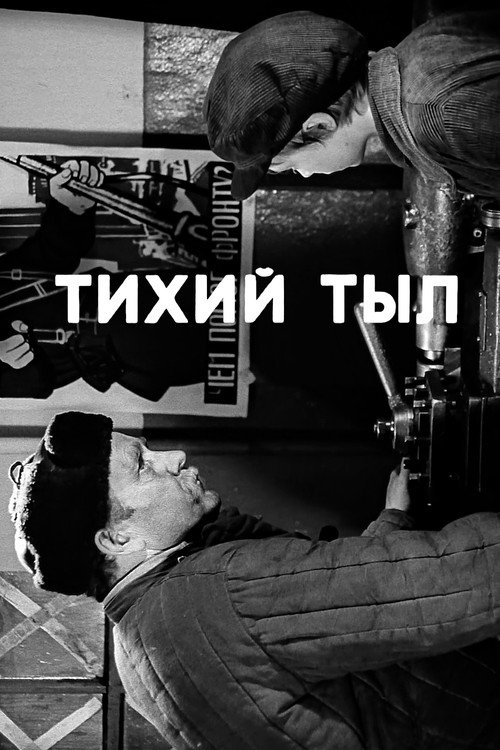
During World War II, a very young boy comes to a local factory to help produce weapons for the front. His father is missing, his mother is ill, and their bread ration cards have been lost.
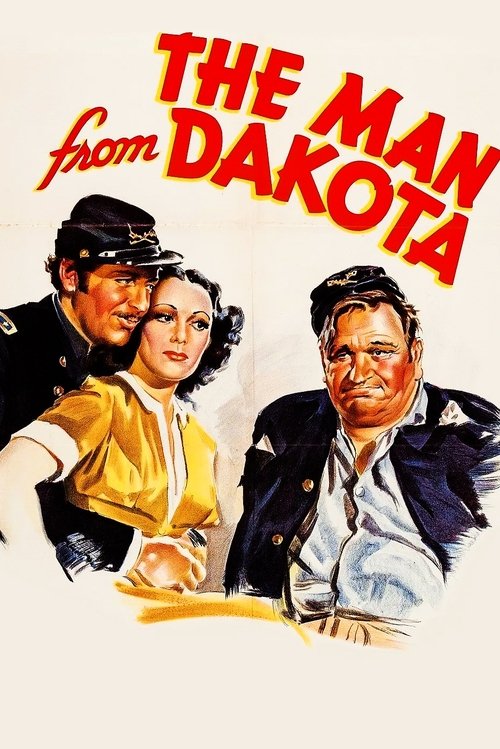
A frontier scout, a Boston officer and a Russian girl escape with a map past Confederates.