Protocol Archives • Browse all War titles in HD
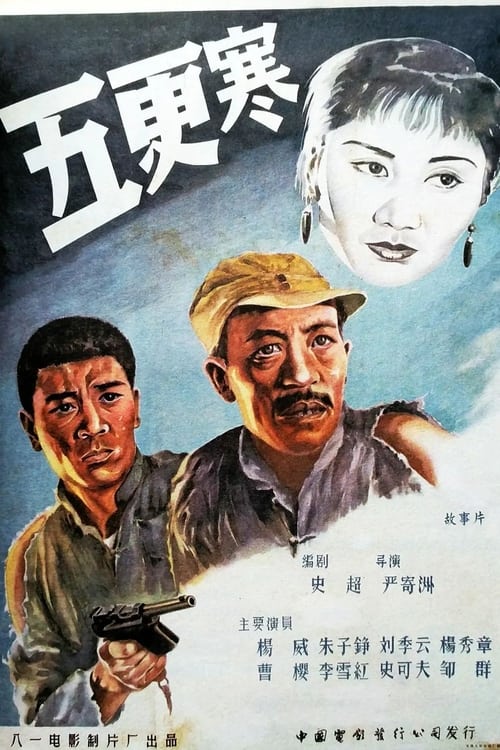
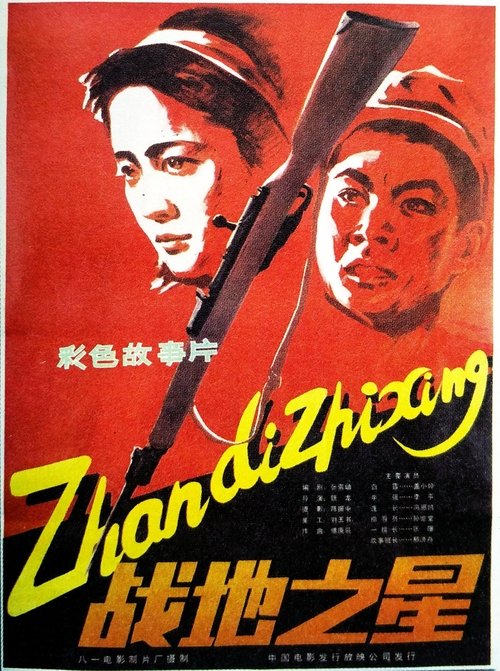
In 1946, Chiang Kaishek commits 200,000 troops to an attack on the Communist-held central plains of China. After the PLA main force in the area retreats, the Nationalists also capture the area around the Dabie Mountains. County Party Committee Secretary Liu and county organizations department director Mo Wenjie lead a guerrilla troop against the KMT forces. Will the film belief of the revolutionary cadre be able to overcome not only the enemy, but cold, hunger and betrayal?
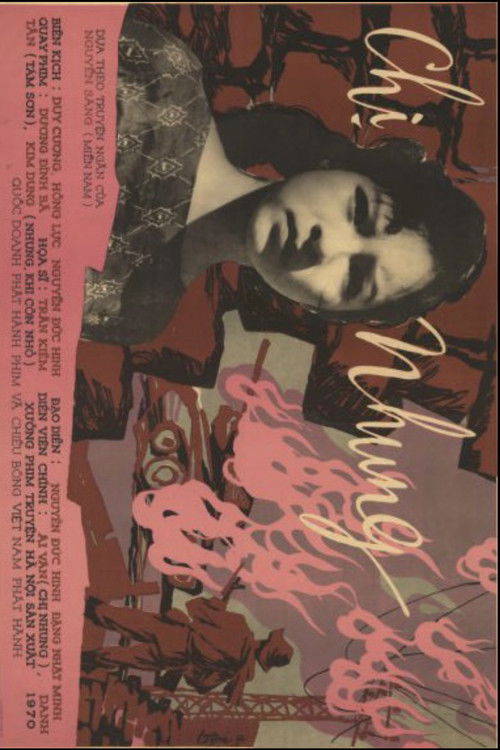
The film is anchored by a wartime re-encounter between a servant child and a tutor, transformed in the crucible of the spring 1968 Saigon offensive.
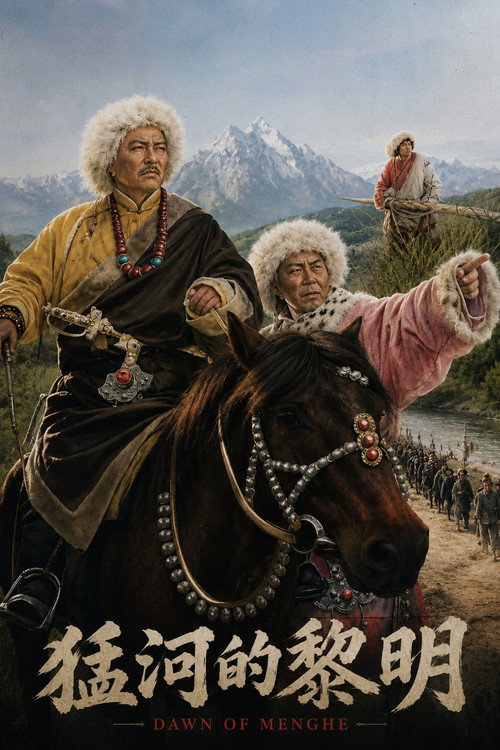
In the early days of liberation, Kuomintang remnants fled to the Menghe Tibetan region. The government sent Chen Shaohua’s political work team to secure local chieftain Luobu Danzeng’s help against the enemy. Spy Xie Chunfu deceived Luobu Danzeng, causing conflict between the Menghe and Wari people to undermine the Communist Party and plan a counter-revolutionary uprising. Chen Shaohua implemented ethnic policies to win Luobu Danzeng’s support and investigated the spies’ activities. Xie attempted to poison steward Lang Jie, but Lang Jie discovered the plot. Nationalist spies threatened Luobu Danzeng to detain the work team. Chen Shaohua sent Xiao Li and Dali Jie to the military division. The People’s Government advanced into Menghe, prompting Xie to assassinate Lang Jie to eliminate witnesses. Before dying, Lang Jie exposed Xie’s plot to Luobu Danzeng, who apologised and cooperated with the People’s Liberation Army to eliminate the remnants.

Detailed and fascinating documentary telling the history of the famous German battleship of World War II. The urgent British hunt and the German ship's efforts to escape are described through vintage film and recollections of both British and German veterans of the battles.
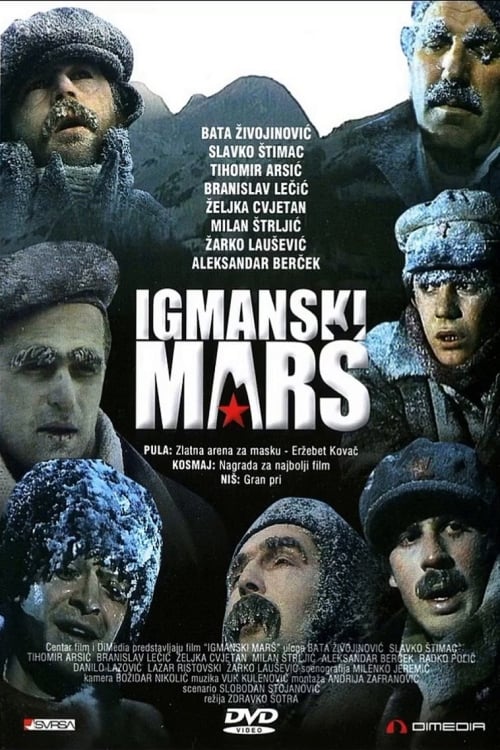
The story of a forced march of the first proletarian shock brigade during World War II.
Deep in the woods of Maine, a broken promise made after the September 11th attacks forces two friends to confront the teenagers they were and the men they've become.
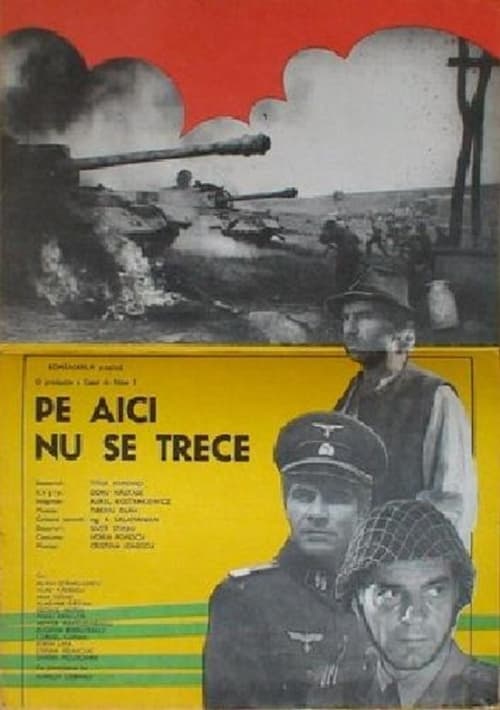
In August 1944, students at the military school for officers must defend the country's border from the Nazis during the Battle of Păuliș in Romania's northwestern border.
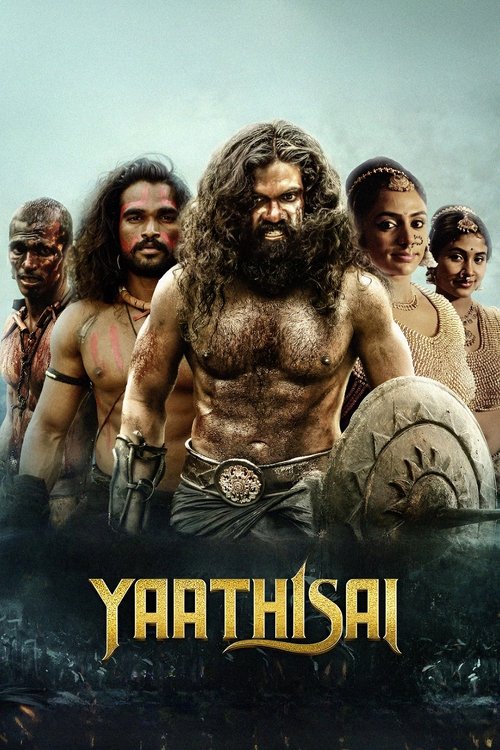
Set in the 7th century, Kodhi, an young hot-blooded warrior from the Einar clan, believes that his birth is destined to free his fellows from the nomadic life that they lead and goes on an impossible mission, to revolt against and defeat the Pandiyan king Ranadheeran.
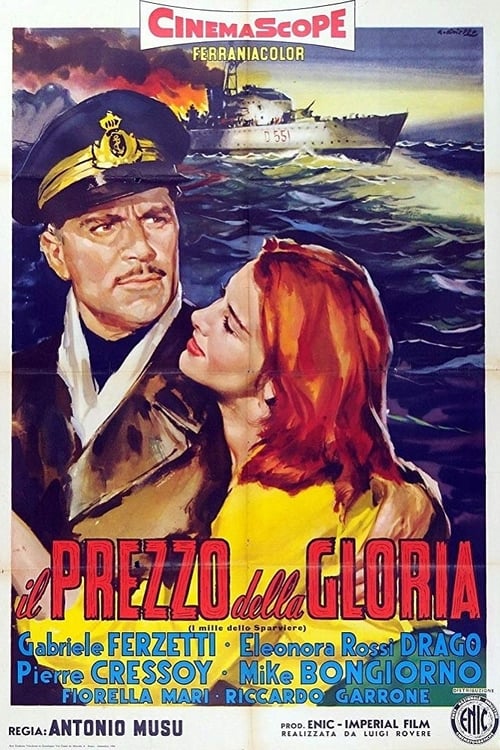
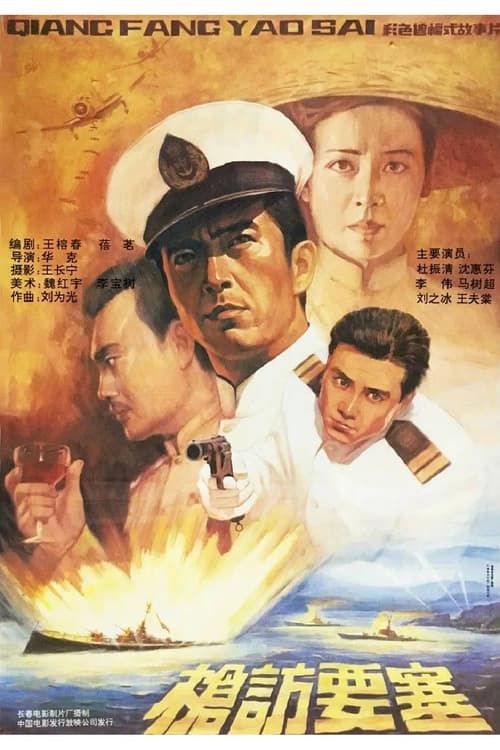
A destroyer departs from the port of Taranto with orders to take a load of petrol to Tobruk at all costs.

Pedro Calungsod, a young Filipino man, leaves his Visayan native roots to join the Spanish Jesuit priest Fr. Diego de San Vitores in his mission to the Marianas Islands (Guam) in 1668. The San Diego Mission arrives in the Marianas where the young Pedro, a trained catechist and mission assistant, begins work for Fr. Diego de San Vitores in baptizing the Chamorro natives, preaching the holy gospel and spreading the good news of salvation through the Christian faith amidst paganism, doubt and disbelief. Despite the longing for his father and the threats to their lives, even at the peril of death, Pedro and Fr. Diego continued their missionary work. They roamed the dangerous islands and baptized many more natives and continued to enlighten them about Christianity.

The film begins after Alexander the Great (Sikander in Hindi/Urdu) conquers Persia and the Kabul valley and approaches the Indian border at Jhelum. Sohrab Modi plays the Indian king Puru (Porus to the Greeks). The story goes that when Sikander defeated Porus and imprisoned him, he asked Porus how would he like to be treated. Porus replied the same way a defeated king is treated by the winner (meaning killed).
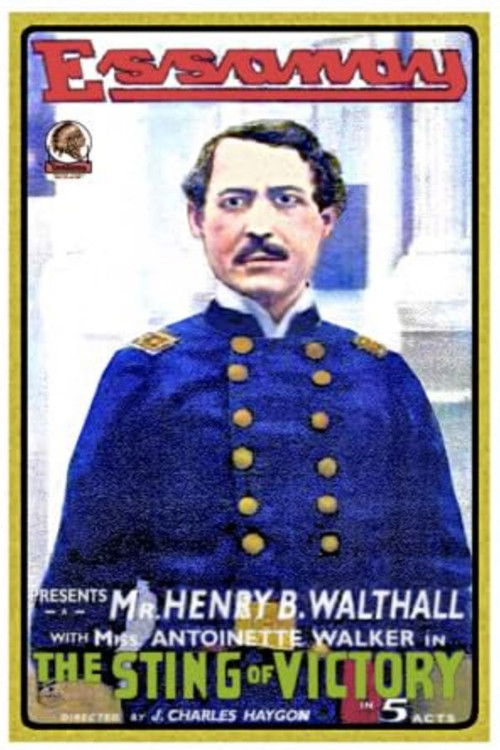
David Whiting belongs to a fine old aristocratic family of the south and is an officer in the United States Army. He believes in the Union and he is opposed to slavery. When the Civil War breaks out he frees his personal slaves and joins his regiment to fight for the north.
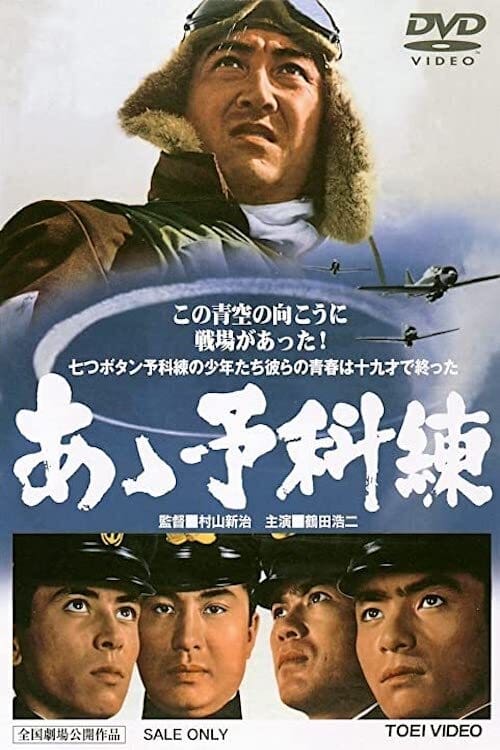
The film is dedicated to the souls of flight school graduates killed in World War II. Young boys dream about becoming pilots and apply to flight schools. However, the flight schools have extremely demanding, harsh training, and once they finally become pilots, they must become suicide bombers and give their lives for their homeland.
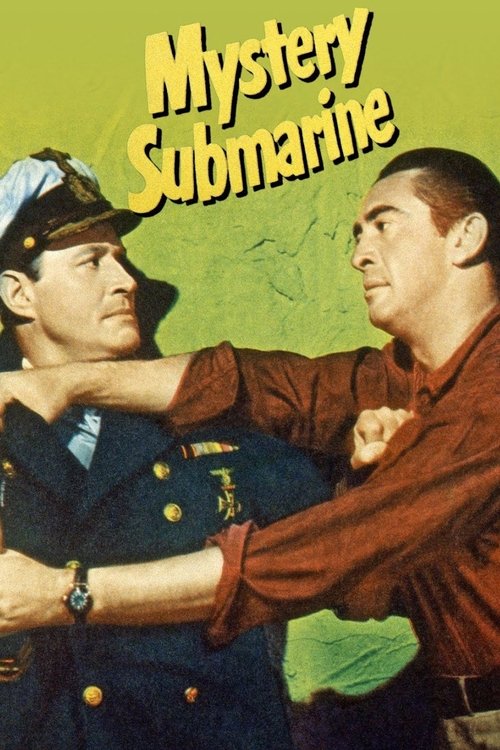
Posing as an ex-German medical officer, a U. S. Navy Intelligence Officer sets out to rescue a kidnapped scientist, and sink a Nazi submarine, hiding off the coast of South America.
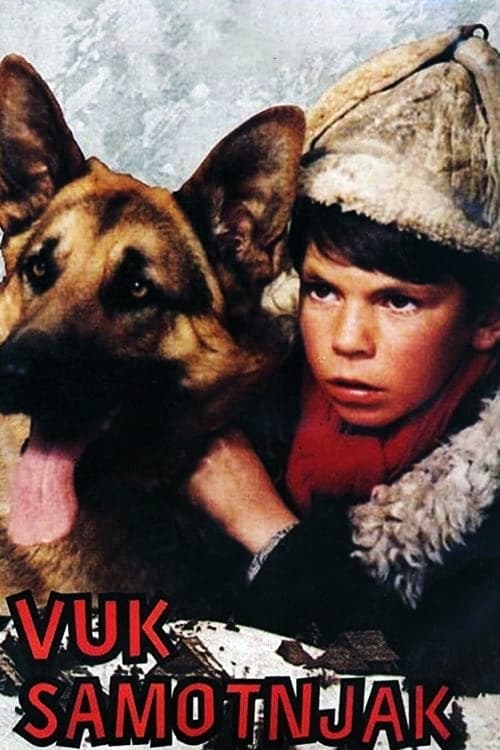
The film follows a young boy named Ranko who discovers a large German Shepherd in the mountains, a remnant of the recent war. After freeing the dog from a trap, Ranko befriends the animal and, based on an inscription on its collar, names him Hund. However, the local villagers mistake the dog for a dangerous wolf, a "lone wolf," and resolve to kill it. Fearing for his new companion's safety, Ranko secretly brings food to Hund in the mountains. In a turn of events, the dog saves Ranko from a real wolf attack. The villagers, convinced that this "lone wolf" is responsible for killing sheep, organize a hunt. In a climactic moment, Ranko manages to save his loyal friend from the hunting party, solidifying their bond.

After the novelette of the same name of Huseyn Abbaszadeh. The film is about friends' meeting who fought together as a partisans in Belorussian detached force.

The 1916 Battle of the Somme remains the most famous battle of World War I, remembered for its bloodshed and its limited territorial gains. What is often overlooked, however, is the literary importance of the Somme: more writers and poets fought in it than in any other battle in history. Narrated by Michael Sheen, War of Words: Soldier-Poets of the Somme details the experiences of the poets and writers who served in the battle. The work of Siegfried Sassoon, Robert Graves, David Jones, Isaac Rosenberg and JRR Tolkien (who arrived at the Western Front with ambitions to be a poet) was informed and transformed by the battle. Taken together, their experiences allow us to see this dreadful historical event through multiple points of view. The film uses animation, documentary accounts, surviving artefacts, battalion war diaries and the landscape itself to reconnect this literature to the events that inspired it.