Protocol Archives • Browse all War titles in HD

A reconstruction of Lord Allenby's Palestinian campaign.
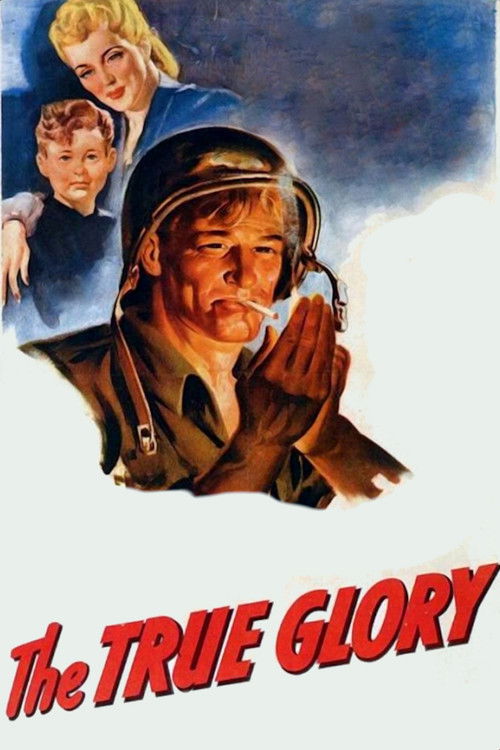
A documentary account of the allied invasion of Europe during World War II compiled from the footage shot by nearly 1400 cameramen. It opens as the assembled allied forces plan and train for the D-Day invasion at bases in Great Britain and covers all the major events of the war in Europe from the Normandy landings to the fall of Berlin.
Two young women, frustrated by war rationing, have a dream illustrating the likely results on prices in America should the measure were prematurely lifted. Preserved by the Academy Film Archive in 2008.
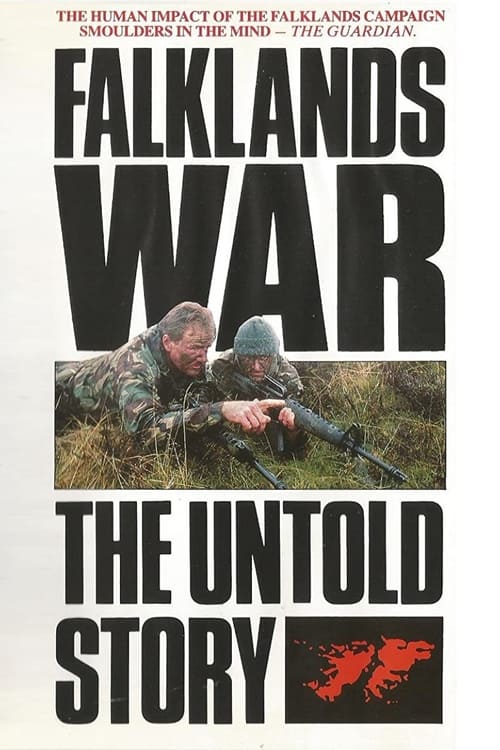
Five years after the war in the Falklands between Britain and Argentina, many facts were still wrapped in red tape. Many of the key figures had remained silent. No-one had been to Argentina to tell the other side of the story. For the majority of the British people, the war was another glorious chapter in their history. With flags waving and bands playing, British troops had sailed away to repel the invaders. Patriotic emotions were stirred as they returned victorious. Government MPs tried to get the film banned, but Yorkshire TV's telephones were jammed with messages of support from wives and mothers of those who died in the conflict. Called 'the documentary to end all documentaries about the Falklands War' in the British press, it was also described as 'more poem than polemic - a hymn against war'.
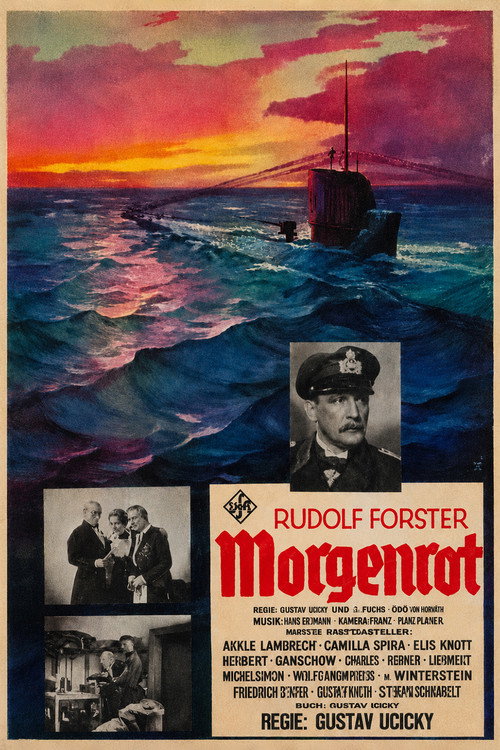
Released three days after Adolf Hitler became Reichskanzler, it was the first film to have its screening in Nazi Germany. It became a symbol of the new times touted by the Nazi regime. The title (literally "morning-red") is the German term for the reddish coloring of the east sky about a half hour before the sunrise. On patrol Captain Liers and his submarine crew sink an important British ship, but while returning to harbour, they're lured into a trap by a British vessel disguised as a neutral Danish one. They sink it after it attacks them without warning, but while they prepare to rescue survivors, a British destroyer sinks the sub. On the sea bed 60 feet down, with all but the bridge flooded, the 10 surviving crew have only 8 rescue devices. Liers orders the crew to use them, but they disobey - either all escape or nobody does.
Love Have I Known follows the relationship between English schoolboy James and a fellow German pupil, Otto. They realise their love for each other just as the Great War breaks, and the pair must now navigate their relationship in the knowledge that their nations are fierce enemies at war. Doing so will be far from easy, as they come to terms with the reality that they might have to face each other across the battlefield.
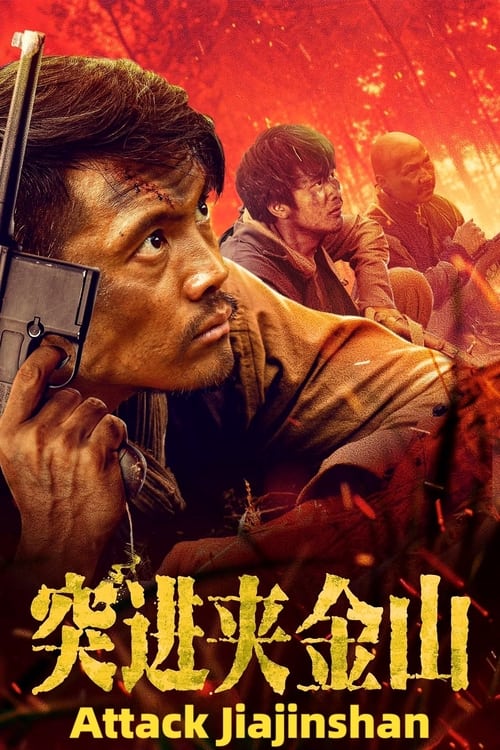
A Red Army reconnaissance team embarks on a vital mission to cross Mount Jiajin, the first major snow-capped mountain of the Long March. Along the way, they engage in fierce battles with the Nationalist army and confront mountain bandits. In a surprising turn of events, they find themselves forming unexpected alliances. As they navigate challenges and dangers, their journey becomes a test of courage and resilience, leading to a significant milestone in their quest.

Nostalgic comic drama in which Cyril and Amos, two veterans of the Normandy landings, return to France to visit the grave of their wartime buddy. They encounter Waldo, an American on a similar mission, and the meeting sparks memories of an old girlfriend from the past. With the mysterious American lady Lisa in their wake, Cyril and Waldo decide to try and track her down.
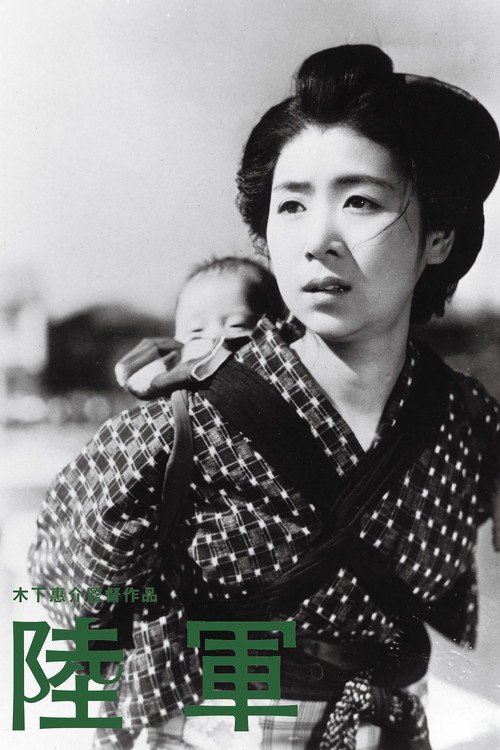
Though plagued by ill health all his life, a young Japanese man is obligated to fulfill his family's longstanding military tradition.
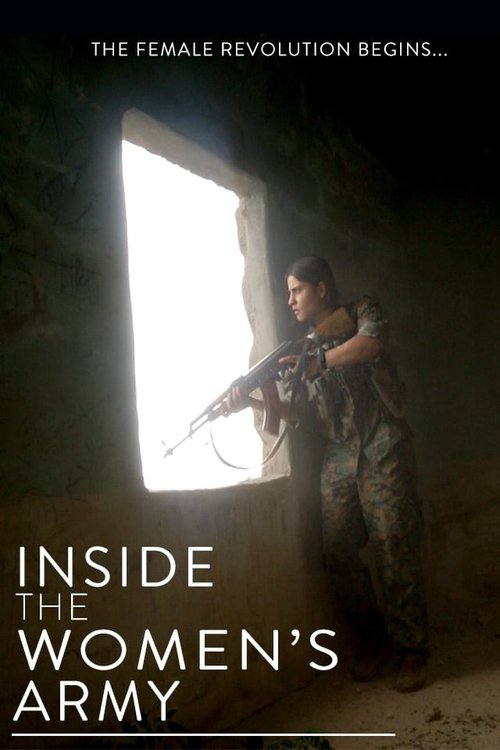
The story of Jiyan Tolhildan who fights for women’s freedom and against ISIS. This is a shortened TV version of the documentary film “Jiyan’s Story”.
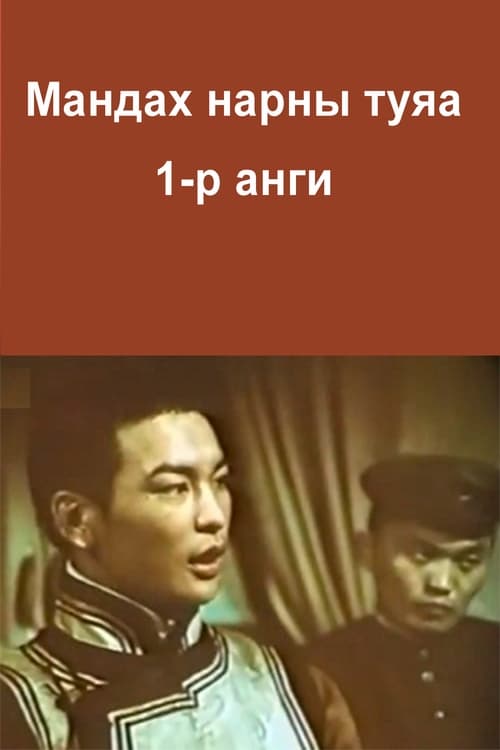
The work reflects the historical life of the great general D. Sukhbaatar, who started participating in the People's Revolution.
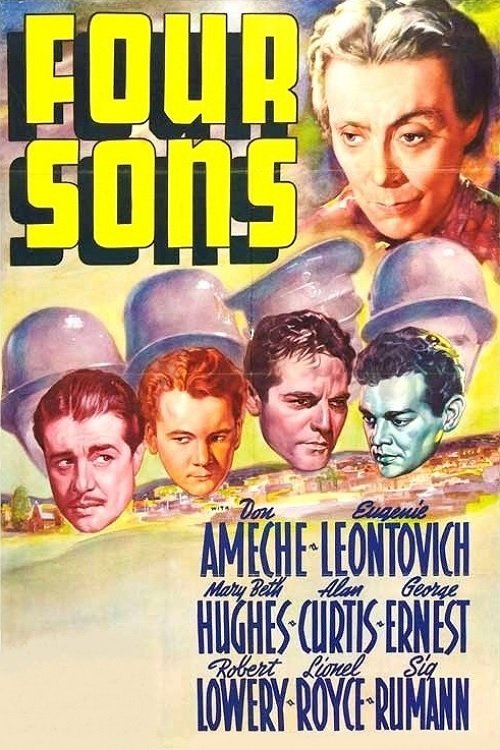
Four Sons is a 1940 film directed by Archie Mayo. It stars Don Ameche and Eugenie Leontovich. It is a remake of the 1928 film of the same name.
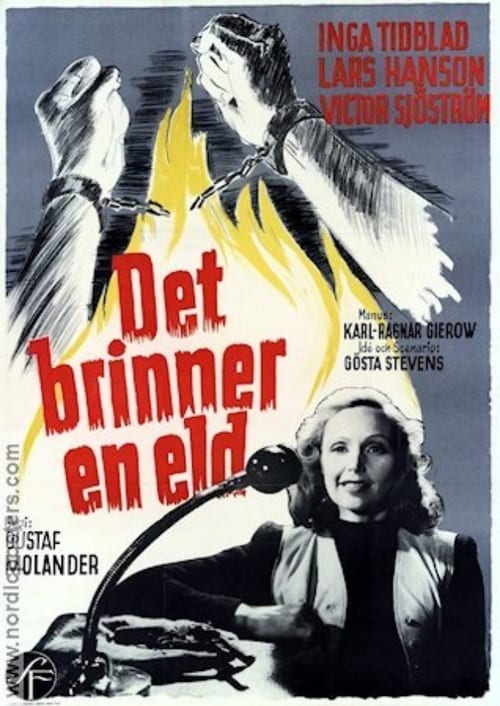
An allegory of Germany's WWII occupation of Norway. Members of a theater ensemble join the resistance.
A young, stubborn and undisciplined man goes to serve in the army, where he will understand the need for military service...
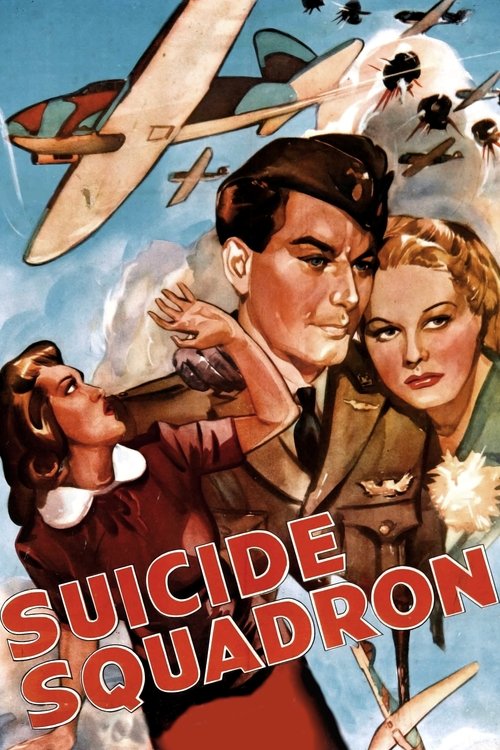
Stefan Radetzky, a Polish pilot and famous concert pianist, is hospitalised in England from injuries sustained while in combat, and having lost his memory. As Radetzky plays the piano in a trance-like state, the story moves back in time to war-torn Warsaw. During an air-raid, Radetzky meets American journalist Carole, and there is a mutual attraction. Following the fall of Poland, Radetzky and Irish pilot, Mike, escape to Rumania and then on to America. Radetzky continues his musical career in America and meets up again with Carole.
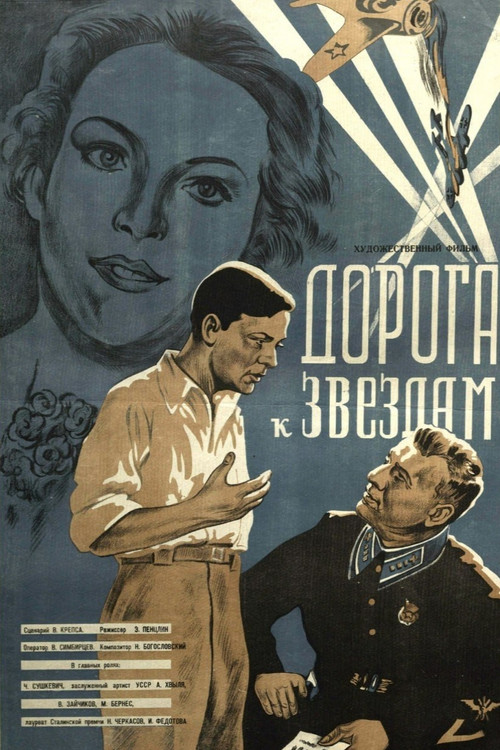

A middle-class family shelters a freedom fighter in war-torn Dhaka.
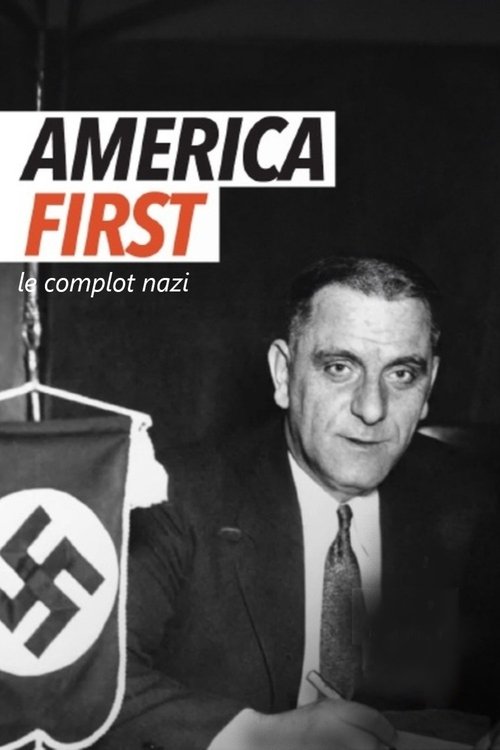
April 17, 1944. A high-profile trial for sedition opens in Washington. Dozens of individuals—including members of Congress—are accused of cooperating with German forces, participating in pro-Nazi movements, and plotting to overthrow the U.S. government. How did this happen in the world's greatest democracy? And why does no one remember this major episode in American history?
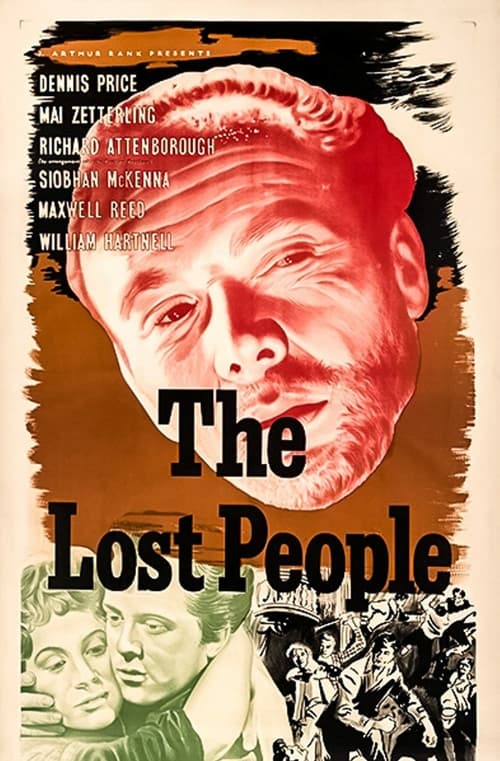
Set in a German theatre after the Second World War, two British soldiers are holding a disparate and hostile band of refugees in this theatre, prior to returning them to their homelands. The soldiers have difficulty dealing with the rivalries between Serb and Croat, resistance fighter and collaborator, Pole and Russian, etc. The threat of plague briefly unites them, but eventually even this wears off and the refugees unite in their hostility to the British.
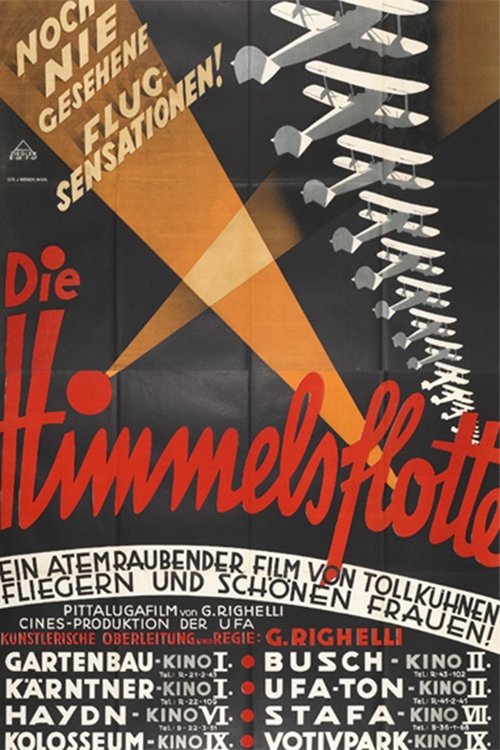
Italy's first flying film showed the strides that land had made in aviation, preparing for military action under Fascism.The 3 comrades of the plot have their differences but work together and 2 of them at least find romance back on earth.