Protocol Archives • Browse all War titles in HD
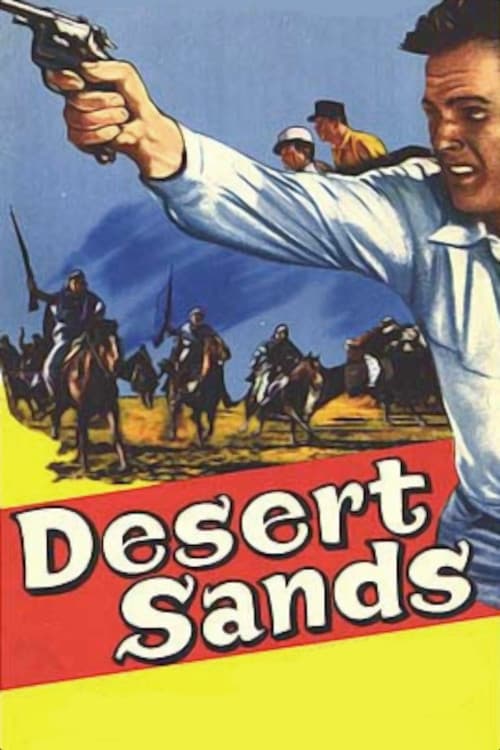
The French Foreign Legion battles rebellious Arabs in North Africa.
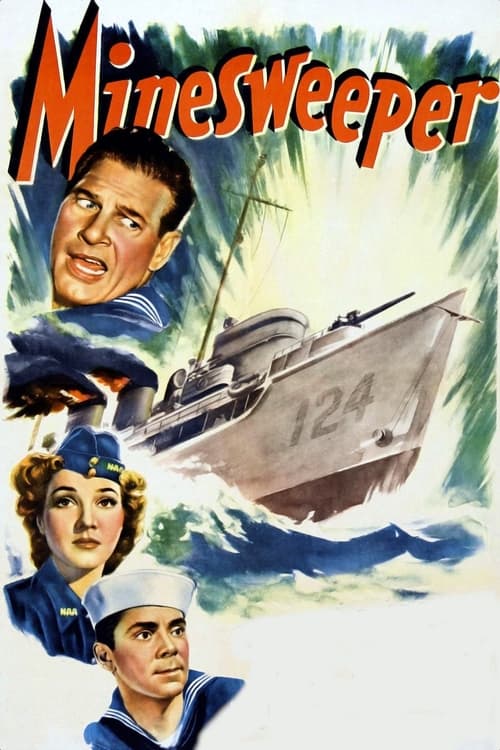
A naval officer who had deserted several years earlier is drawn back to the Navy when World War II begins. He re-enlists under an assumed name, and is assigned to a minesweeper, where he has to perform hazardous duties while at the same time keeping his real identity a secret.
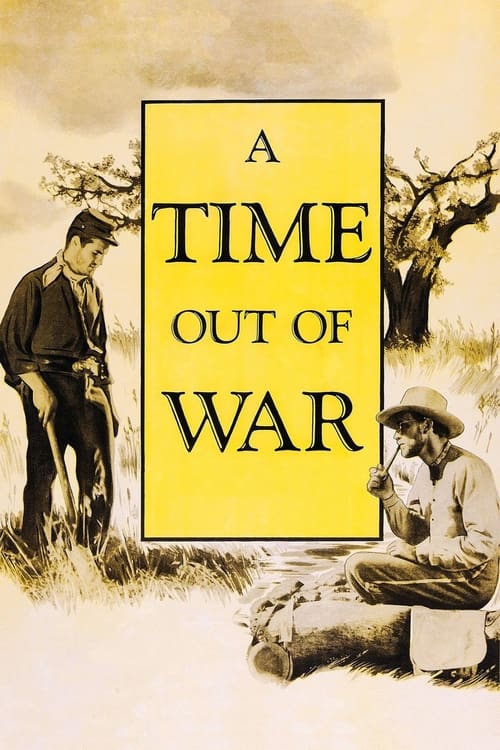
Black and White UCLA Student Film, Preserved by the Academy Film Archive. During the American Civil War, two Union soldiers and a Confederate solider fire at each other from across a brook. The two sides negotiate a one-hour truce, from which they develop a bond. Based on the short story "Pickets" (1897) by Robert W. Chambers, it was the winner of an Academy Award for Best Short Subject (Two Reel) film in 1955. The film is on the National Film Registry for its cultural significance in 2007.
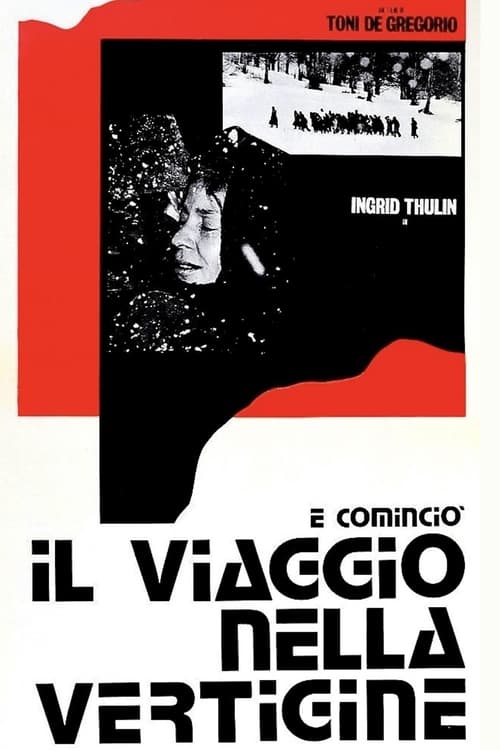
A war film based on the novel "Journey into the Vertigo" by Evgenija Solomonovna Ginzburg
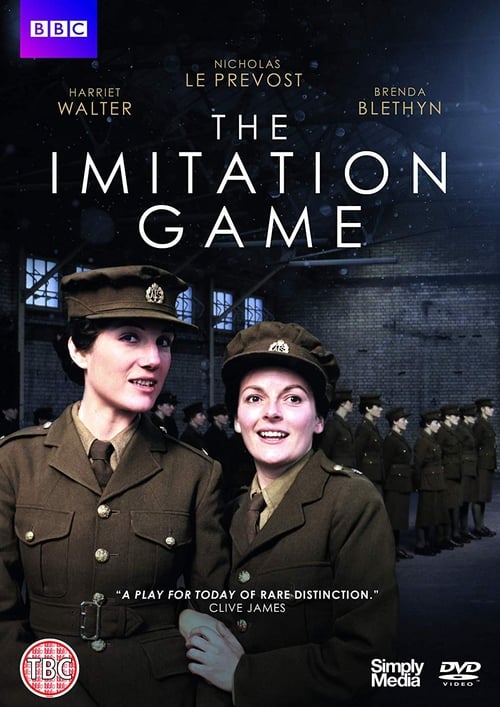
Second World War drama - A young woman decides against working in a munitions factory, and lands a post with the signals corps attempting to crack the Enigma code.
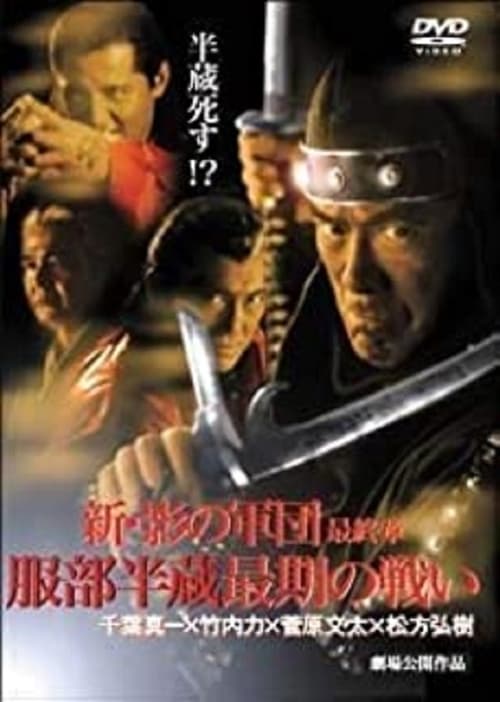
As the power of the Tokugawa Shogunate becomes firm, Hattori Hanzo struggles against Sarutobi Sasuke and Sanada Yukimura. At the same time, Sasuke and Yukimura are plotting a new trick with the Satsuma clan ....

A documentary about the 1944 mass escape from the German prisoner of war camp Stalag Luft III for British and Commonwealth airmen that eventually was dramatized by the famous film "The Great Escape".
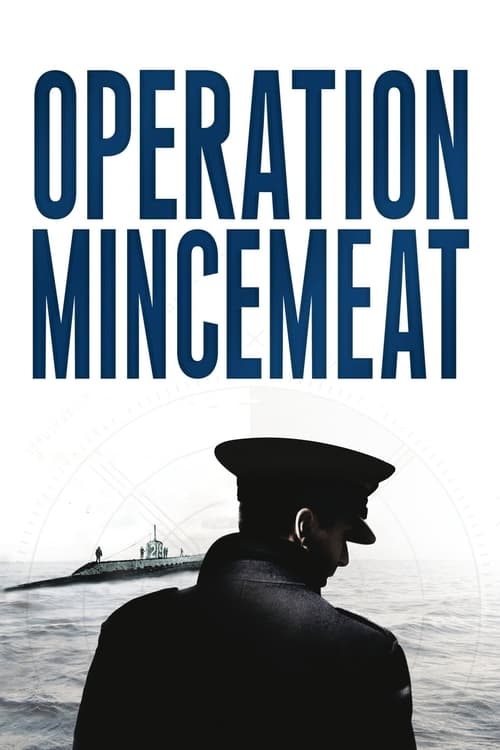
Documentary detailing the successful Operation Mincemeat in 1943, which led to the Allies successfully invading Sicily and the war turning in their favour.

He is Khagani Aliyev, a resident of Saricali village of Aghdam. On July 23, 1993, Khagani Aliyev, who heard about another Armenian attack on Aghdam, went home to take his parents who had not left the village to a temporary safe area...
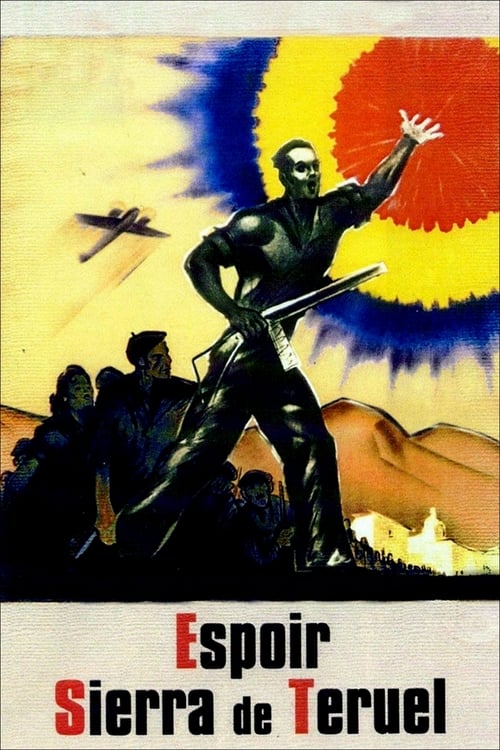
Spanish Civil War, 1937. A platoon of Republican soldiers plans to stop the advance of the rebel troops by bombing a bridge on the road to Zaragoza, near the city of Linás. With the close collaboration of the peasants of the area, the soldiers try to overcome the continuous bombardments and endure the harsh and tireless opposition of the powerful enemy…

a 30-minute short film about a desperate World War II P-47 fighter pilot
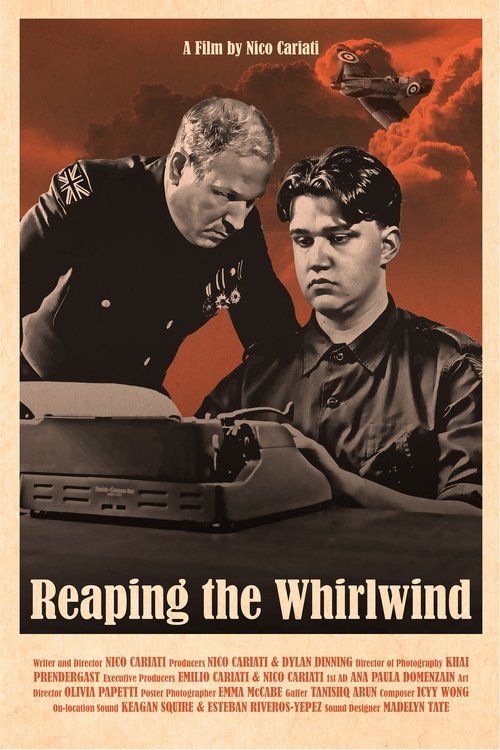
In the final weeks of WW2, as the Nazis are on the verge of surrender, a young British stenographer is faced with a difficult decision when his commanding officer orders him to write a letter authorizing an airstrike that could result in thousands of civilian deaths.
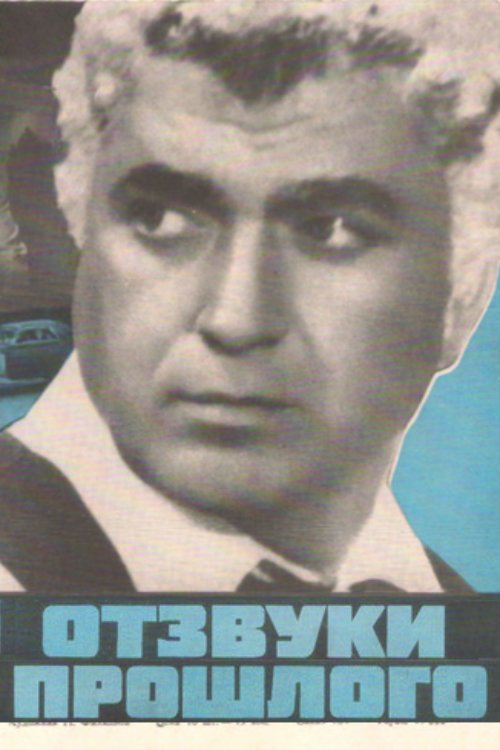
The well-known scientist was a spy in Germany during the Great Patriotic War, and he managed to obtain information about a secret German facility.

The story tells the life of a photographer who lived in areas of Iraqi Kurdistan and in areas where there was genocide. He has photographed the people of the villages and towns in the areas. And after a long time more than 25 years, the negative films passed from one owner to another. Recently one from the village of Asker found out about those pictures. then he starts searches from one village to another looking for the relatives of those missing in Anfal Military operations. He wants to give them the photographs of their missing people. With every photo, there are touching stories. For example, an old man and an old woman lost their five children in 1988 and have no pictures. Thirty years later, They are able to see pictures of their five children.
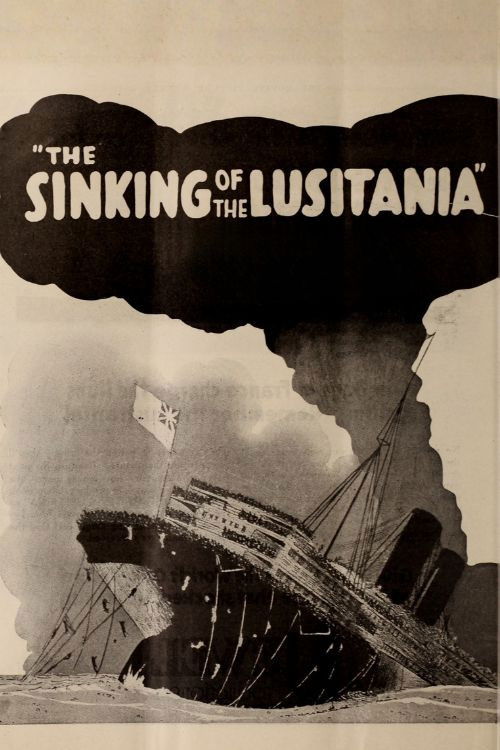
Winsor McCay recreates the sinking of the ocean liner Lusitania by a German U-boat in this propaganda piece designed to stir up anti-German sentiment during World War I.
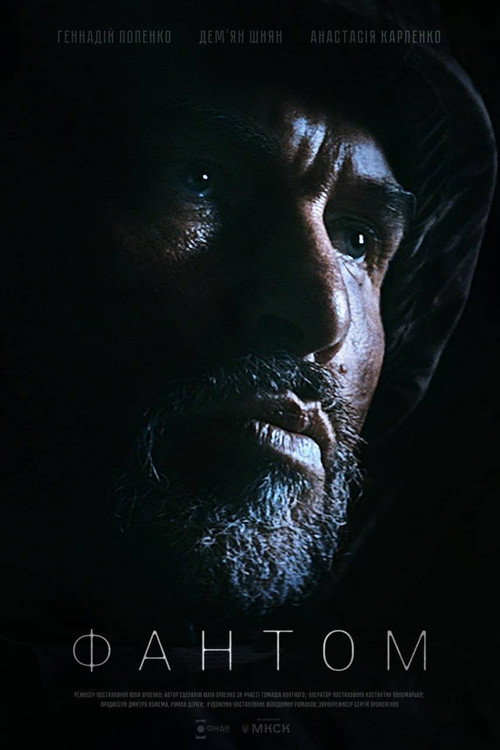
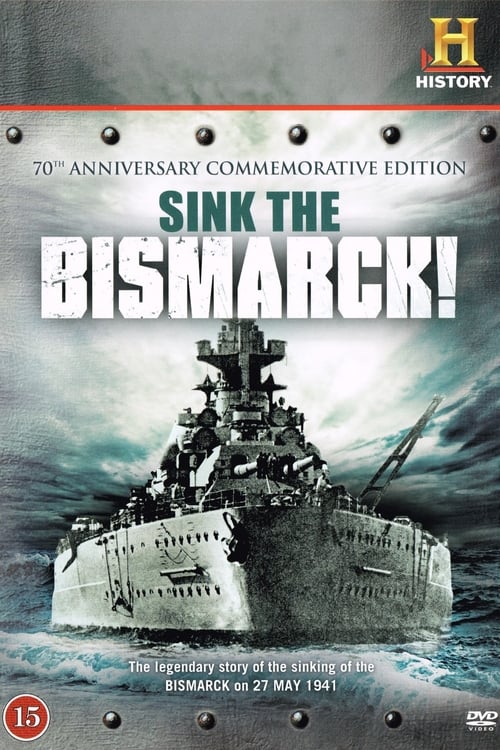
Detailed and fascinating documentary telling the history of the famous German battleship of World War II. The urgent British hunt and the German ship's efforts to escape are described through vintage film and recollections of both British and German veterans of the battles.
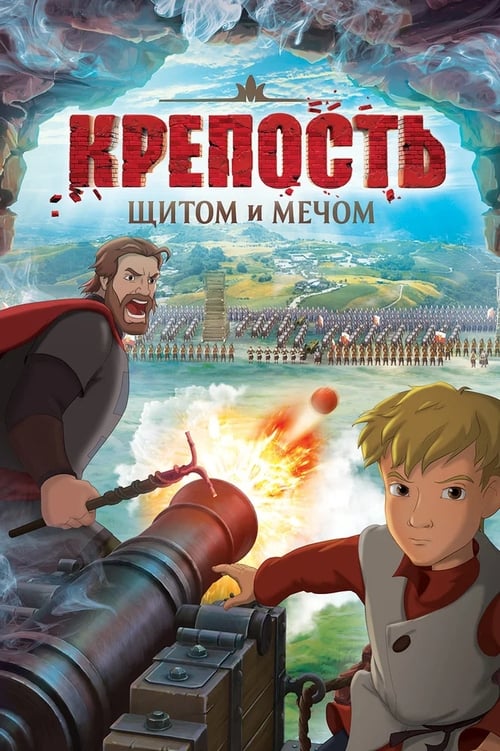
In the war-torn countryside, an orphan and his young friend use all their skills to defend their home and people from opposing forces.

Exploration of Rambo as a cultural icon and essential spirit of the Reagan era. Featuring Sylvester Stallone, cultural critics Susan Jeffords, Ella Shohat, and film critic John Powers. Produced for the "Rambo" Special Edition DVD box set.

Hsi Shih: The Beauty of Beauties was one of the most ambitious films made in the Taiwan film industry in the 1960s. After leaving The Shaw Brothers studio in Hong Kong and moving to Taiwan, filmmaker Li Han-hsiang mounted this historical epic. Told through the story of Xishi (Hsi Shih), one of the 'Four Great Beauties' of Chinese history, the film portrays the war between two Chinese Kingdoms during the Warring States Period (475-221 B.C). After the kingdom of Yue is defeated by the kingdom of Wu, King Goujian of Yue takes pains to prepare for his revenge and rebuild his country. Knowing that King Fucha of Wu is lewd and lustful, he offers Xisi to the court of Wu to serve as Fucha’s concubine, with Fucha unaware that she is also a spy. She uses her charm to draw Fucha away from his office and governance, while King Goujian rallies his forces together to attempt to reclaim his lands.