Protocol Archives • Browse all War titles in HD

A division of marines survive a battle with the Chinese army but find themselves stranded without contact on the wrong side of the front.

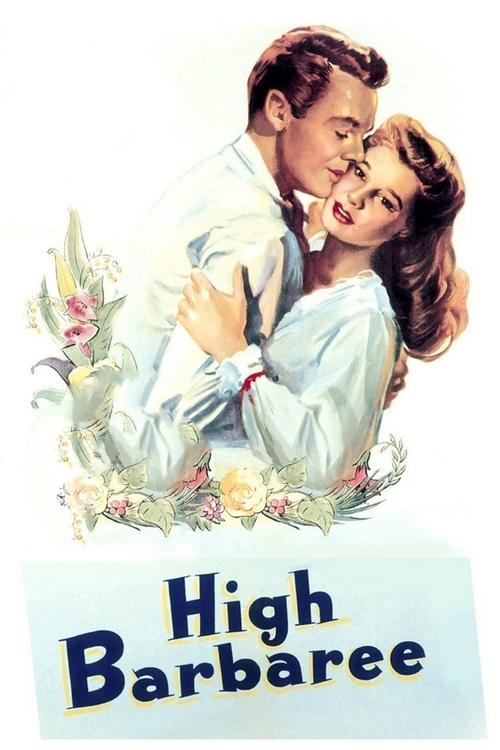
Leo Peret has a small quiet tobacco shop in Greenwich Village. Edward Livingston, a wealthy young clubman and man-about-town, occupies frequently ostensibly to buy cigarettes but in reality to talk to the daughter Jeannette, and he's soon in love with the shop girl.
After his plane is downed in the South Pacific, a Navy flier recounts his life to a co-pilot while awaiting rescue.
A three-minute long insight into the life of completely unusual people – a group of pacifists forced into hiding in the cellar of a ruinous house to escape a war tribunal. The difficulties of war are manly endured by the film’s characters. This film, like most of Yufit’s works, shows his love of 1920’s avant garde cinema, which was considered the highest pinnacle in cinematography. The director believes the art of moving pictures was more heartfelt before sound and colour. “The development of technologies is not a particularly positive thing for human existence,” says Yufit. —Arsenals Film Festival
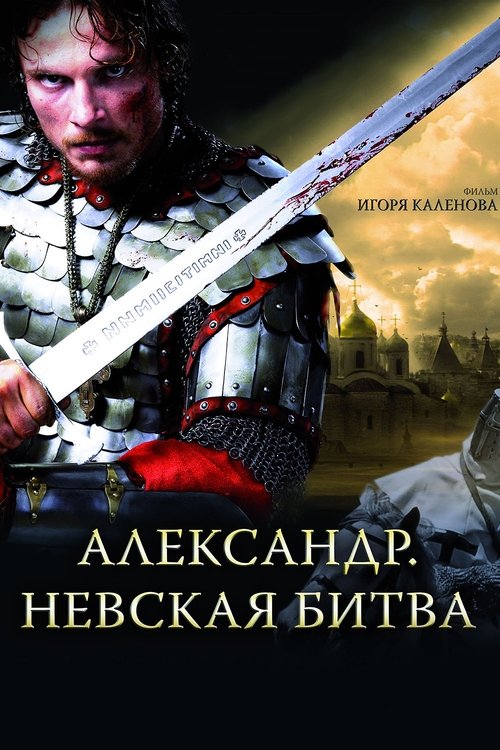
Young prince Aleksandr has to hold out against two enemies - the Horde in the east and the Teutonic order and Sweden in the west. He discovers that some boyars are plotting against him and are ready to betray Novgorod to the Swedes and the Germans to boost their trade. Meanwhile, his best friend falls under suspicion, as somebody tries to poison the young prince at his own wedding feast. Aleksandr has no way out - to defend his people against the invaders and to find the true poisoner.

The soldier Turok, who always gets into trouble, must take the wounded captain to the command post. Having met a German patrol, Turok stuns the German and takes him prisoner, but cannot find the way to the checkpoint. The captain himself went to look for her. Having again stunned and tied up the prisoner who had come to his senses, Turok returned to the battery and learned that the captain had decided to take him on his reconnaissance mission.
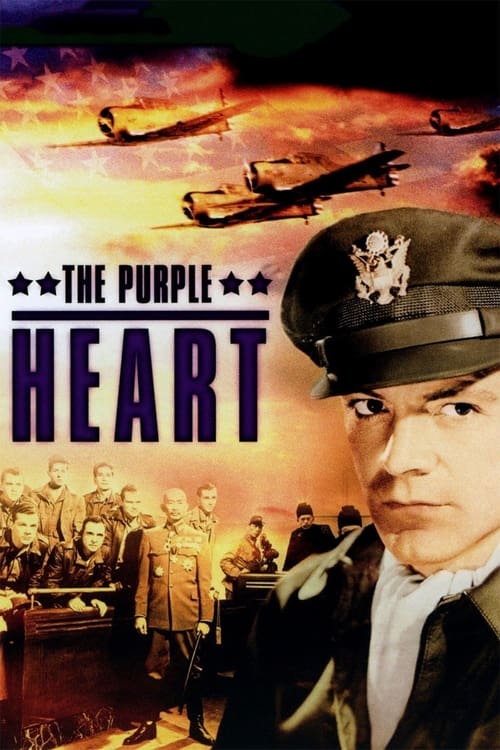
This is the story of the crew of a downed bomber, captured after a run over Tokyo, early in the war. Relates the hardships the men endure while in captivity, and their final humiliation: being tried and convicted as war criminals.

El ángel de Budapest (Angel of Budapest) is a Spanish 2011 television World War II-Holocaust miniseries based on the book "Un español frente al Holocausto" (A Spanish against the Holocaust) written by journalist and radio executive director Diego Carcedo. The plot focuses on Ángel Sanz Briz, a Spanish ambassador in Hungary during World War II who helped to save the lives of thousands of jews from the Holocaust by lodging them in Spanish safe houses in Budapest.

When Ruth's husband dies in New York, in 2000, she imposes strict Jewish mourning, which puzzles her children. A stranger comes to the house - Ruth's cousin - with a picture of Ruth, age 8, in Berlin, with a woman the cousin says helped Ruth escape. Hannah, Ruth's daughter engaged to a gentile, goes to Berlin to find the woman, Lena Fisher, now 90. Posing as a journalist investigating intermarriage, Hannah interviews Lena who tells the story of a week in 1943 when the Jewish husbands of Aryan women were detained in a building on Rosenstrasse. The women gather daily for word of their husbands. The film goes back and forth to tell Ruth and Lena's story. How will it affect Hannah?
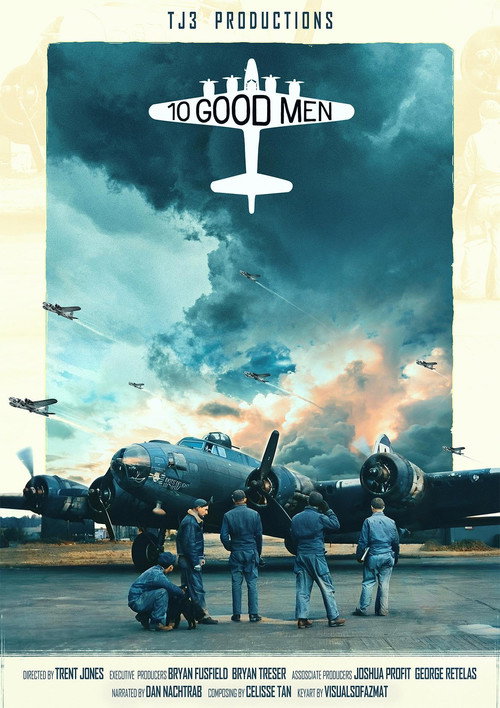
The B-17 Flying Fortress became an icon of American air power in World War II, but its legacy is written by the stories of the crews who flew it. Today, of the more than 100,000 veterans who flew on board of B-17 bombers during the war, there are only a handful remaining-but through years of searching, a few of the final survivors were brought together to tell this story one more time.

A cinematographic account of the reprisal ordered by the ruthless Austrian colonel Kappler in 1944 in Rome. In Via Rasella (Rasella Street) ten Italian civilians were sentenced to death for each German soldier killed in a partisan attempt.
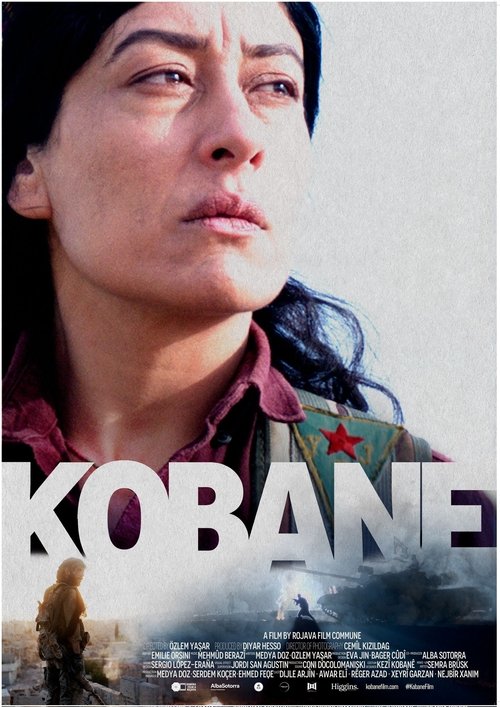
Despite being outnumbered and outgunned, a female Kurdish fighter guides her fellow fighters in the resistance to defend their city, Kobanê, from the deadly threat of ISIS. A real story of war, sacrifice, love and hope that kept the whole world on tenterhooks.

War propaganda directed by Edgar Neville about the Madrid Front.
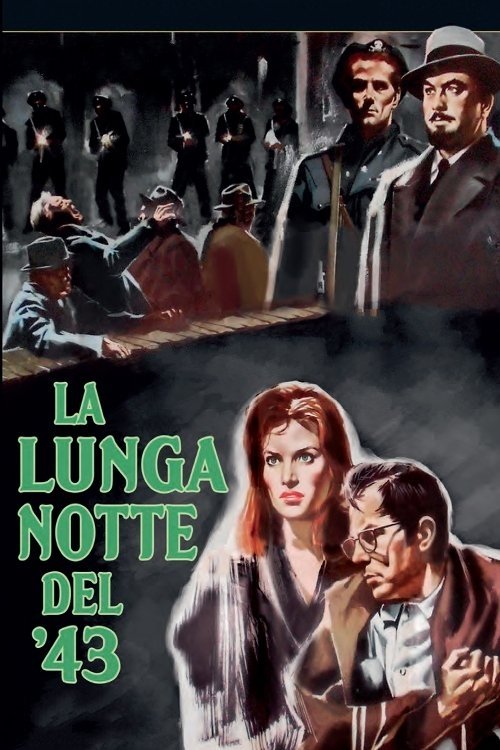
1943. The affair between Anna, unhappily married to wheelchair-bound Pino, and deserter Franco unfolds in foggy Ferrara, intertwining with the power struggle taking place within local Fascist ranks that culminates in a massacre of civilians, including Franco's father – Pino sees it all from his window, but will he tell anyone?

A young man decides to sell a family gem and set forth to America in quest of a new life. The man’s father resents this resolve, but finally he also gets inspired by the American Dream.
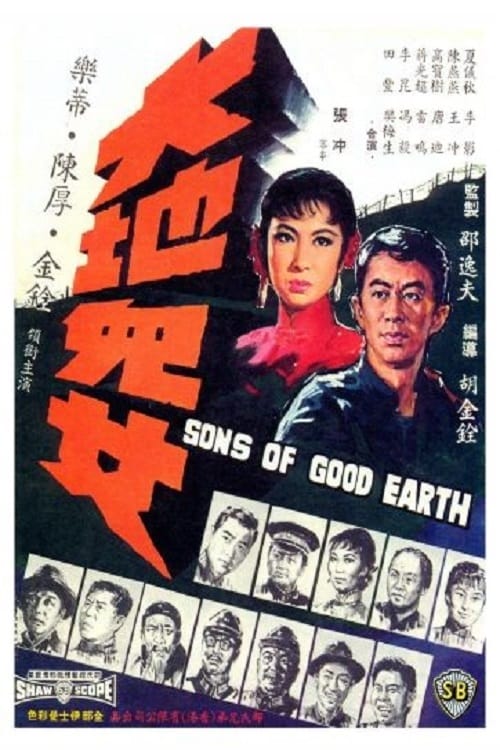
The year is 1937, just prior to the Japanese invasion of China. Painters Ju Rui and Lao San stumble upon He Hua, a woman sold into the sex industry at a local brothel.
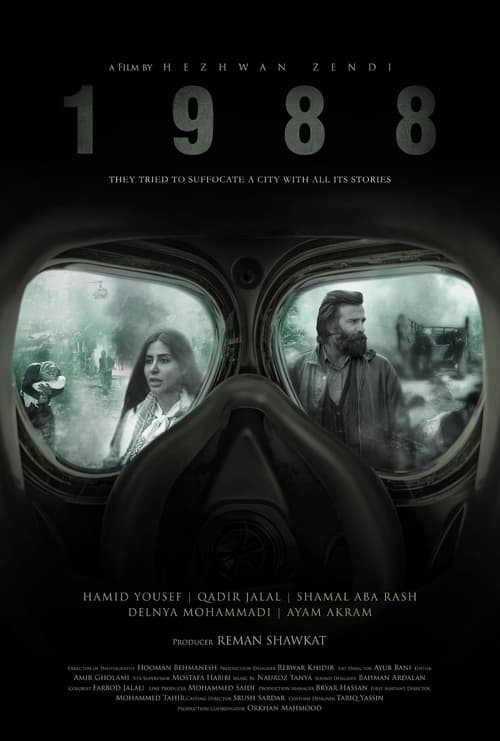
In the winter of 1988, in the depths of the Iraq/Iran war, the border town of Halabja was attacked by chemical weapons with all its people and their different stories.
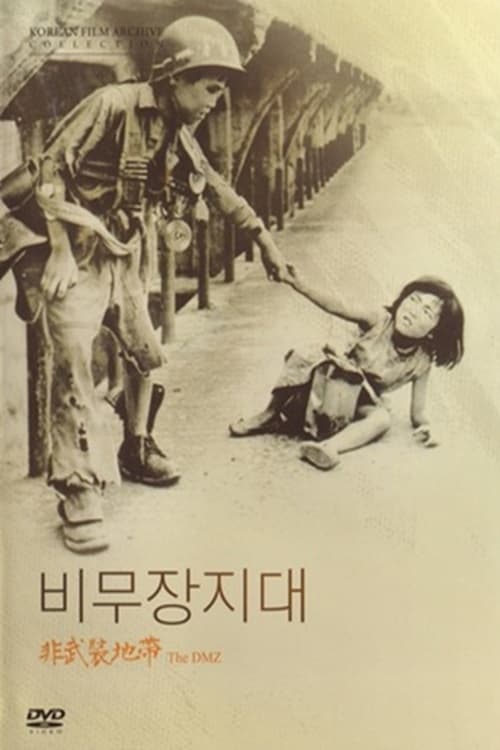
The film exposes the atrocities of war through the eyes of two children who are stranded in the DMZ after the end of the Korean War. The DMZ, strewn with abandoned tanks, dead bodies, land mines, and unexploded shells, is an exceedingly dangerous place for children. But what most endangers them in the end are not weapons but people.
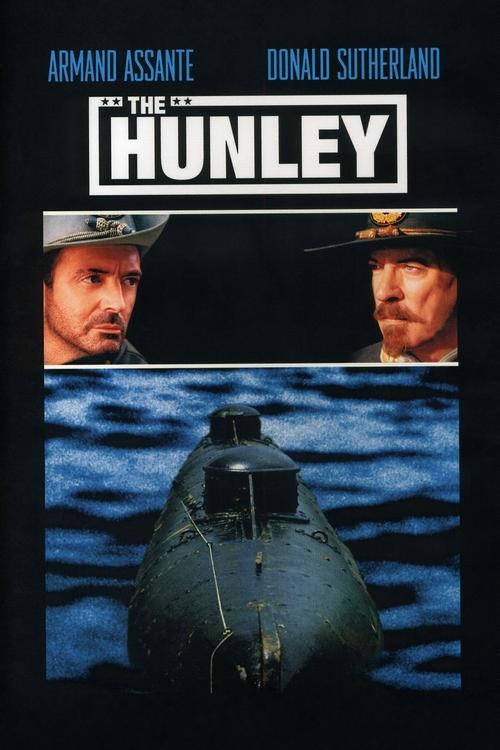
CSS Hunley tells the incredible true story of the crew of the manually propelled submarine CSS Hunley, during the siege of Charleston of 1864. It is a story of heroism in the face of adversity, the Hunley being the first submersible to sink an enemy boat in time of war. It also relates the human side of the story relating the uncommon and extaordinary temperament of the 9 men who led the Hunley into history and died valiantly accomplishing this feat.

Marcel Ophuls' riveting film details the heinous legacy of the Gestapo head dubbed "The Butcher of Lyon." Responsible for over 4,000 deaths in occupied France during World War II, Barbie would escape—with U.S. help—to South America in 1951, where he lived until a global manhunt led to his 1983 arrest and subsequent trial.