Protocol Archives • Browse all War titles in HD
The action takes place in Russia during the Second World War. One of the heroes - Kryukov - serves the Germans, the second - Eliseev - fights against the German occupiers.
One cold winter night in Afghanistan is about to get a whole lot worse for Rana Rae, a Gurkha soldier left to guard a British military outpost, when Captain Noah Brandt arrives looking for refuge from a group of rogue special ops and a cell of heavily armed Taliban. The two soldiers must fight for their lives as they attempt to call for backup before the rogue squad, led by the backstabbing Sergeant Bartlett, can hunt them down to retrieve a case of missile guidance chips that Noah intercepted. But Bartlett and his men do not count on Rana, whose ferocious Gurkha training makes him a force to be reckoned with.

A German Jewish industrialist is forced to hand over his business to the Nazis in order to ensure his family's safe passage out of Germany.
Former combat videographer Miles Lagoze presents personal footage of U.S. Marines in the Afghan war zone.
With World War I, the Bolshevik Revolution, and the Russian Civil War as backdrop, it's an old-fashioned, blood-and-guts narrative, filled with earthly humor and a wealth of colorful characters. The story concerns the fluctuating fortunes of Grigory Melekhov, a young Cossack who is both a hero and a victim of the uprising.

The power to decide follows a militia man and his captive, a young soldier, as he battles his heart and morals against the grim realities of war.
1992. Independent Azerbaijan is fighting separatists in Karabakh. Journalist Miranda arrives from London to shoot a documentary about the Caucasian leopard. Fate brings her together with the scout Emil. Together, they go through severe trials, during which Miranda learns a lot about the Caucasian leopard and the tragic pages of Azerbaijan's recent history.
The story begins in 1941 and shows one of the people who which were actually, very brave and proudly fought against the Ustasha, Germans and other butchers, not related to that ideology was tied. The film is about Dr. Mladen Stojanovic legend of Kozara and Krajina, great man, humanist, friend, and finally the commander one of a the proud partisan detachment, which is that area brought for a moment bring much desired freedom.
The film is set in Karafuto after the radio broadcast of the Imperial Rescript on the Termination of the War. On August 15, 1945, Soviet forces invaded Karafuto. On August 20, the postal telegraph office in Maoka suspended operations and nine of the twelve telephone operators committed suicide by taking potassium cyanide while the city was being invaded.
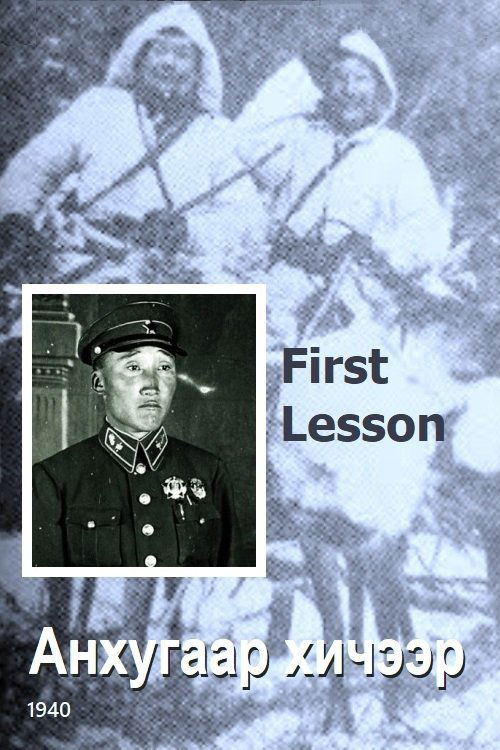
The story is based on the historical events of Gongor, a national hero who successfully performed his duty as a border guard. The fact that he played the hero Gongor himself in the main role helped to convince the audience of the fact that it became a movie. The fact that Sh. Gongor is fighting alone and winning against the enemies who violated the border has a tone that preserves the traditional characteristics of the Mongolian folk epic hero.
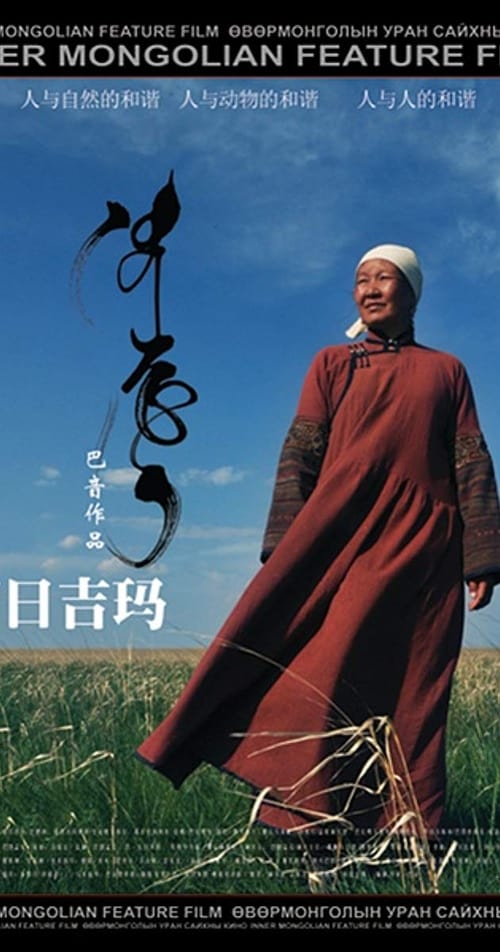
During WWII, two injured soldiers, one Japanese and one Russian, are rescued and nursed back to health by a Mongolian goat herder.

In April 1940, the armies of Nazi Germany invaded Denmark. The Danish government promised peaceful cooperation on the condition that Denmark's Jews remained free. The Nazis agreed. In October 1943, the agreement was broken... This is the true and magnificent saga of Denmark's valorous actions to save Danish Jews from Nazi extermination at peril of death!
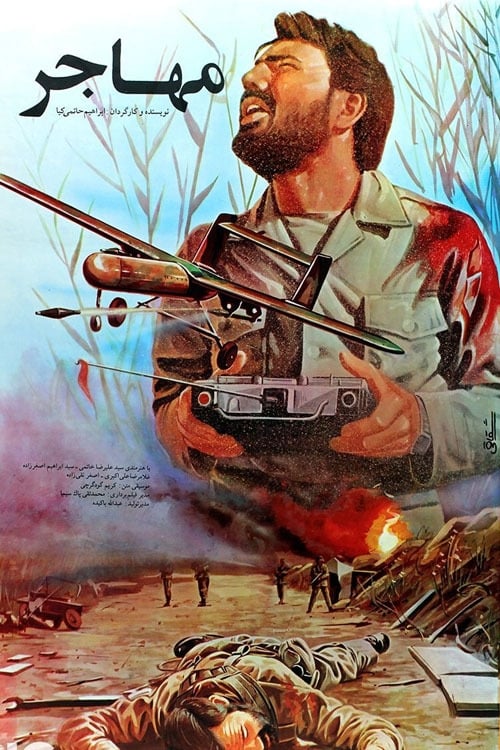
A man who controls small airplanes to detect Iraq's front line, is put in danger not being able to return.
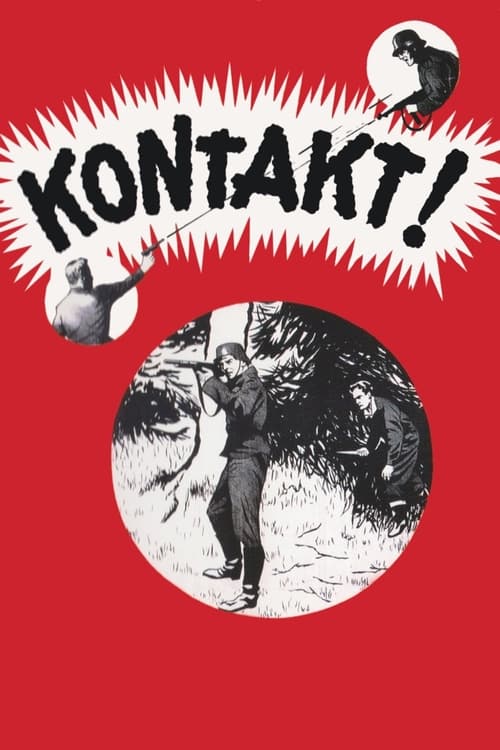
About the illegal radio station A.K.Y. and the men that operated it in Norway, based in Kristiansand and Oslo, that helped carry the fight against the Nazis in the bleakest days of WW2. The film is based on a true story, and several of those who participated in the real events play themselves.

A group of refractory and pacifist Bretons is sent to Algeria. These beings confronted with the horrors of war gradually become killing machines. One of them did not accept it and deserted, taking with him an FLN prisoner who was to be executed the next day.
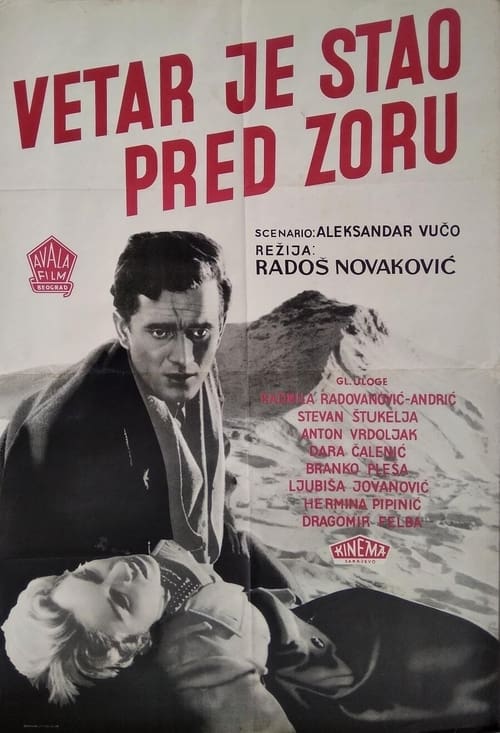
Members of Jasna's group are suspicious because of her firing from occupation Special police squad and they start avoiding her. She finds out the members of the group have been betrayed but they become even more suspicious. At the moment when they were ready to liquidate her the true traitor is revealed. Thanks to Jasna's courage an action becomes success and she regains their trust.
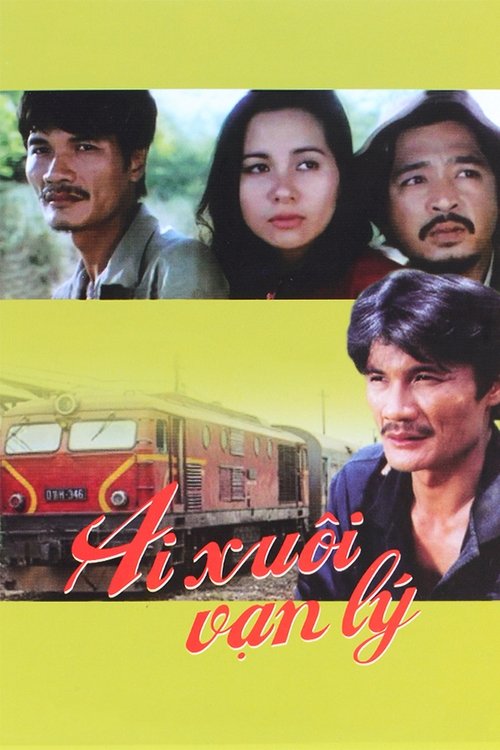
In 1981, six years after the withdrawal of US troops from Vietnam, Tan, a young former Vietcong officer, goes to take the ashes of his dead comrade, Thai, to his family in a remote area. On the overcrowded train out of Ho Chi Min City, he meets Mien, a former soldier and witness to Thai's death.

In a desperate and bloody civil war, five soldiers’ political and ethical perspectives are put to the test, threatening their camaraderie. One of the soldiers discovers a glimmer of hope where he least expects it.