Protocol Archives • Browse all War titles in HD
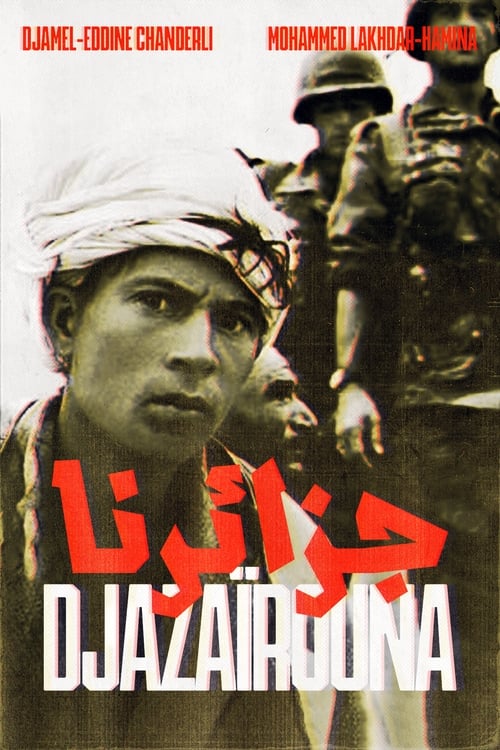
"Djazaïrouna", produced by the cinema service of the Provisional Government of the Algerian Republic (GPRA), is a montage film intended to inform the international community at the UN in 1959 on the objectives pursued by the Algerian resistance during the war of 'Algeria. Independence in Algeria (1954-1962). In 1959, Djamel-Eddine Chanderli and Mohammed Lakdar-Hamina produced Djazaïrouna (Our Algeria) from images taken by René Vautier and Doctor Pierre Chaulet. This film, completed a little later and will result in the film “The Voice of the People”. This documentary on the history of Algeria through a montage of current events, traces the political and military actions of the A.L.N, the demonstrations of December 1960, and the attack on a fortified French base on the border between Algeria and Tunisia.

At the end of their tour of duty in Afghanistan, two young military women, Aurore and Marine, are given three days of decompression leave with their unit at a five-star resort in Cyprus, among tourists. But it's not that easy to forget the war and leave the violence behind.

A sculptor who doesn't want to have any part of World War I is shamed by his girlfriend into joining the fight. He becomes a fighter pilot, and undergoes a complete personality change.
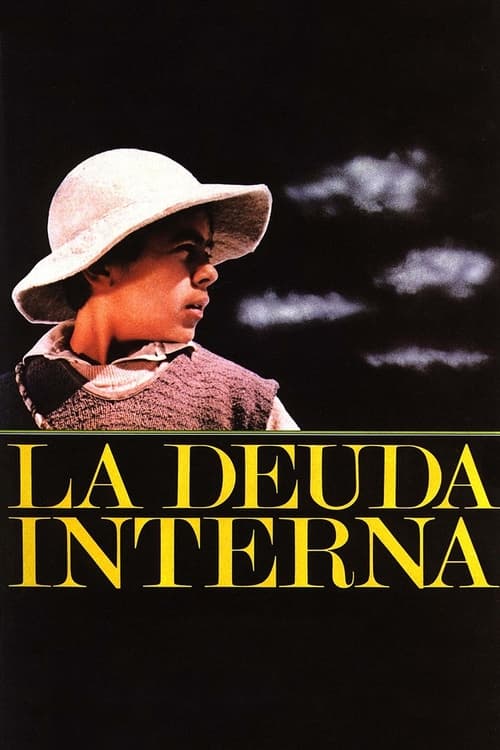
The drama tells the story of an Argentine elementary-school teacher sent by the government to a rural hamlet located in the northwestern province of Jujuy. It shows how he touches the lives of the villagers, especially the young and impressionable boy Verónico, whose mother died and father left to seek work when he was an infant. The film is based on a non-fiction book written by Fortunato Ramos, a rural teacher in northwest Argentina, that discusses his teaching experiences.
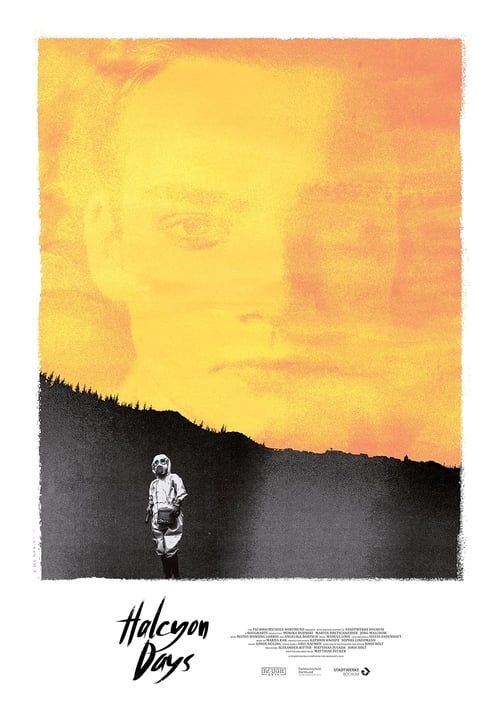
1985: The outbreak of nuclear war drives the inhabitants of a small town into a bunker. Among them is a married couple whose son is missing. Their different ways of dealing with loss reveal the apocalypse of a love affair.
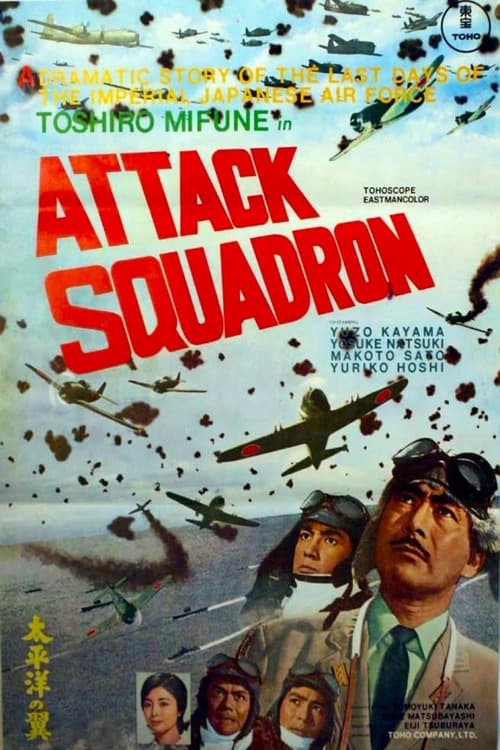
Lt. Col. Senda resists the idea of sending Japanese fighter pilots on suicide missions. He believes that what is really necessary for Japan to regain momentum in the war is for the air force to gather its most brilliant pilots into an elite squadron and use the unit to pinpoint attacks on the Americans. Disrespected by the kamikaze pilots who think the "non-suicidal" pilots are afraid, the unit redeems itself by stunning victories. But success leads the military leaders to expect too much of the unit, and new orders portend disaster.
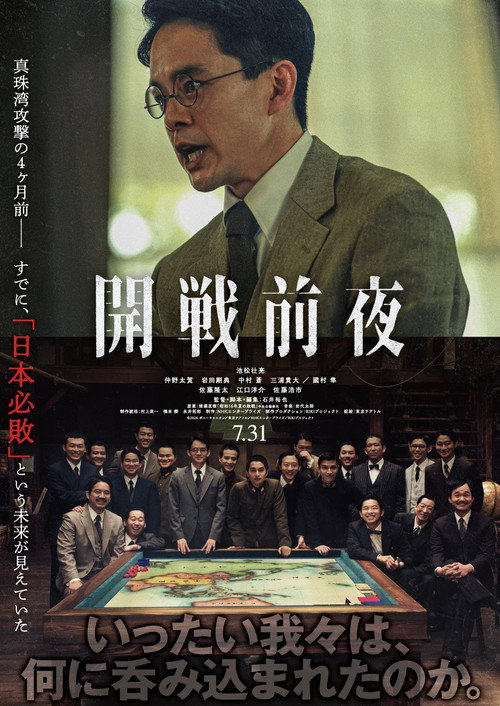
In April 1941, months before the Pacific War begins, Japan’s brightest young elites, bureaucrats, military officers, and civilians, are secretly assembled at the Total War Research Institute. Tasked with simulating a conflict against the United States, they confront harsh realities through intense analysis.
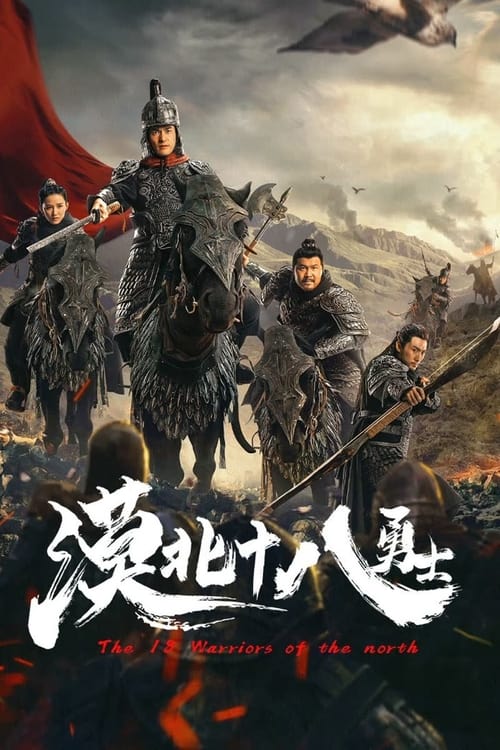

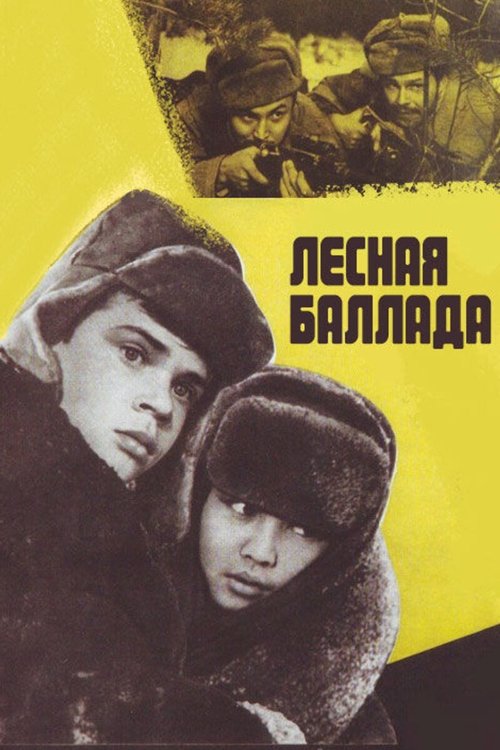
A film about Finland's forgotten soldiers, the long-range reconnaissance patrolmen, unfolding through one dangerous mission.
Three different love stories, set in three consecutive decades, in two neighbouring Balkan villages burdened with a long history of inter-ethnic hatred: this is a film about the dangers – and the enduring strength – of forbidden love.
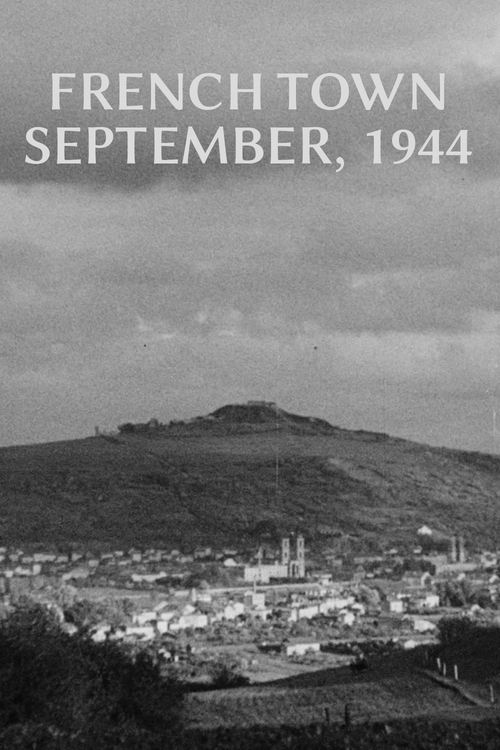
Portrait of a small French town following its liberation during World War II.

Six Māori Battalion soldiers camped in Italian ruins wait for night to fall. In the silence, the bros-in-arms distract themselves with jokes. A tohu (sign) brings them back to reality, and they gather to say a karakia before returning to the fray. Director Taika Waititi describes the soldiers as young men with "a special bond, strengthened by their character, their culture and each other.
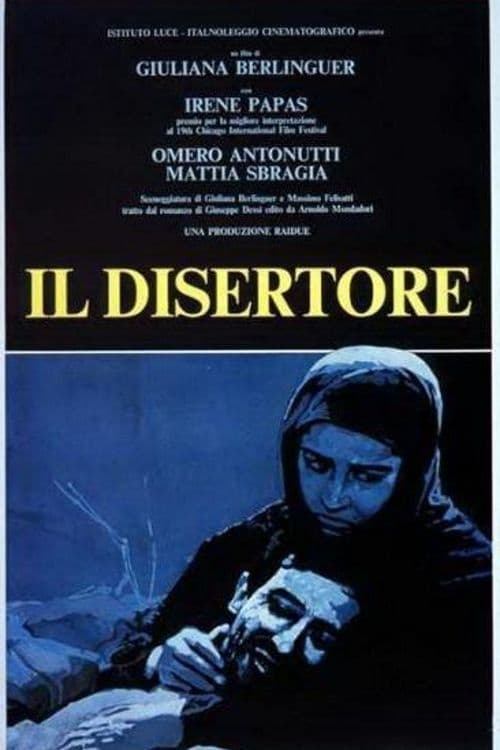
In this tragic story that has an unrealized potential to tug at the emotions, a woman in mourning for her two sons lost in World War I is the only one in her village determined to financially support a war memorial. The village poor have too little money, and the richer are tight-fisted. She has given a whole 15 years of savings -- yet the good priest, for whom she works as a maid, is not enthusiastic about her action because he is worried that the memorial will not remind the villagers of past horrors and suffering but disguise the human cost of war in rhetoric. As the memorial's advocates begin to sustain the day, flashbacks show how the woman's youngest son shot his captain, deserted the army, and came to die of fever while in his mother's care. The priest helped her as much as possible, yet he feels compelled to tell the authorities that her son was a deserter.
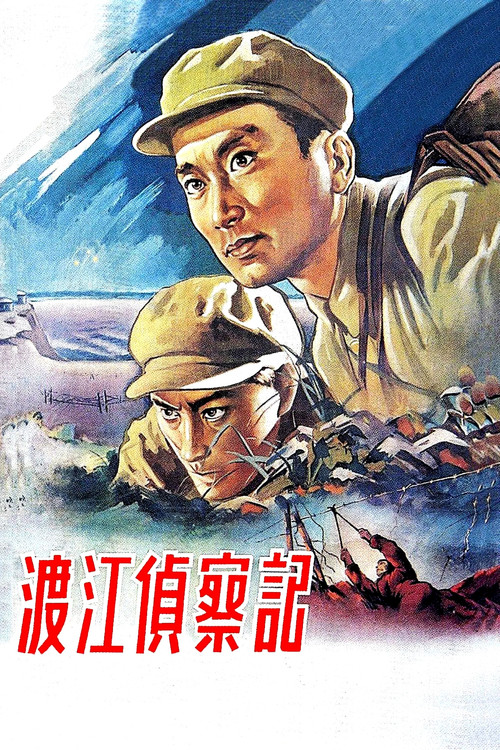
In the spring of 1949, a war is about to happen between the Liberation Army and Kuomintang Army on the Yangtze River. The Liberation Army dispatches a reconnaissance to scout the southern parts of the River, whose work is actually full of hardships and dangers. However, with the help of the local crowd and the guerrillas, finally, the members of the reconnaissance succeed in the commission and offer valuable information to the Liberation Army, making great contributions in the war.

When their hospital ship sinks in the South Pacific during WWII, military nurse Elizabeth Smythe and Marine Michael Dugan find themselves stranded — and soon enough, falling in love — on an idyllic tropical island. But when British pilot William Peck crash-lands on their cozy little atoll, Dugan suddenly discovers he has a rival in love.
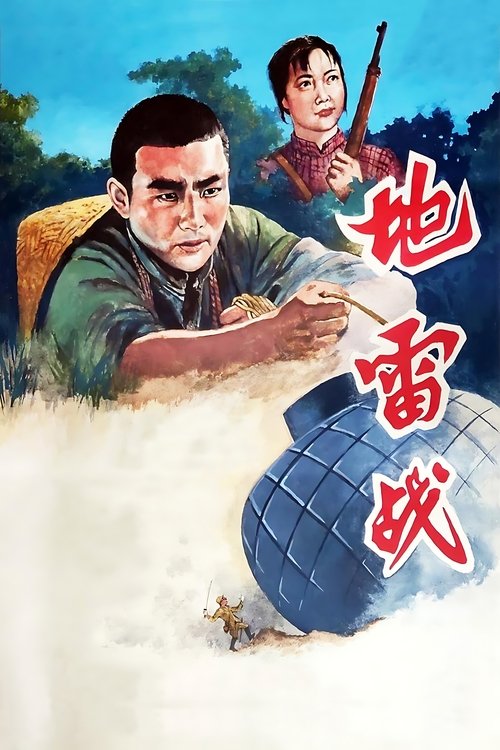
In the Japanese war, a village on the edge of Chinese-controlled territory faces constant attacks. The leaders and the people of the village and other nearby villages join together to form a militia and plant land-mines to halt the Japanese.
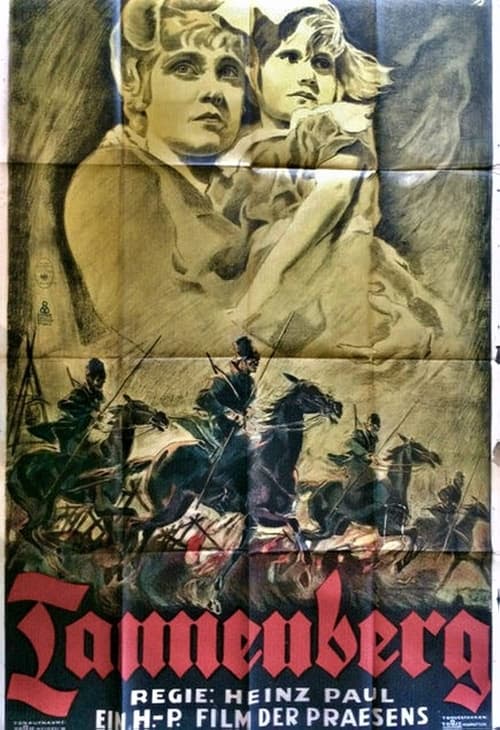
Shortly after the outbreak of World War I August 1914, Eastern Front. The Russian surprise attack on the northeasternmost part of the country causes serious problems for the German defenders.
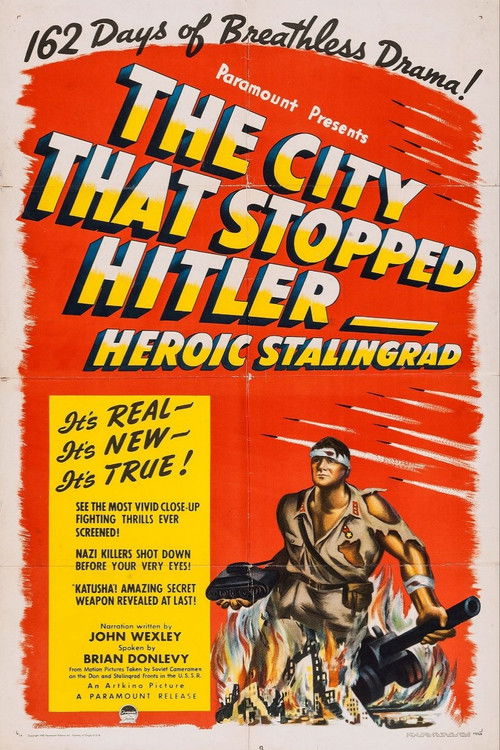
A Soviet documentary chronicling the Battle of Stalingrad, one of the turning points of World War II. Filmed on the front lines, it depicts the brutal devastation of the city, the resilience of its defenders, and the eventual Soviet counteroffensive that encircled and defeated the German 6th Army. Released internationally—with the U.S. version retitled The City That Stopped Hitler: Heroic Stalingrad—the film served both as a record of the Red Army’s victory and as a powerful work of wartime propaganda.
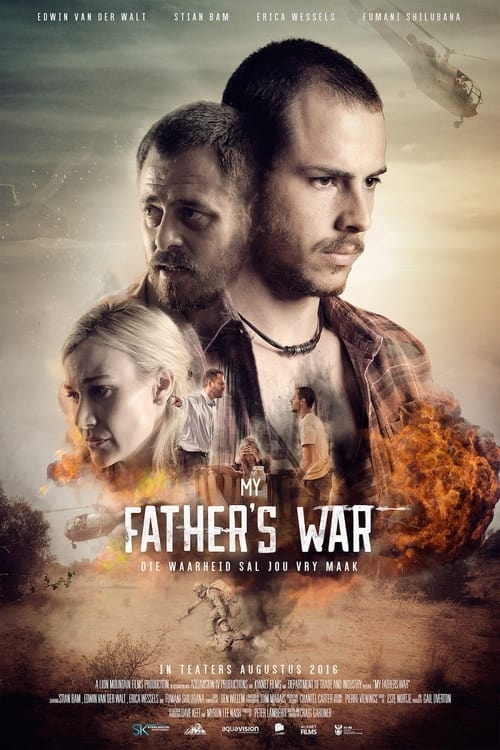
In this unique and riveting film, a troubled man has a series of dreams in which he finds himself thrown back to a time before his birth, into the Angolan Border War, as a combat soldier. There he meets his father as a young man, when he was a member of the Special Forces. As they go through combat together, the son gets to know his father in a way he never has, giving him insight and compassion, and he is able to let go of lifelong feelings of abandonment, resentment and anger. This leads to forgiveness and a real-life reconciliation, which drives home the underlying message of this film restoring the hearts of the fathers to the children and the hearts of the children to the fathers.