Protocol Archives • Browse all War titles in HD
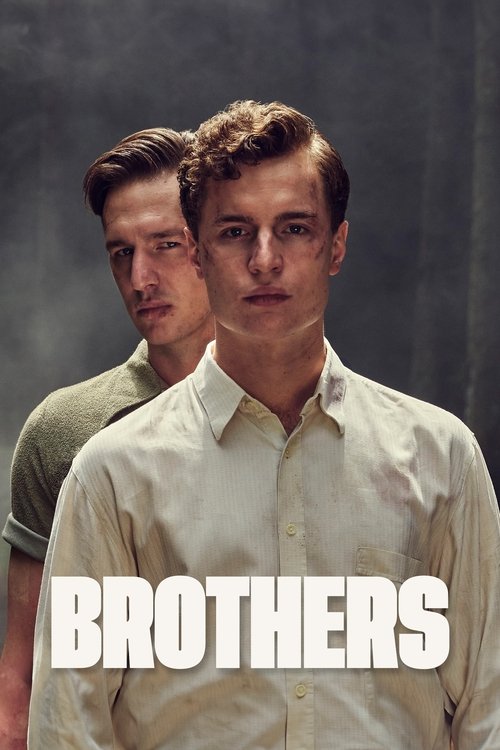
Based on the true story of brothers Josef and Ctirad Mašín who, in 1953, tried to escape communist Czechoslovakia to join the US army in West Berlin.
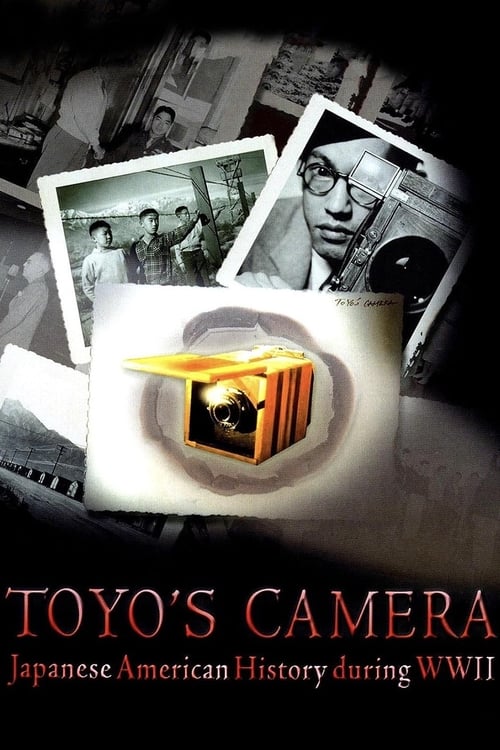
Even though bringing in cameras to the internment camps was prohibited, one man managed to smuggle in his own camera lens and build a camera to document life behind barbed wires, with the help of other craftsmen in the camp. That man was Toyo Miyatake, a successful issei (first generation immigrant) photographer and owner of a photo-shop in the Los Angeles Little Tokyo district, and of one of the many Americans who was interned with his family against his will. With his makeshift camera, Miyatake captured the dire conditions of life in the camps during World War II as well as the resilient spirit of his companions, many of whom were American citizens who went on to fight for their country overseas. Miyatake said, "It is my duty to record the facts, as a photographer, so that this kind of thing should never happen again."
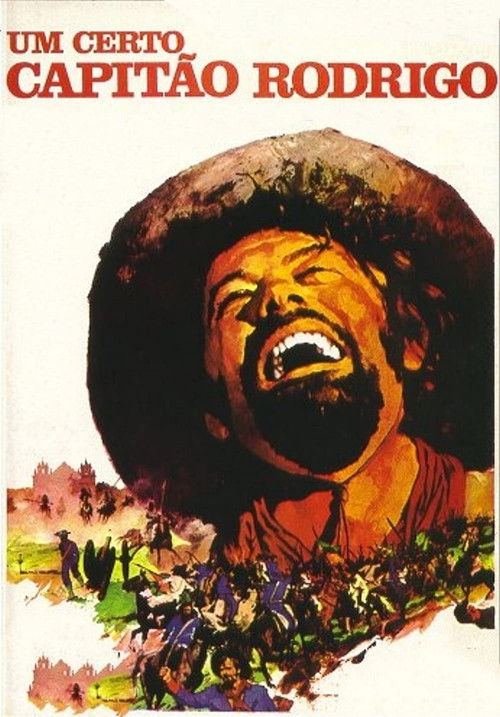
A knight, half soldier, half gaudério, dolphinfish hair in the sun, guitar on his back, enters the sleepy town of Santa Fe. Nobody could imagine that this man was also getting into their lives. Singing and drinking was winning the hearts of women and admiration of men. A storyteller of adventures, wars or lies? Based on the book by Erico Verissimo.

A pious old man, who is a proponent of suicide attackers, comes to Kabul to visit his only son, who, after the holy war had remained in the Soviet Union. He had enrolled his son in a religious school "to study the Koran and return to the village as a Mullah". In Kabul he learns that his son had decided to become a divine suicide bomber so as to go to Heaven. The film presents two different forces of the inner world of the protagonist father: paternal feelings and the holy religious ideology. The spectator witnesses how he loses his only son and holy belief. Shot in chaotic and dirty Kabul, the film portrays the incorrect interpretation of religion and the conflict of generations.
An Army cameraman is embedded with a reconnaissance patrol and charts their mission across territory controlled by the North Vietnamese.
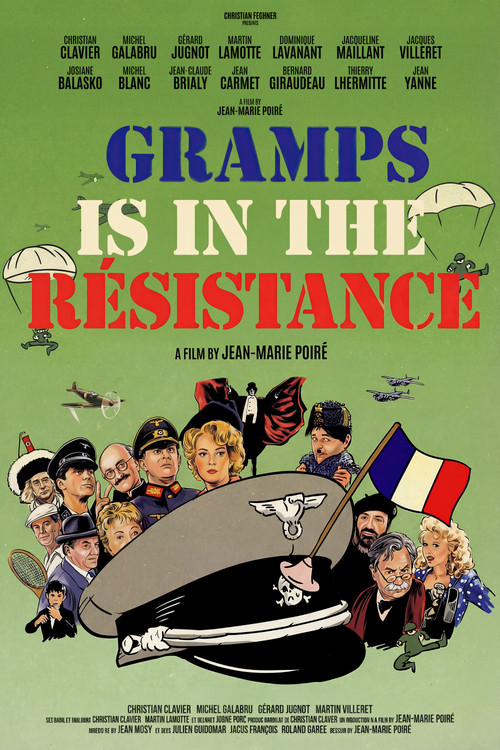
It is 1943 in Paris. Like so many others, the Bourbelle family's home has been taken over by the Germans and they now live in their cellar. Little do they know that the son, Guy-Hubert Bourdelle, is far from being the cowardly hairdresser he pretends. He is in truth the Germans’ most feared opponent: le super-résistant!
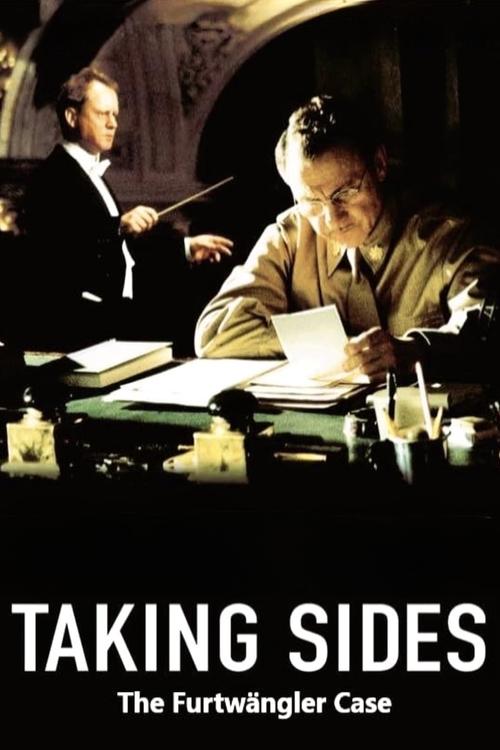
One of the most spectacular and renowned conductors of the 1930s, Wilhelm Furtwangler's reputation rivaled that of Toscanini's. After the war, he was investigated as part of the Allies' de-Nazification programme. In the bombed-out Berlin of the immediate post-war period, the Allies slowly bring law and order to bear on an occupied Germany. An American major is given the Furtwangler file, and is told to find everything he can and to prosecute the man ruthlessly. Tough and hard-nosed, Major Steve Arnold sets out to investigate a world of which he knows nothing.
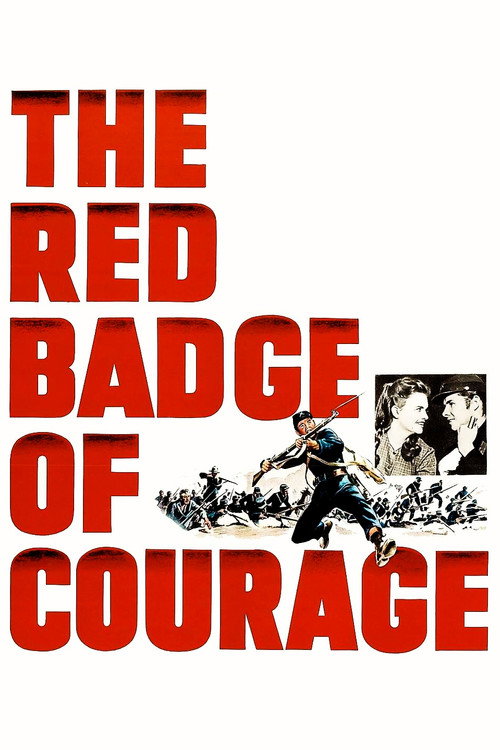
Henry Fleming is a young Union soldier in the American Civil War. During his unit's first engagement, Henry flees the battlefield in fear. When he learns that the Union actually won the battle, shame over his cowardice leads him to lie to his friend Tom and the other soldiers, saying that he had been injured in battle. However, when he learns that his unit will be leading a charge against the enemy, Henry takes the opportunity to face his fears and redeem himself.
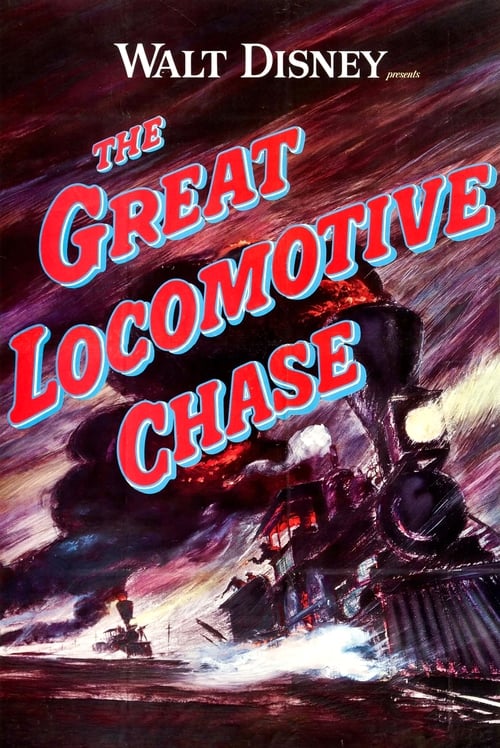
During the Civil War, a Union spy, Andrews, is asked to lead a band of Union soldiers into the South so that they could destroy the railway system. However, things don't go as planned when the conductor of the train that they stole is on to them and is doing everything he can to stop them. Based on a true story.
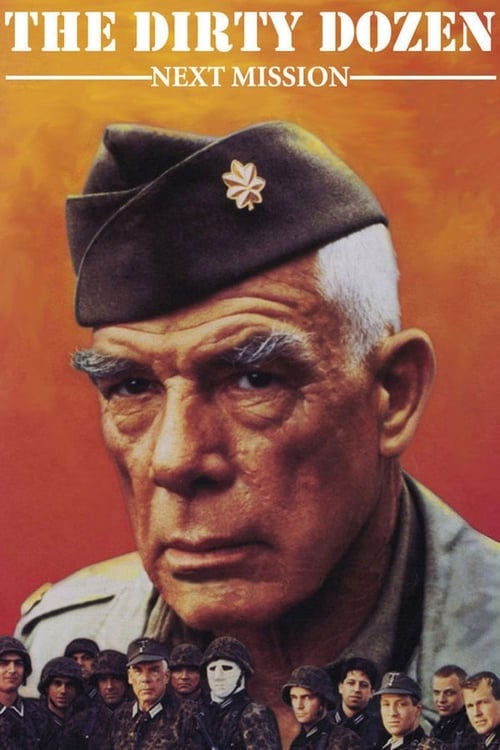
Major Reisman is "volunteered" to lead another mission using convicted army soldiers, sentenced to either death or long prison terms. This time their mission is to kill a Nazi general who plans to assassinate Hitler.
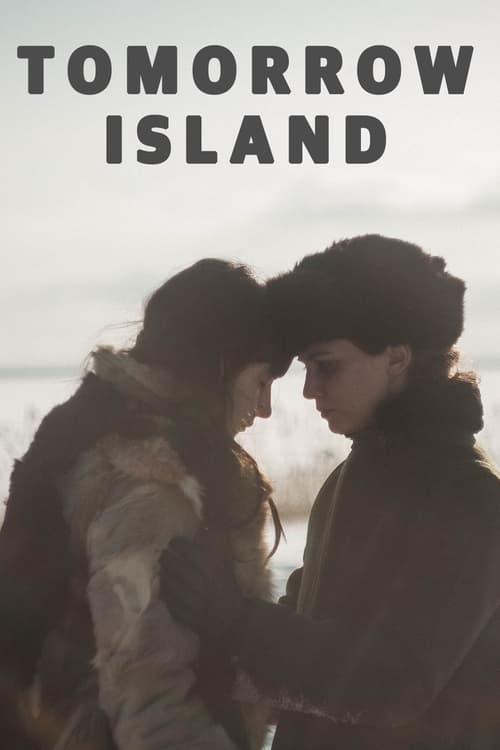
In the dawn of the Cold War, a young Soviet telegraphist makes a desperate attempt to save her American lover from being stranded in the Russian side of the Bering Strait after receiving a border closure message.
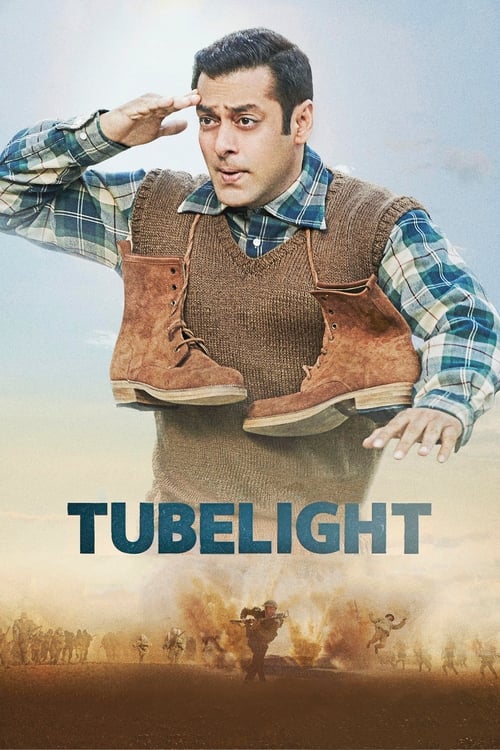
Laxman Singh Bisht is nicknamed tube light by his neighbours because he is feeble-minded. Despite being special, Laxman lives by one life-lesson; keep your faith alive and you can do almost anything, even stop a war.
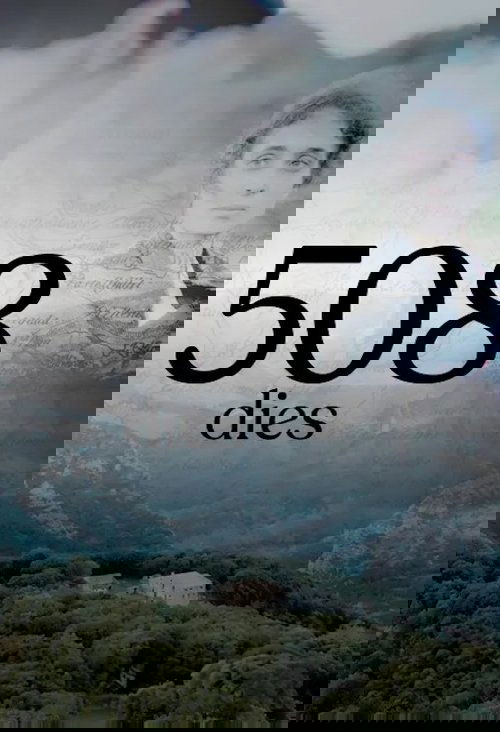

Uncle Zvane is assigned by the underground People's Committee of a village to deliver a number of oxes to the Partisans in the Gorski Kotar Mountains. The story tells how the old man overcomes the difficulties, and succeeds.
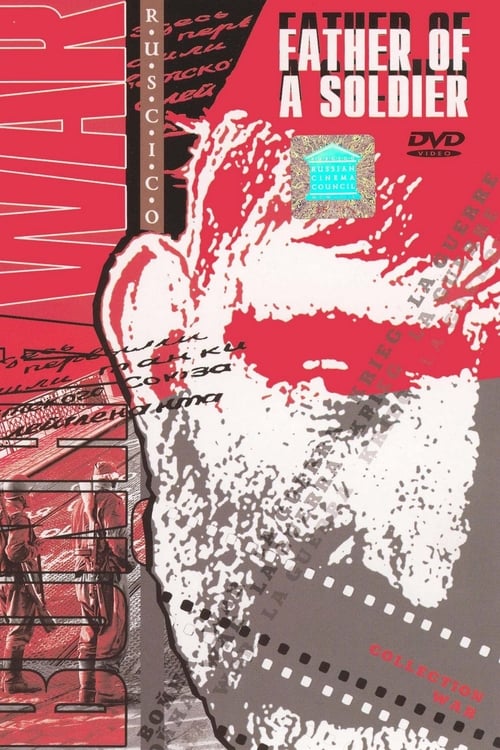
When peasant Georgy Makharashvili hears that his soldier son is lying wounded in a hospital, he sets out to visit him. However, unknown to him, his son has been sent back to the front. Reluctant to return home and in a vain attempt to locate his boy, Georgy joins the Red Army in it's unrelenting push to the west.
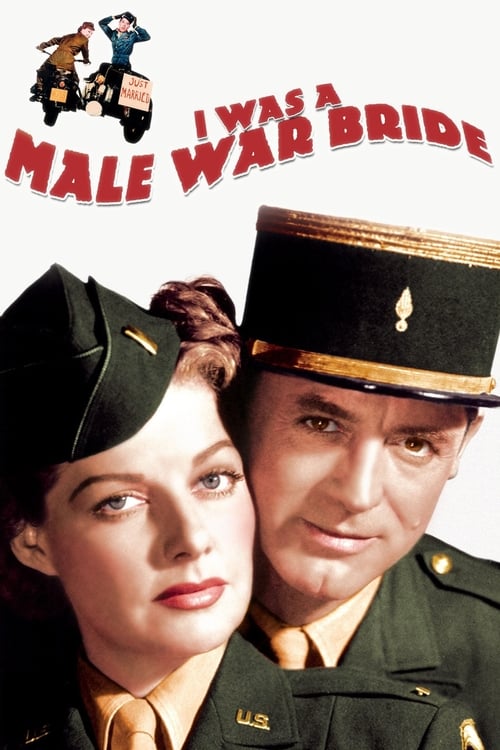
After marrying an American lieutenant with whom he was assigned to work in post-war Germany, a French captain attempts to find a way to accompany her back to the States under the terms of the War Bride Act.
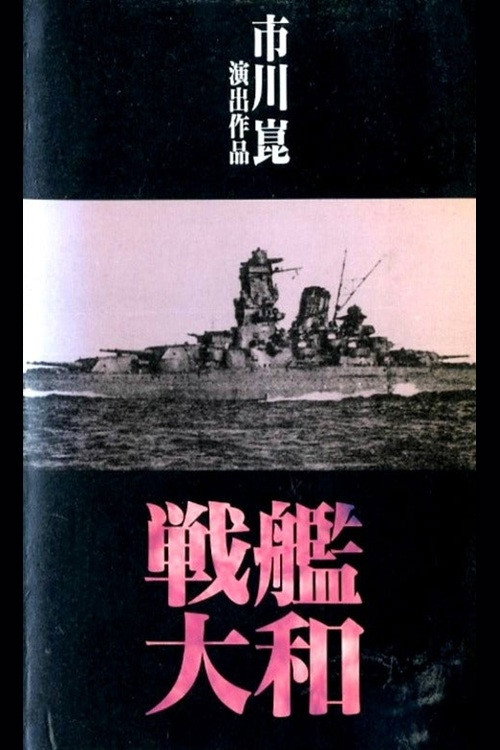
Kon Ichikawa's war film depicts the 60-hour period from the departure of the battleship Yamato, the pride of the Japanese Navy, until its sinking by the American forces during Operation Ten-Go.
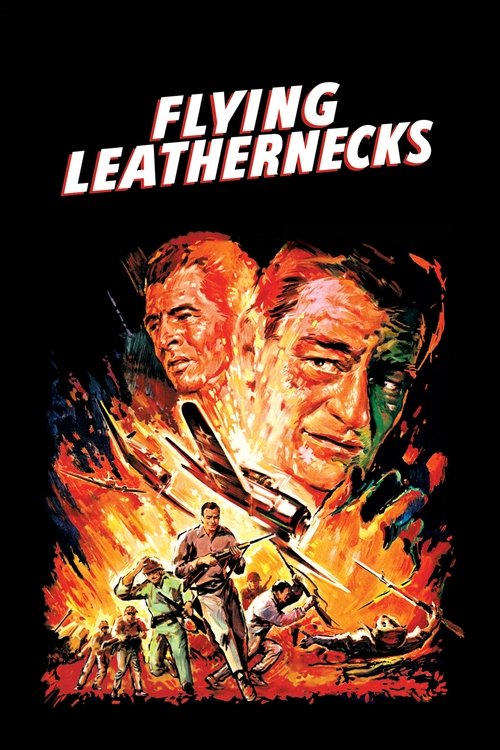
Major Daniel Kirby takes command of a squadron of Marine fliers just before they are about to go into combat. While the men are well meaning, he finds them undisciplined and prone to always finding excuses to do what is easy rather than what is necessary. The root of the problem is the second in command, Capt. Carl 'Griff' Griffin. Griff is the best flier in the group but Kirby finds him a poor commander who is not prepared to make the difficult decision that all commanders have to make - to put men in harm's way knowing that they may be killed.
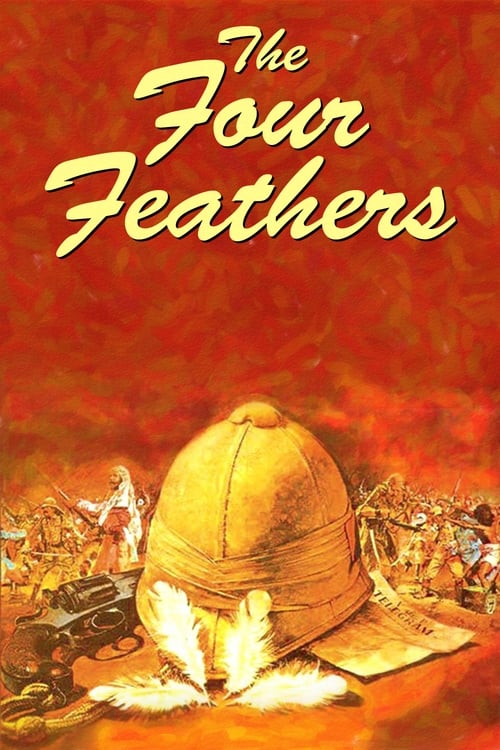
The fifth filming of the adventure classic about a British soldier in the 1880s who fights to regain his honor after being given four white feathers, symbols of cowardice.